History Facts

Trending Now

The Galápagos Bird With a Taste for Blood

The Galápagos Bird With a Taste for Blood

On a remote island, a tiny songbird has picked up a habit that sounds like pure fiction.

Read more
The Squirrel Brain Stat That Gets Repeated Everywhere

The Squirrel Brain Stat That Gets Repeated Everywhere

A popular claim says squirrel brains swell every fall. The real story has a few twists.

Read more
The First Skeletons in the State Dining Room

The First Skeletons in the State Dining Room

For over 180 years, the White House skipped Halloween. Then one First Lady hosted a lunch.

Read more
The Silent Dinner Party That Was Really a Spell

The Silent Dinner Party That Was Really a Spell

A hushed Halloween supper with open doors and empty chairs had a purpose that wasn't mourning.

Read more
How Halloween Costumes Got Sexy in the 1970s

How Halloween Costumes Got Sexy in the 1970s

One decade flipped Halloween from scary monsters to something else entirely.

Read more
See All Content
logo
  • Sports

  • History

  • Language

  • Food

  • Tech

  • Animals

  • Sports
  • History
  • Language
  • Food
  • Tech
  • Animals
  • ​

What Nobody Told You About Roman Gladiators

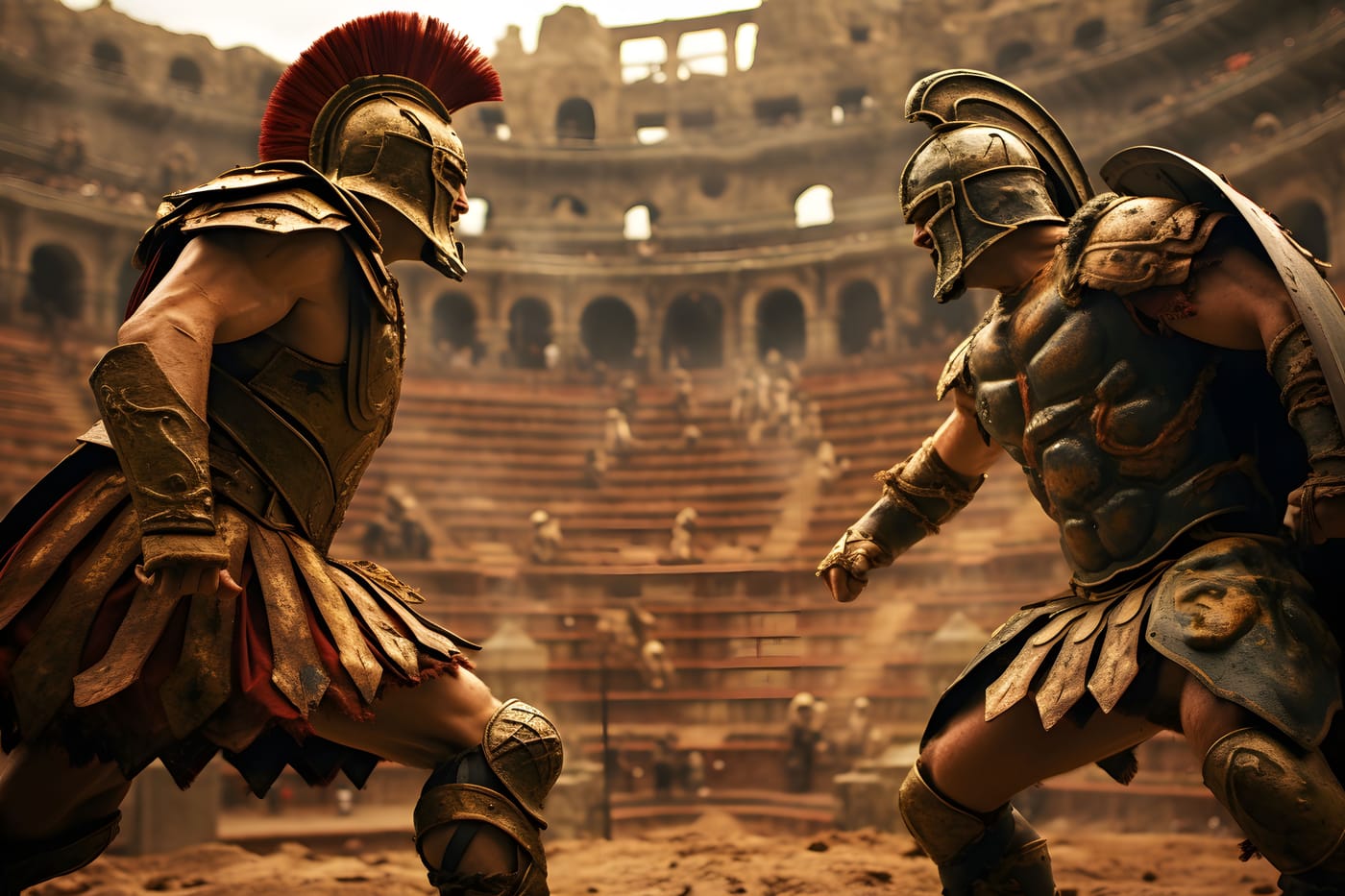
Roman gladiators in the arena

The image most people have of Roman gladiators is vivid and brutal: desperate slaves hacking each other apart in a sand-covered arena while crowds screamed for blood. Almost every part of that picture is wrong.

Gladiators were among the most expensive assets in the Roman economy. Training a single fighter from scratch took years and cost enormous sums. Killing one off carelessly was like setting a racehorse on fire — it was bad business. Arena owners, called editors, had every financial incentive to keep their gladiators alive and in peak condition.

Gladiatorial schools, known as ludi, operated more like modern athletic training facilities than prisons. Fighters received three meals a day, dedicated medical staff, and supervised recovery time between bouts. Archaeological evidence from a gladiator cemetery in Ephesus revealed that many fighters received sophisticated surgical treatment for their wounds — care that was frankly better than what most Roman civilians could access.

Their diet was specifically engineered for performance. Isotope analysis of gladiator bones shows they ate a diet heavily loaded with barley, legumes, and ash supplements — a regimen designed to pack on protective body fat and build endurance. Roman writers mockingly called them hordearii, or "barley men." The gladiators apparently didn't care.

Many gladiators weren't slaves at all. A significant portion were free volunteers who signed contracts in exchange for regular meals, housing, medical care, and a salary. For men with no other options in Roman society, the arena was a legitimate career path — dangerous, yes, but so was being a soldier, a sailor, or a construction worker building the Colosseum itself.

The celebrity culture around successful gladiators was real and intense. Graffiti found on the walls of Pompeii reads like modern fan posts — praising specific fighters by name, rating their performances, declaring love for them. Gladiators' faces appeared on oil lamps, pottery, and children's toys. A particularly successful fighter could become genuinely famous across the Roman world.

Fights to the death were also far less common than popular culture suggests. Most bouts ended when one fighter yielded or became too injured to continue — not when someone died. Death was actually the exception, not the rule, particularly for experienced fighters whose value was too high to waste on a single afternoon's entertainment.

When a gladiator did lose and appealed for mercy, the decision rested with the crowd and the editor — but mercy was granted surprisingly often. Killing a skilled, well-known fighter was considered poor showmanship. Crowds sometimes booed when a popular fighter was executed rather than spared.

None of this makes the arena humane by modern standards. People did die, sometimes horribly, for public entertainment. But the reality was a highly commercialized, carefully managed athletic spectacle — closer in spirit to professional wrestling or boxing than to a slaughterhouse. The Romans who ran it weren't sadists. They were businessmen who understood exactly what their product was worth.

Related Content

History Facts

23 October 2026

Post

The First Skeletons in the State Dining Room

For over 180 years, the White House skipped Halloween. Then one First Lady hosted a lunch....

History Facts

21 October 2026

Post

The Silent Dinner Party That Was Really a Spell

A hushed Halloween supper with open doors and empty chairs had a purpose that wasn't mourning....

History Facts

20 October 2026

Post

How Halloween Costumes Got Sexy in the 1970s

One decade flipped Halloween from scary monsters to something else entirely....

History Facts

20 October 2026

Post

The Oak Tree That Grew Around a Medieval Body

A storm toppled a tree in Ireland and pulled up something nobody expected from the roots....

History Facts

20 October 2026

Post

Burning Black Cats: The Grim Halloween Tradition

One of these black cat burning claims is true, one is totally made up. Find out which dark Halloween tradition really happened....

History Facts

19 October 2026

Post

The Executioner Who Moonlighted as a Healer

Europe's most feared men had a surprising second job that patients lined up for....

History Facts

19 October 2026

Post

The Mirror Game That Set Victorian Women Ablaze

A flirty Halloween tradition had a dangerous side effect nobody warned young women about....

History Facts

19 October 2026

Post

Nut Crack Night: Halloween's Weird Couples Test

One of these old Halloween love-test claims is true, the other is made up. Find out which strange nutty ritual really happened....

History Facts

18 October 2026

Post

Witches' Flying Ointment: The Trippy Truth

One of these medieval witch-ointment claims is true, the other totally made up. Find out which wild flying story really happened....

History Facts

18 October 2026

Post

The Spy Ink MI6 Quietly Abandoned in WWI

One wartime spy tool worked almost too well, until agents raised a very personal complaint....

History Facts

17 October 2026

Post

New England's Teenage Vampire Panic of 1892

A dying brother, a dug-up grave, and a ritual that still unsettles Rhode Island today....

History Facts

16 October 2026

Post

The Jack-o'-Lantern's Original Vegetable Was Not a Pumpkin

Halloween's glowing face used to be carved into something far less cooperative....

History Facts

16 October 2026

Post

The Fear That Has an Entire Holiday's Name Attached

One clinical phobia is named after a pagan festival most people have never even studied....

History Facts

16 October 2026

Post

The 1952 London Fog So Thick It Stopped Everything

One of these claims about London's deadly 1952 smog is true, the other totally made up. Find out which eerie detail really happened....

History Facts

14 October 2026

Post

The Ointment Behind the Flying Witch Legend

Witches on broomsticks weren't just a fairy tale image. There's a real, strange reason it stuck....
Terms and ConditionsDo Not Sell or Share My Personal InformationPrivacy PolicyPrivacy NoticeAccessibility NoticeUnsubscribe
Copyright © 2026 Fun Fact Feed