![[#~image_alt_1~#]](/_next/image?url=https%3A%2F%2Fd3klpa3rfwubzz.cloudfront.net%2Fmedia%2FAPI%20Uploads%2FFTF%2Fab36e1dabda9ab1f55318cc342055185_929135442b.jpg&w=1920&q=75)
Claim A says witches rubbed ointment on their eyelids to see spirits. Claim B says witches applied flying ointment to vascular body areas. Claim B is true, and Claim A is completely made up.
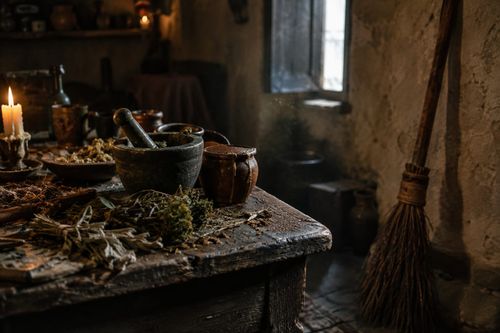
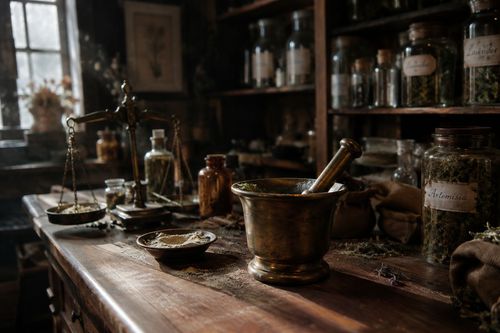
The real story behind the broomstick legend is stranger than any fairy tale. In the Middle Ages, women accused of witchcraft were said to brew "flying ointments" from toxic, hallucinogenic plants like deadly nightshade, henbane, and mandrake.
These plants contain powerful tropane alkaloids that are dangerous if swallowed, so instead the paste was applied to the skin — specifically to highly vascular areas where it could absorb quickly into the bloodstream without triggering a fatal dose.
To apply the ointment to those sensitive areas, accounts describe women using a wooden staff or broom handle as an applicator, straddling it in the process.
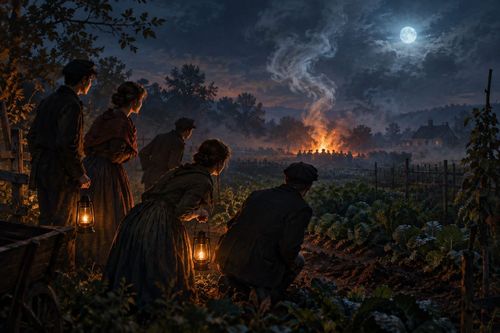
The resulting hallucinations reportedly included vivid sensations of soaring through the air, flying over fields, and attending wild nighttime gatherings — a trip so convincing that confessions of literal flight followed.
That's very likely where the enduring image of witches on broomsticks actually comes from — not pure folklore, but a garbled memory of a genuinely wild hallucinogenic ritual.
The eyelid version never happened — there's no historical record of witches dabbing ointment near their eyes to "see spirits." The real application method targeted the skin elsewhere on the body, not the face.
Would you have guessed the broomstick had a psychedelic backstory, or did this one catch you off guard?