![[#~image_alt_1~#]](/_next/image?url=https%3A%2F%2Fd3klpa3rfwubzz.cloudfront.net%2Fmedia%2FAPI%20Uploads%2FFTF%2F4bec4bb8499d62e2e25f46ab14bfd526_5161235ab2.jpg&w=1920&q=75)
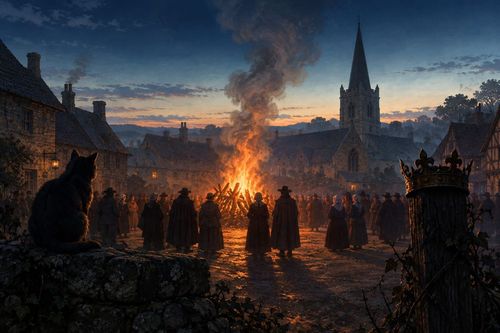
The image of a witch soaring across a moonlit sky on a broomstick feels like pure fantasy, something cooked up for storybooks and Halloween decorations. But historians tracing the legend back to 13th-century Europe found something far odder sitting at its roots. The myth wasn't invented from nothing. It came from an actual practice that was happening in secret.
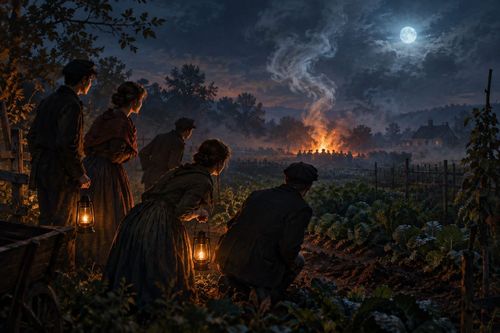
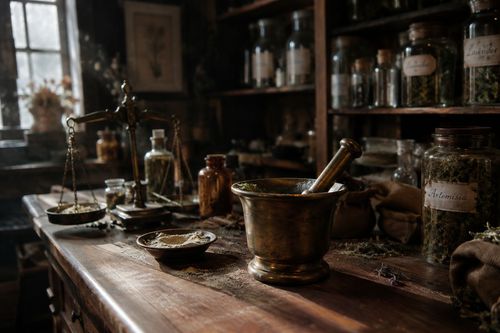
In parts of medieval and early modern Europe, some women worked as healers and herbalists, experimenting with plants that had powerful effects on the body and mind. Certain botanicals in their collections, like henbane, belladonna, and mandrake, contained potent hallucinogenic alkaloids. These plants were dangerous to ingest directly, since swallowing them could easily kill a person through the stomach and liver.
To get the psychoactive effects without the deadly digestive risk, these women reportedly mixed the plants into a greasy ointment. The fat-based paste made the compounds easier to apply and absorb through skin rather than through the gut. This workaround let people access the hallucinogenic effects while sidestepping some of the plants' most lethal properties.
Here's where the story gets uncomfortable and strange at once. Some records suggest the ointment was applied using the handle of a household broomstick, pressed against the thin, blood-vessel-rich tissue of the vaginal walls. This method allowed for unusually fast absorption directly into the bloodstream, bypassing the slower route through skin on the arms or legs.
The resulting hallucinations were reportedly intense and immersive, often described as vivid sensations of leaving the body entirely. Many who used the ointment reported the distinct feeling of floating, soaring, or flying through the air, a side effect consistent with how these plant compounds interact with the nervous system.
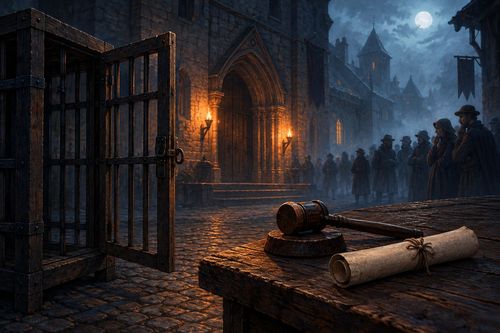
When accusers, inquisitors, and witch hunters later heard confessions describing nighttime flights on broomsticks, they weren't hearing pure invention. They were hearing garbled, terrified accounts of a very real hallucinogenic ritual, filtered through fear, torture, and a culture eager to label unexplainable things as witchcraft.
Centuries later, the broomstick survived as the iconic prop of witchcraft in art, literature, and pop culture, completely stripped of its original, far stranger context. What started as an herbalist's delivery method for a psychoactive drug became a harmless Halloween costume accessory, with almost nobody aware of the biological reality hiding behind the broom.