![[#~image_alt_1~#]](/_next/image?url=https%3A%2F%2Fd3klpa3rfwubzz.cloudfront.net%2Fmedia%2FAPI%20Uploads%2FFTF%2Fe115d24af214391190268518abd4a462_d94aa8bf8b.jpg&w=1920&q=75)
Claim A says firefighters led blindfolded horses through the fog to find victims. Claim B says movie theaters canceled films because viewers couldn't see the screen. Claim B is true, and Claim A is completely made up.
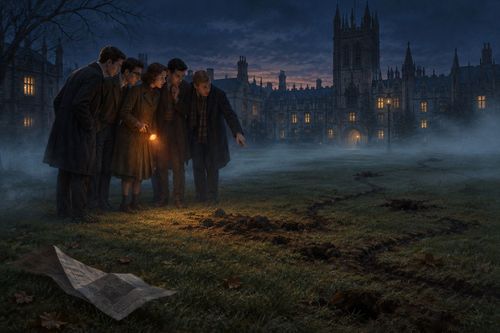
In December 1952, London's air turned into something closer to soup than atmosphere. A windless cold snap trapped coal smoke, factory soot, and sulfur dioxide close to the ground, and the resulting sulfuric acid haze was so dense that visibility in some areas dropped to just a few feet.
The smog didn't politely stay outside. It crept through doorframes, window gaps, and ventilation systems, filling indoor spaces with the same acrid yellow haze choking the streets. Cinemas across the city found themselves in an absurd predicament: paying audiences physically could not see the movie screen through the drifting indoor haze.
Several theaters had no choice but to halt screenings mid-showing, refunding ticket holders who'd shown up expecting an evening of entertainment and instead got a lungful of industrial pollution. Buses required conductors to walk ahead with lanterns just to guide drivers along routes they'd driven for years.
The event, now known as the Great Smog of London, is estimated to have caused over 12,000 deaths, many from respiratory failure, and it eventually pushed Parliament to pass the Clean Air Act of 1956.
There's no historical record of firefighters blindfolding horses to navigate the smog. Rescue workers did struggle with near-zero visibility, but the methods involved lanterns, flares, and people walking alongside vehicles — not blindfolded animals leading the charge.
Would you have guessed the movie theater detail was the real one? Share this with someone who swears they'd have spotted the fake claim instantly.