![[#~image_alt_1~#]](/_next/image?url=https%3A%2F%2Fd3klpa3rfwubzz.cloudfront.net%2Fmedia%2FAPI%20Uploads%2FFTF%2F9c6c16f1ba1338118bc4c68ce98184f0_ae8ad219c4.jpg&w=1920&q=75)
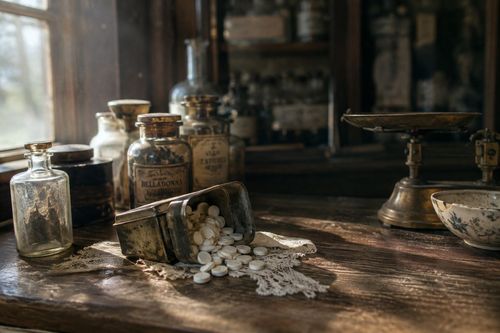
By the 12th century, European apothecaries had added a new remedy to their shelves, one sold alongside herbs and tinctures for everyday ailments. It wasn't made from plants or minerals at all. It came from something far more unsettling, shipped in from distant deserts.
The remedy was called "mumia," a powder ground from embalmed Egyptian mummies. Pharmacists stocked it the way they'd stock any other medicinal ingredient, scooping it into tinctures and poultices without a second thought.
Patients swallowed it for headaches, bruising, stomach ulcers, and even epilepsy. Doctors believed the preserved remains carried some kind of vital life force, one that could transfer its healing power into the living body that consumed it.
The idea traced back to a translation error involving bitumen, a tar-like substance the Egyptians supposedly used in embalming. European scholars conflated the word for bitumen with the mummies themselves, and the confusion stuck for centuries.
Demand grew so high that an entire trade network formed to supply it, with merchants importing mummified remains from Egypt by the shipload. Some unscrupulous sellers even used fresher corpses when real mummies ran short, passing them off as ancient.
Royalty and commoners alike took the powder, including figures like King Francis I of France, who reportedly carried a mixture of mumia and rhubarb for protection. It stayed in European pharmacopoeias well into the 1600s and 1700s.
By the 18th century, physicians began questioning whether eating ground-up corpses actually cured anything. The practice faded out slowly, leaving behind one of history's strangest footnotes in the story of medicine.