![[#~image_alt_1~#]](/_next/image?url=https%3A%2F%2Fd3klpa3rfwubzz.cloudfront.net%2Fmedia%2FAPI%20Uploads%2FFTF%2F8730b9f5e92c7ac9696595311ef019d8_7a04071e72.jpg&w=1920&q=75)
Ancient Romans cared a lot about appearance, and a bright smile was part of that social currency. Wealthy citizens experimented with all kinds of homemade dental remedies long before modern dentistry existed. Some of these recipes have survived in old medical texts, and a few are hard to believe were ever used on purpose.
Among the stranger recommendations found in Roman writings was a paste made partly from crushed mouse brains. Physicians at the time genuinely believed rubbing this mixture on teeth and gums could prevent decay and freshen breath. It sounds like folklore, but the recipe shows up in surviving medical and household texts from the era.
The logic behind it wasn't random superstition either. Romans often believed that animal parts carried properties that could transfer to the person using them. A small, delicate rodent brain was thought to be gentle enough for sensitive gum tissue, at least according to the thinking of the time.
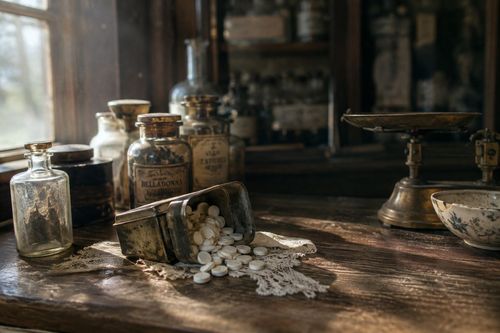
Mouse brain paste wasn't used alone. It was sometimes combined with other ingredients Romans trusted for oral care, including crushed eggshells, charcoal, and various plant extracts. Some recipes even called for whole mice to be burned and ground into powder before being mixed with honey.
This wasn't a fringe practice limited to the poor or desperate. Roman medical writers who documented these remedies were respected figures whose texts were copied and referenced for generations. Their instructions traveled across the empire and shaped dental habits far beyond where the recipes originated.
Modern dentists obviously don't recommend anything close to this today, and there's no scientific backing that mouse brain tissue does anything beneficial for teeth. Yet Romans used it for centuries, right alongside other unusual ingredients that make their approach to hygiene look almost experimental by comparison.
It's a reminder that ancient confidence in a remedy didn't require any proof it actually worked. People trusted tradition, texture, and smell as signs of effectiveness, long before anyone understood bacteria or enamel. Rome's smile secret turned out to be far weirder than anyone studying toothpaste history expected.