![[#~image_alt_1~#]](/_next/image?url=https%3A%2F%2Fd3klpa3rfwubzz.cloudfront.net%2Fmedia%2FAPI%20Uploads%2FFTF%2F87e2976143dddae762d6a48d62cfafb0_60792f6e96.jpg&w=1920&q=75)
Claim A says teens buried cabbage stalks to predict a neighbor's death that year. Claim B says teens burned cabbage roots to see their future spouse's face in the smoke. Claim B is true, and Claim A is completely made up.
Long before Halloween meant candy and costumes, the night before it had its own strange identity: Cabbage Night. In 19th-century America and Scotland, this was a night of mischief and homemade fortune-telling, rooted in old harvest-season superstitions about love and marriage.
The ritual itself was oddly specific. Teenagers would sneak into neighbors' gardens and yank up cabbage stalks by the root, inspecting the shape of the dirt clinging to them for clues about a future spouse's appearance or personality.
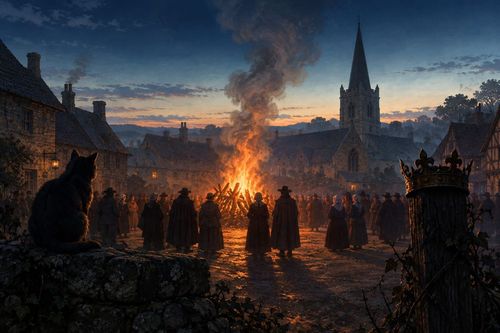
But the real spectacle came after. Groups would toss the uprooted stalks into bonfires and watch how the smoke curled and drifted, convinced the patterns could reveal the literal face of their future husband or wife.
It wasn't all romance, though — plenty of the stalks also got hurled at front doors just for the noisy thrill of scaring whoever answered. The holiday eventually faded, folded into the broader chaos of modern Halloween pranks.
The death-prediction version simply never existed — there's no historical record of cabbage burials being used to foretell someone's passing. The actual folklore was always tied to love and marriage, not mortality.
So — did you guess right, or did Cabbage Night's real history catch you off guard?