![[#~image_alt_1~#]](/_next/image?url=https%3A%2F%2Fd3klpa3rfwubzz.cloudfront.net%2Fmedia%2FAPI%20Uploads%2FFTF%2Fbed07c53d93ce2089bedcbe1ab959a56_716e500e78.jpg&w=1920&q=75)
Every October, millions of people carve pumpkins into grinning faces without knowing the tradition started with an entirely different vegetable. The story begins not in America but in Ireland, centuries before plastic decorations existed. It centers on a folk tale about a man so famously untrustworthy that even the Devil regretted dealing with him.
According to Irish legend, a conniving man named Stingy Jack tricked the Devil not once but twice, trapping him and demanding he never claim Jack's soul. When Jack eventually died, heaven wouldn't take him and the Devil, bound by his promise, wouldn't either. He was cast into the dark with nothing but a single burning coal to light his way.
To carry that ember, Jack supposedly hollowed out a turnip and dropped the coal inside, creating a crude, flickering lantern. Locals began calling his wandering spirit Jack of the Lantern, which eventually shortened into the name we still use today.
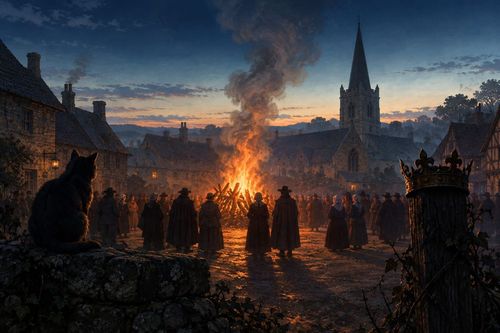
Irish families took the story literally enough to start carving their own lanterns every autumn. They used turnips, beets, and potatoes, carving menacing faces into the vegetables and setting them in windows or near doorways. The goal wasn't decoration. People genuinely believed the glowing faces would scare off Jack's wandering spirit and other roaming ghosts.
Turnips, though, are notoriously dense and difficult to hollow out safely. Carving a face into one took real effort and more than a few bruised knuckles, yet the superstition was strong enough that generations kept doing it anyway every Halloween season.
Everything changed when Irish immigrants fleeing famine arrived in North America during the 1800s. They found a landscape full of pumpkins, a crop barely used back home, and quickly realized pumpkins were far softer and easier to carve than any root vegetable they'd struggled with before.
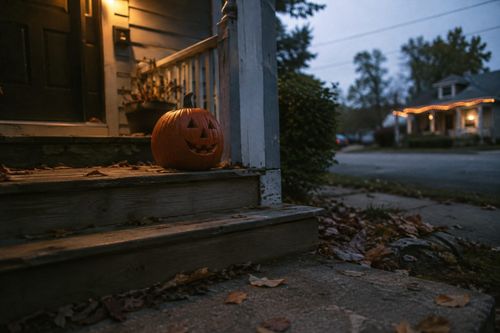
The swap stuck almost immediately, and pumpkins became the default canvas for Halloween lanterns across America. The original turnip tradition faded so thoroughly that most people today have no idea the whole practice once revolved around a far less cooperative vegetable.