![[#~image_alt_1~#]](/_next/image?url=https%3A%2F%2Fd3klpa3rfwubzz.cloudfront.net%2Fmedia%2FAPI%20Uploads%2FFTF%2F2e986daff597a3e73dd5a76853a0007c_edc98fc332.jpg&w=1920&q=75)
Every October, millions of people decorate their porches with skeletons and pumpkins without a second thought. But for a small group of people, the entire month triggers something closer to panic than fun. Doctors actually have a name for this condition, and it traces back centuries before trick-or-treating existed.
The condition is called Samhainophobia, and it's recognized as a legitimate clinical phobia by mental health professionals. It describes an intense, irrational fear of Halloween itself, not just one part of it like spiders or clowns.
People with Samhainophobia can experience racing hearts, sweating, and genuine dread at the mere sight of a costume or jack-o'-lantern. For some, even seeing Halloween decorations in a store aisle in September is enough to set off symptoms weeks early.
The fear isn't just about costumes or candy. It often extends to the darker undertones of the holiday: ghosts, death imagery, the supernatural, and rituals tied to the macabre side of the celebration.
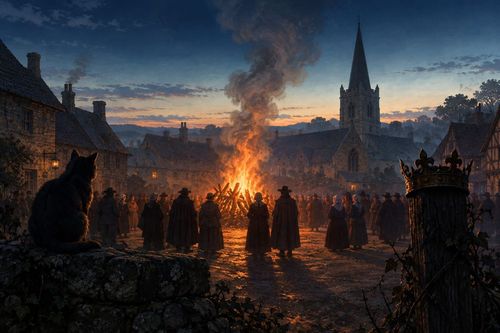
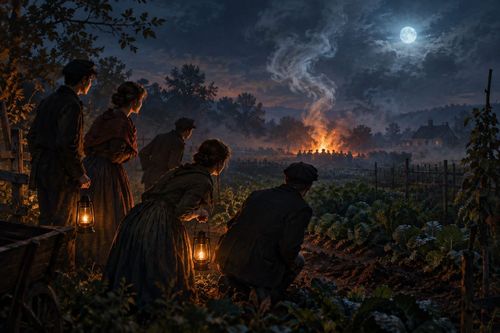
That's where the name gets interesting. Samhain was an ancient Celtic festival marking the end of harvest season and the beginning of winter, celebrated over 2,000 years ago in Ireland, Scotland, and parts of Britain.
The Celts believed Samhain was the night the boundary between the living and the dead grew thin, allowing spirits to cross over. Bonfires were lit, costumes were worn, and offerings were left to appease wandering souls, practices that evolved over centuries into what we now call Halloween.
So when someone is diagnosed with Samhainophobia today, their fear is unknowingly tied to a pagan ritual from another continent and another era. The holiday changed costumes, candy, and commercialism along the way, but the ancient root of the name never left.