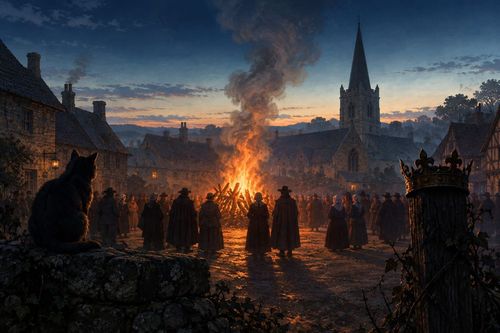
In cities across Germany, Austria, and Switzerland between the 1400s and 1800s, the executioner occupied a strange social position. He was shunned, forced to live outside town walls, and barred from marrying into respectable families. Yet when people got desperately sick, some of them knocked on his door first.
The logic came from a widespread folk belief that death itself transferred power into whatever touched it. Since the executioner stood closest to that moment, people assumed he absorbed some of its force, turning him into an accidental healer whether he wanted the job or not.
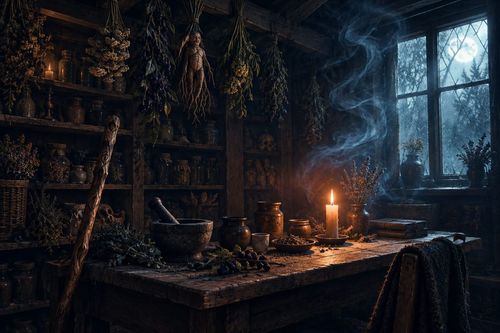
Many executioners leaned into the reputation and built thriving medical side businesses. They set bones, treated wounds, and sold remedies, sometimes becoming more trusted than licensed physicians in their own towns.
Gamblers were especially loyal customers. A sought-after souvenir from any hanging was a scrap of the actual rope, believed to bring luck at cards or dice for years afterward.
But rope wasn't the only product moving off the scaffold. Splinters chipped from the gallows wood were sold as charms, carried in pockets or nailed above doorways to ward off illness and misfortune.
The most extreme version of this trade involved blood collected fresh at the moment of execution. Buyers would drink it warm or let it congeal, convinced it could cure epilepsy, a treatment so common that crowds sometimes gathered near scaffolds specifically to purchase it.
This bizarre economy lasted for centuries before medical science finally pushed it aside. Until then, the same hands that carried out a sentence were, for many Europeans, the hands they trusted most to keep them alive.