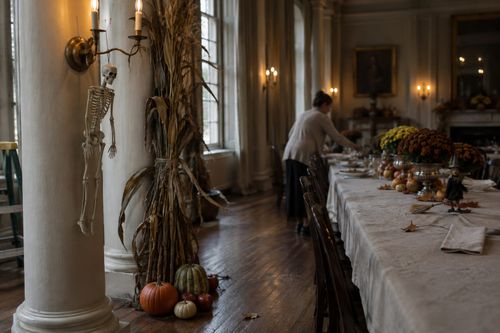
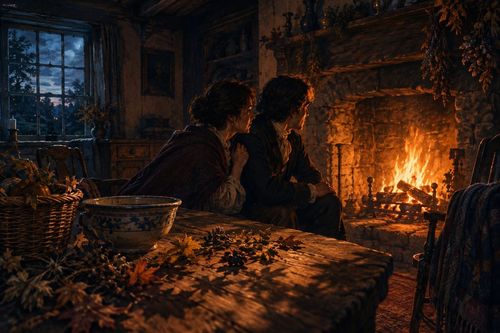
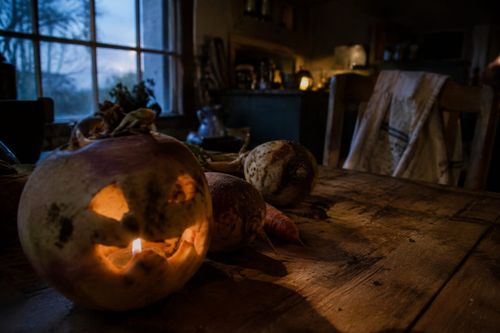
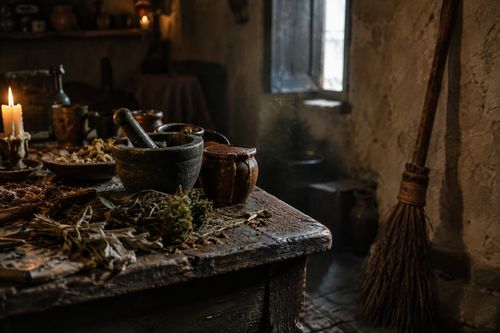
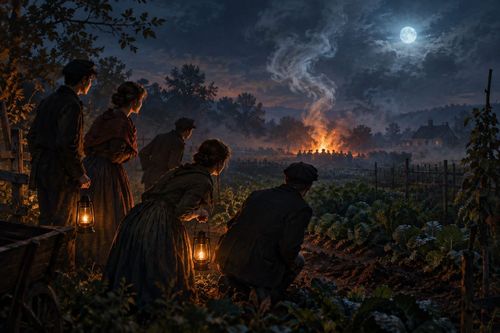
Picture a dinner table set for guests who haven't arrived. Nobody speaks, the doors stand open, and the candles flicker as midnight approaches on Halloween night.
Today, many modern Pagans know this as the Dumb Supper, a silent meal to honor deceased relatives. But the older documented version had nothing to do with grandma's ghost. The word "dumb" here just means silent.
Folklorists traced the custom to an English love divination, and Atlas Obscura notes it was once fairly well known. Halloween was prime time for love rituals among young women in the British Isles and the US.
The rules were strange. In one turn-of-the-century Kentucky account, two teenage girls "prepared a supper backwards in every respect." Other tellings add backwards chairs and dessert served first.
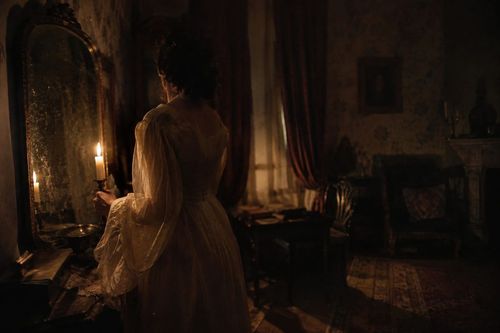
If anyone spoke a single word, the spell was broken. At midnight, the girls opened the windows and doors, took their seats, and waited for the spirit of a future husband to walk in.
Folklorist Wayland D. Hand found the ritual performed with "considerable conformity" from Oxfordshire to Ozark country. A 1921 Missouri newspaper item described a supper where nobody could speak and extra chairs sat empty for husbands who hadn't shown up yet.
So how did it become a meal for the dead? One recent account says modern Pagans borrowed the name and the silence in the late twentieth century, as Samhain was revived as a festival of ancestors. The open doors stayed. The purpose changed completely.