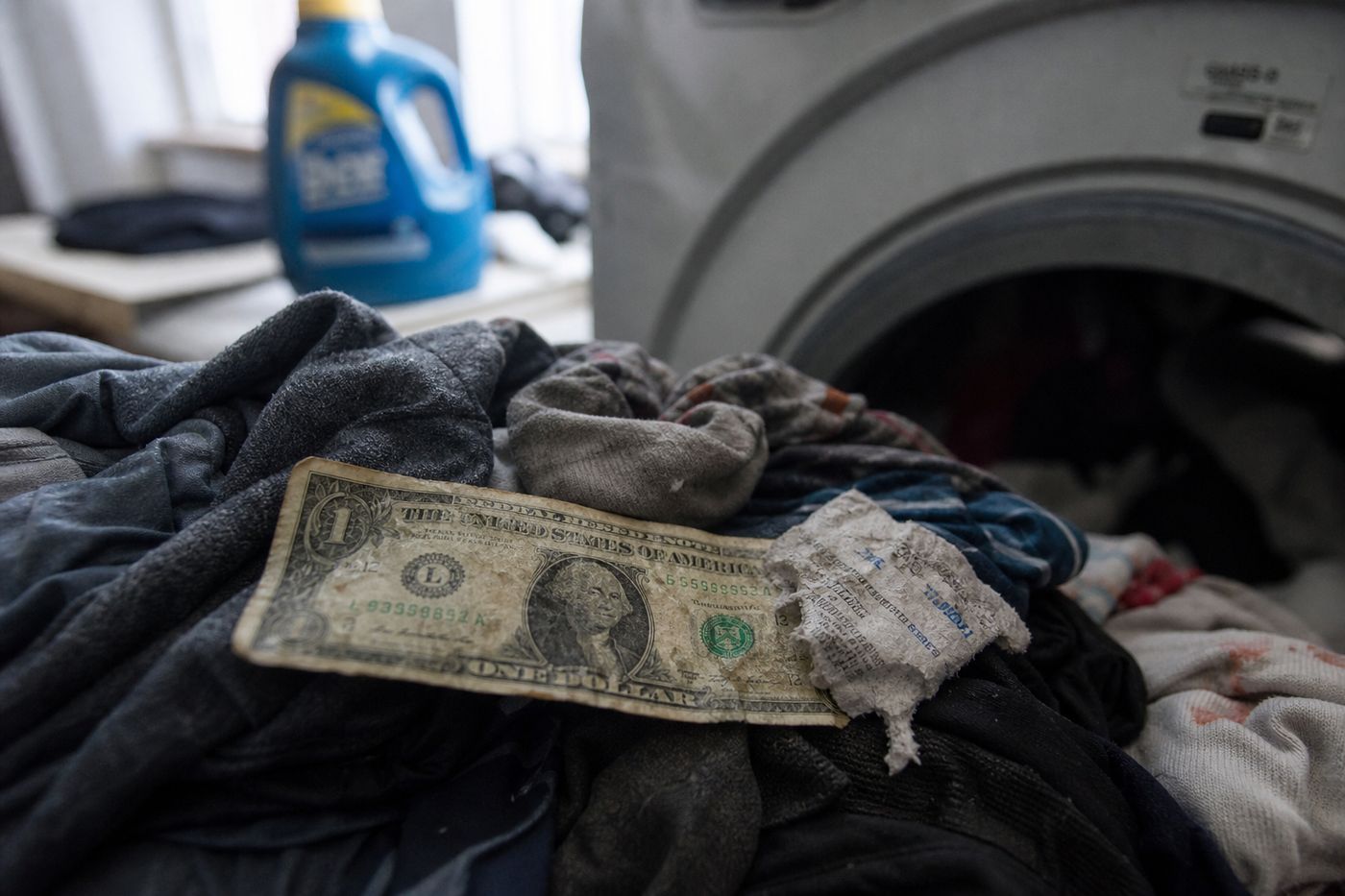
Pull a dollar bill from your pocket and rub it between your fingers. It feels nothing like the paper in your printer, and that's not an accident of manufacturing. U.S. currency contains zero wood pulp whatsoever, which is the exact reason it survives a spin in the washing machine when your grocery list doesn't.
Instead of tree pulp, American bills are made from a blend of 75% cotton and 25% linen. That combination is what gives money its distinct texture and its resistance to falling apart when soaked or crumpled repeatedly over years of use.
This formula isn't a modern innovation either. Crane Currency, the company behind the material, has supplied paper for U.S. money since 1879, and the recipe has barely changed in over a century.
Cotton and linen fibers are longer and stronger than wood fibers, which lets them interlock tightly during production. That interlocking creates a surface that can be folded thousands of times without tearing, something regular paper simply cannot handle.
Small red and blue synthetic fibers are also embedded directly into the blend during manufacturing. They're not printed on top, which makes them nearly impossible for counterfeiters to replicate convincingly with standard printing equipment.
The average dollar bill lasts about 6.6 years in circulation, while higher denominations like the $100 bill can last nearly two decades. That lifespan is only possible because there's no wood pulp inside to break down under constant handling, folding, and washing machine accidents.
So the next time a bill survives your laundry cycle while a receipt turns to mush, you can thank a 19th-century paper formula. It's cotton and linen doing the heavy lifting, not some indestructible modern material.