Every translation, textbook excerpt, and paperback copy of the Odyssey traces back to a document that has never actually been found. No original manuscript of the Odyssey has ever existed, and scholars don't expect one ever will.
The reason goes back to how the poem was created in the first place. The Odyssey was composed orally, recited by traveling storytellers for generations, before it was ever written down at all. By the time it reached paper, the "original" version had already changed many times over.
The oldest physical evidence we have is nowhere close to Homer's era. The earliest surviving fragments of the Odyssey are papyrus scraps dating to roughly 285 to 250 BC, centuries after the poem is believed to have first been composed.
Complete versions took even longer to appear. The oldest known complete copies of the Odyssey are medieval manuscripts, written more than a thousand years after the earliest surviving fragments, meaning generations of scribes copied and recopied the text long before those versions existed.
Every one of those copies introduced small changes along the way. Scholars have identified accidental transcription errors, deliberate edits, and regional differences scattered throughout the surviving manuscript tradition, meaning no two ancient copies of the Odyssey are perfectly identical.
Even ancient scholars noticed the problem. Scribes in Alexandria attempted to establish a more standardized version of the text centuries after Homer's time, but even their edited copies didn't survive, and are only known today through later manuscripts that reference them.
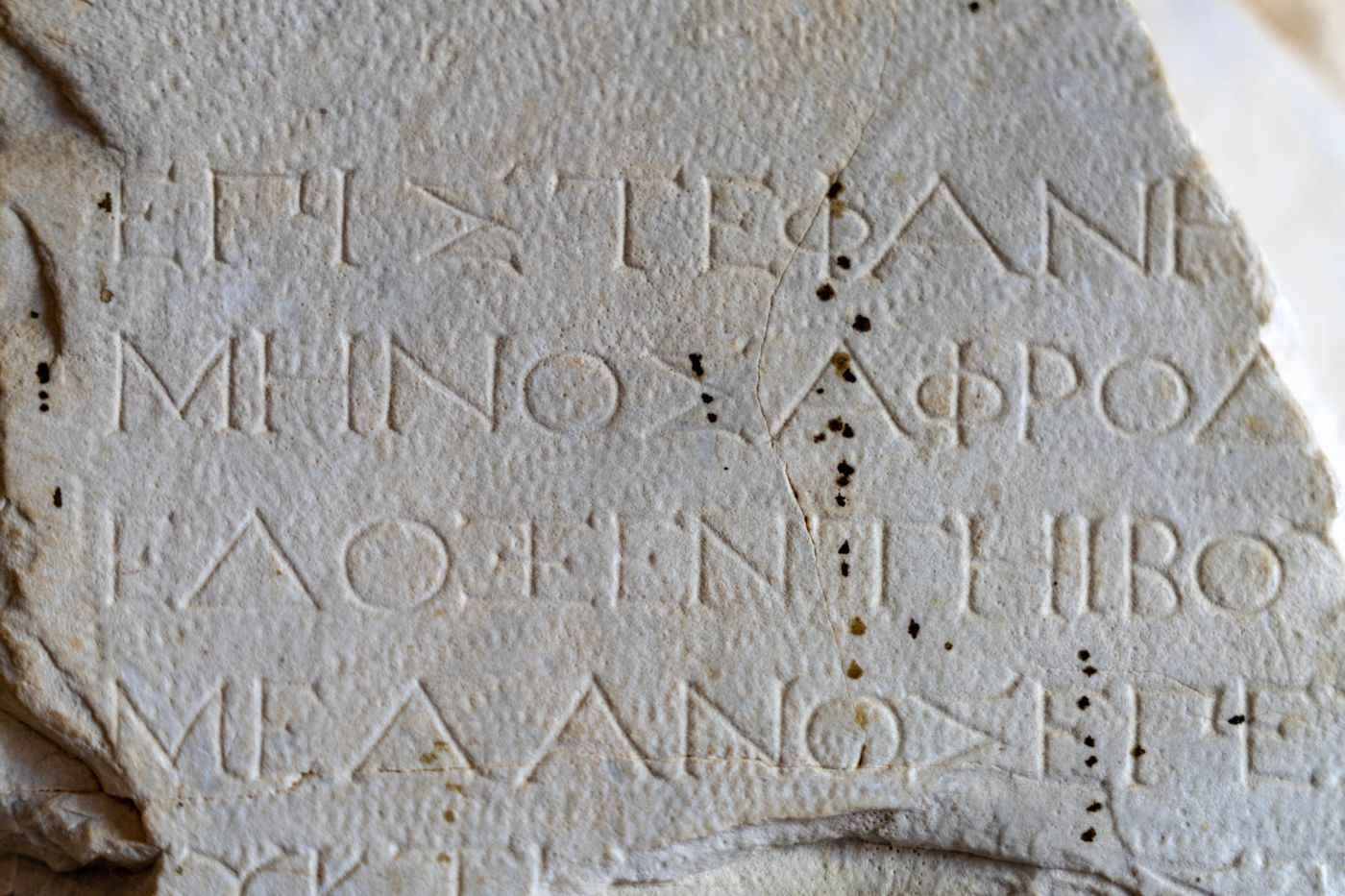
In 2018, archaeologists added one more twist to the story. They discovered 13 verses of the Odyssey carved into a clay tablet in Greece, dating to the Roman era, further proof that the "original" text has always existed only as scattered pieces, never as a single, complete, trustworthy source.