Condoms feel like a modern, awkward-to-buy product, but their history is stranger than most people guess. We dug up three true stories: a castle toilet full of 17th-century surprises, a law that once reached into the marital bedroom, and an Olympic habit that reportedly strained a city's plumbing. They sound made up, but they aren't.
1. Where were the oldest condoms ever found?
In a toilet pit at Dudley Castle in England. Archaeologists digging there in the 1980s pulled out about ten condoms dating to the 1640s, among the oldest ever excavated. Sources differ on the exact year of the dig, so we'll just say the 1980s.
They were made from animal membrane, a kind of animal intestine, and such condoms were expensive and often reused. According to a museum write-up, five of the ten were found wrapped one inside the other.
The castle was garrisoned during the English Civil War, and the condoms are believed to have been used by soldiers. That's a theory, and a curator admits we can't be sure they were ever used. Sweden also has a 1640s pig-intestine condom, found with its user manual, so the title is shared.
2. Could using condoms actually be illegal?
Yes. Until 1965, Connecticut made it a crime to use birth control, even for married couples. Your parents or grandparents may have lived under that law. The Supreme Court struck it down in Griswold v. Connecticut, in a 7-2 decision on June 7, 1965.
The people actually prosecuted were clinic staff. In 1961, Estelle Griswold and C. Lee Buxton, who ran a birth control clinic, were arrested and convicted. Oddly, selling the devices wasn't the crime in the law as the Court described it. Using them, or helping someone use them, was.
Justice Douglas asked whether police could search the marital bedroom for signs of contraceptives. Unmarried people's access wasn't protected until Eisenstadt v. Baird in 1972, which tackled a Massachusetts law.
3. Did Olympians really clog a city's sewers?
That's what news outlets reported about the 1994 Lillehammer Games: a flood of condoms straining the sewage system because athletes were flushing them around the clock. We found no official record, so treat it as a widely repeated report.
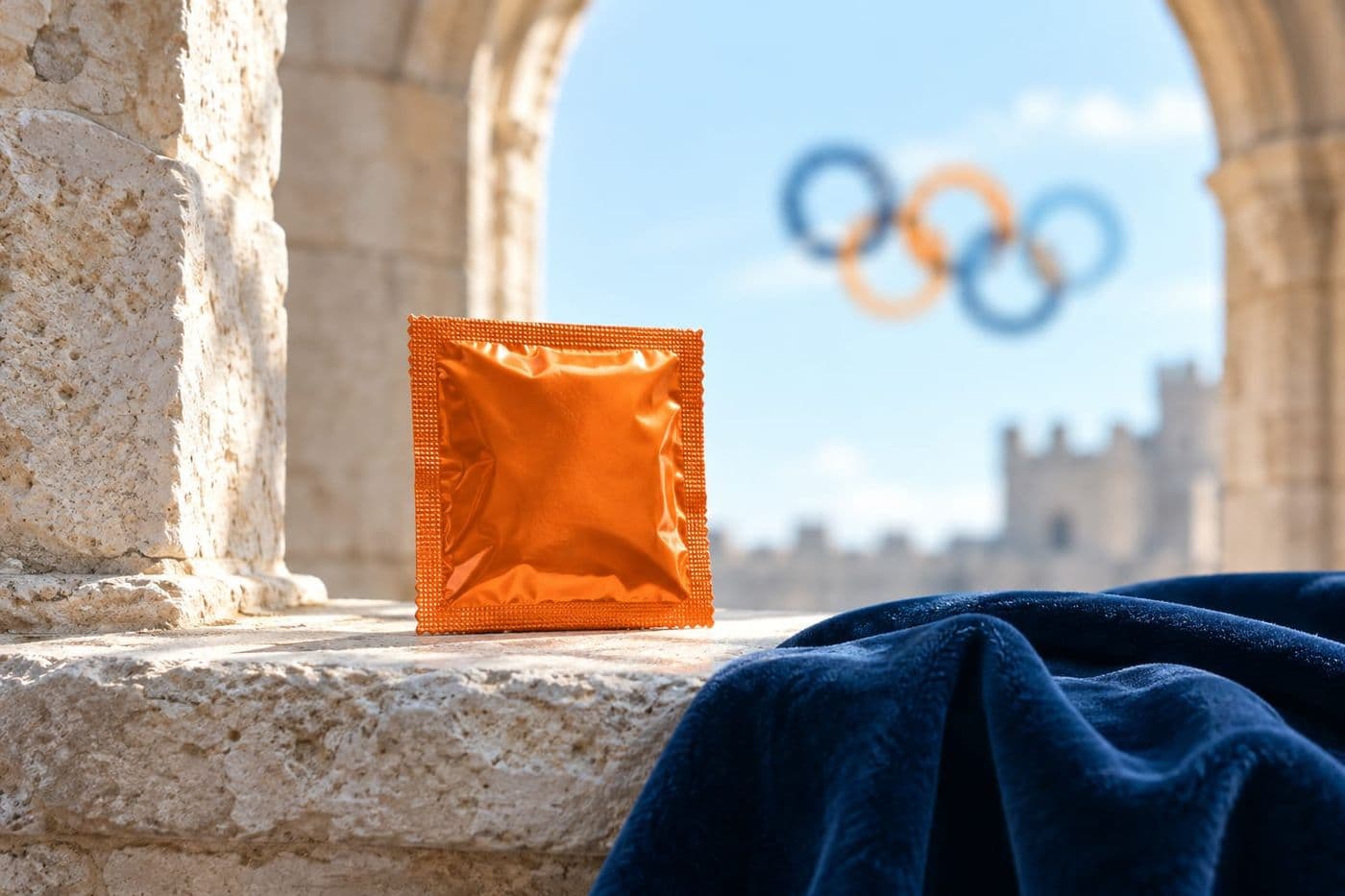
Free condoms have been an Olympic Village tradition since 1988, starting as HIV/AIDS prevention. Rio 2016 handed out 450,000, up from around 100,000 at earlier Games, including 100,000 female condoms.
At Sydney 2000, athletes reportedly burned through the supply so fast that manufacturer Ansell shipped 20,000 more before the closing ceremony. Reports differ on the starting stockpile, but everyone agrees the athletes kept going.