![[#~image_alt_1~#]](/_next/image?url=https%3A%2F%2Fd3klpa3rfwubzz.cloudfront.net%2Fmedia%2FAPI%20Uploads%2FFTF%2F1042e3759c52cd6d71e4248abc426b84_6a03b3c091.jpg&w=1920&q=75)
By the late 1950s, Cary Grant was Hollywood's smoothest leading man, adored for effortless charm on screen. Off screen, he privately felt like a fraud, anxious and disconnected from the persona audiences loved.
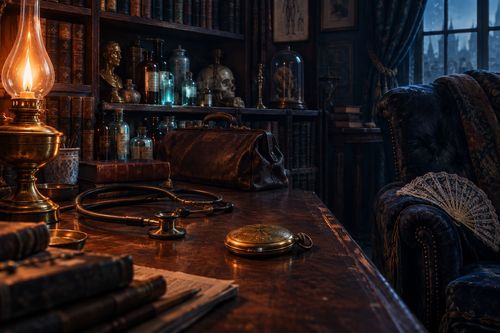
Searching for relief, Grant turned to a Beverly Hills psychiatrist running an experimental therapy program. The treatment wasn't talk therapy or medication in the usual sense, it involved a substance most people today associate with counterculture rebellion.
That substance was LSD, which was completely legal in the United States at the time and used in clinical psychiatric settings. Grant wasn't dabbling once out of curiosity, he committed to the process for years.
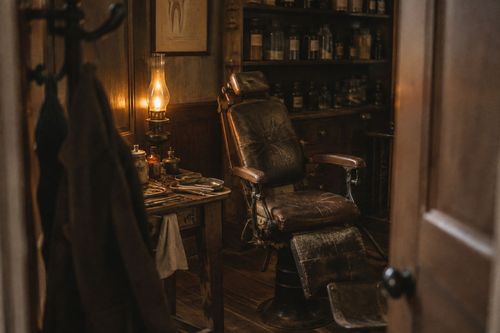
By his own account, Grant underwent more than 100 supervised LSD sessions across roughly three years, guided by doctors in a controlled clinical office rather than at parties or on set.
He later gave interviews crediting the sessions with helping him confront childhood trauma, including his mother's institutionalization when he was a boy, an event he'd hidden for decades.
Grant went so far as to publicly praise the treatment in 1959 press interviews, telling reporters he'd finally found inner peace, a stunning admission from a major star during the conservative studio era.
Within a decade, the same drug he credited with saving his sanity became a federally banned substance, turning his candid confession into one of classic Hollywood's most improbable footnotes.