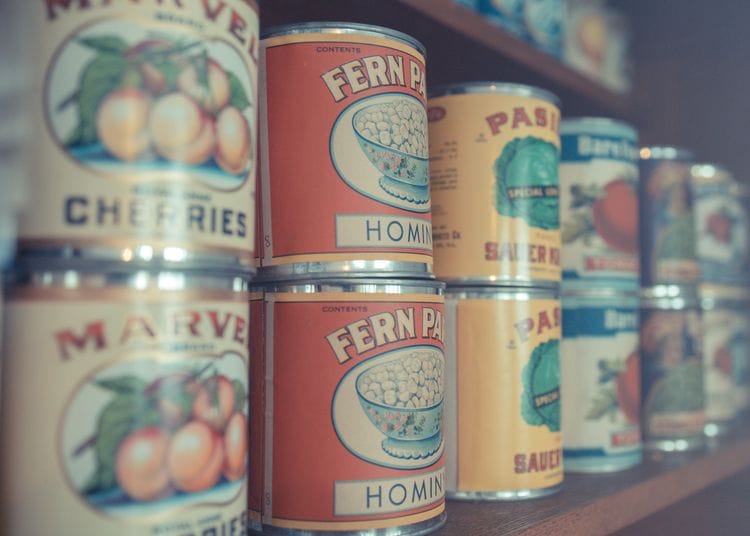
Today, canned food is considered a staple of long-term storage—safe, convenient, and shelf-stable. But when the concept was first introduced in the early 1800s, it came with a hidden danger: many of those early cans were sealed with lead-based solder—and no one knew how poisonous that really was.
The process of preserving food in tins was revolutionary, especially for navies and explorers. The British Navy quickly adopted it for long sea voyages, allowing sailors to carry meat, vegetables, and even soup without spoilage. But the cans were crude and hastily produced, often weighing more than the food they held, and worse, the materials inside could silently leach toxins into the contents.
Lead poisoning symptoms are subtle and slow-building—including fatigue, stomach pain, joint aches, confusion, and irritability. At the time, these were attributed to harsh travel conditions, malnutrition, or even scurvy. In reality, the very food that was meant to save lives was gradually poisoning the people eating it.
One of the most infamous tragedies linked to early canned food was the Franklin Expeditionof 1845. The crew set off to explore the Northwest Passage with nearly 8,000 pounds of canned goods onboard. When the entire crew disappeared, later examinations of preserved bodies showed alarmingly high lead levels, believed to be from both the soldered cans and the lead pipes used in ship plumbing.
Even though lead’s dangers were eventually recognized in the 20th century, the U.S. didn’t fully ban lead-soldered food cans until the 1990s. That means people were still unknowingly consuming trace amounts of a neurotoxin from their pantries well into modern times.
So while today’s cans are lined with safer materials, this bit of food history is a chilling reminder: the technologies we trust most may have dark origins, and sometimes progress takes a few generations to get right.