
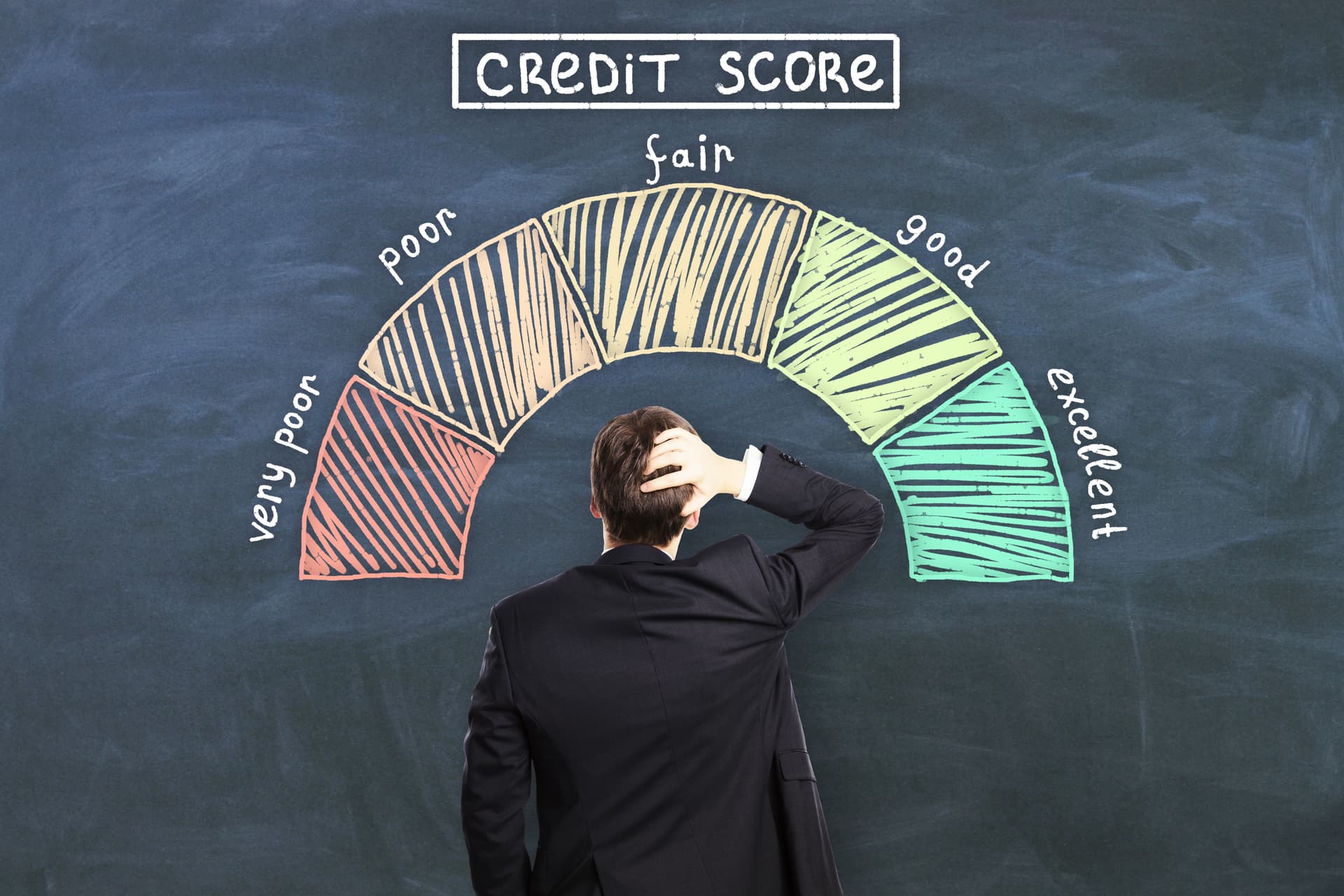
Somewhere right now, a three-digit number is quietly deciding your future. Whether you get approved for a mortgage, what interest rate you pay on your car, even whether a landlord accepts your rental application — all of it flows from a single score calculated by a private company using a formula they refuse to fully disclose. That company is FICO, and their algorithm controls the financial lives of virtually every American adult.
FICO — short for Fair Isaac Corporation — introduced their credit scoring model in 1989. It caught on fast. Today, over 90% of major U.S. lending decisions use a FICO score to determine creditworthiness. Banks, mortgage lenders, auto dealers, credit card companies — they all rely on this number. It has become the single most important financial metric in most people's lives, more influential than your salary, your job history, or your actual bank balance.
Here's the part that should make you uncomfortable: the exact formula is a closely guarded trade secret. FICO publishes a general framework — payment history counts for 35%, amounts owed for 30%, length of credit history 15%, new credit 10%, and credit mix 10%. But those are just the broad categories. The precise mathematical weighting, the specific rules that trigger penalties, the exact calculations that determine why your score jumped 12 points last month or dropped 8 points for no apparent reason? That information belongs to FICO, and they're not sharing it.
Even the people who work with credit scores professionally don't fully understand the mechanics. Researchers have literally attempted to reverse-engineer the FICO algorithm using machine learning just to understand how it actually works — and the best models they've built still only explain about 64% of the variance in scores. A third of what determines your financial fate remains genuinely unclear, even to experts.
Things get stranger when you realize that you don't have just one FICO score — you have dozens. FICO has created different versions for different purposes: FICO 8, FICO 9, FICO 10, plus specialized scores for mortgages, auto loans, and credit cards. Different lenders use different versions, often without telling you which one they're pulling. You could check your score on Monday, feel confident, apply for a mortgage on Tuesday, and discover the lender is using a completely different model that gives you a different number entirely.
The three major credit bureaus — Experian, Equifax, and TransUnion — add another layer of chaos. Each bureau collects data independently, and lenders don't always report to all three. So your score can vary significantly depending on which bureau a lender checks. You could have a "good" score at one bureau and a noticeably lower one at another, based on the same financial behavior. Nobody is required to tell you which bureau was used to make a decision about you.
Some of the rules that affect your score are deeply counterintuitive. Closing an old credit card — even one you never use — can hurt your score by shortening your credit history. Paying off a collection account used to have almost no positive effect on older FICO models. Applying for new credit, even just to check your options, can temporarily ding your score. The system is full of traps that punish financially responsible behavior in ways that make no logical sense — unless you know the rules, which again, aren't fully public.
What makes all of this particularly striking is how much weight society has given to a number that a private company invented 35 years ago, that no government agency fully oversees, and that operates behind a wall of proprietary secrecy. Your FICO score can determine where you live, what you drive, and how much everything costs you for the rest of your life — and the formula behind it is considered a business secret, not a public right. Most people will never question it. They'll just spend their lives trying to improve a number they're not fully allowed to understand.