In September 1928, Scottish bacteriologist Alexander Fleming left his London laboratory for a two-week vacation — and forgot to clean up his workspace before he left. What he came back to wasn't just a mess. It was one of the most important discoveries in the history of medicine.
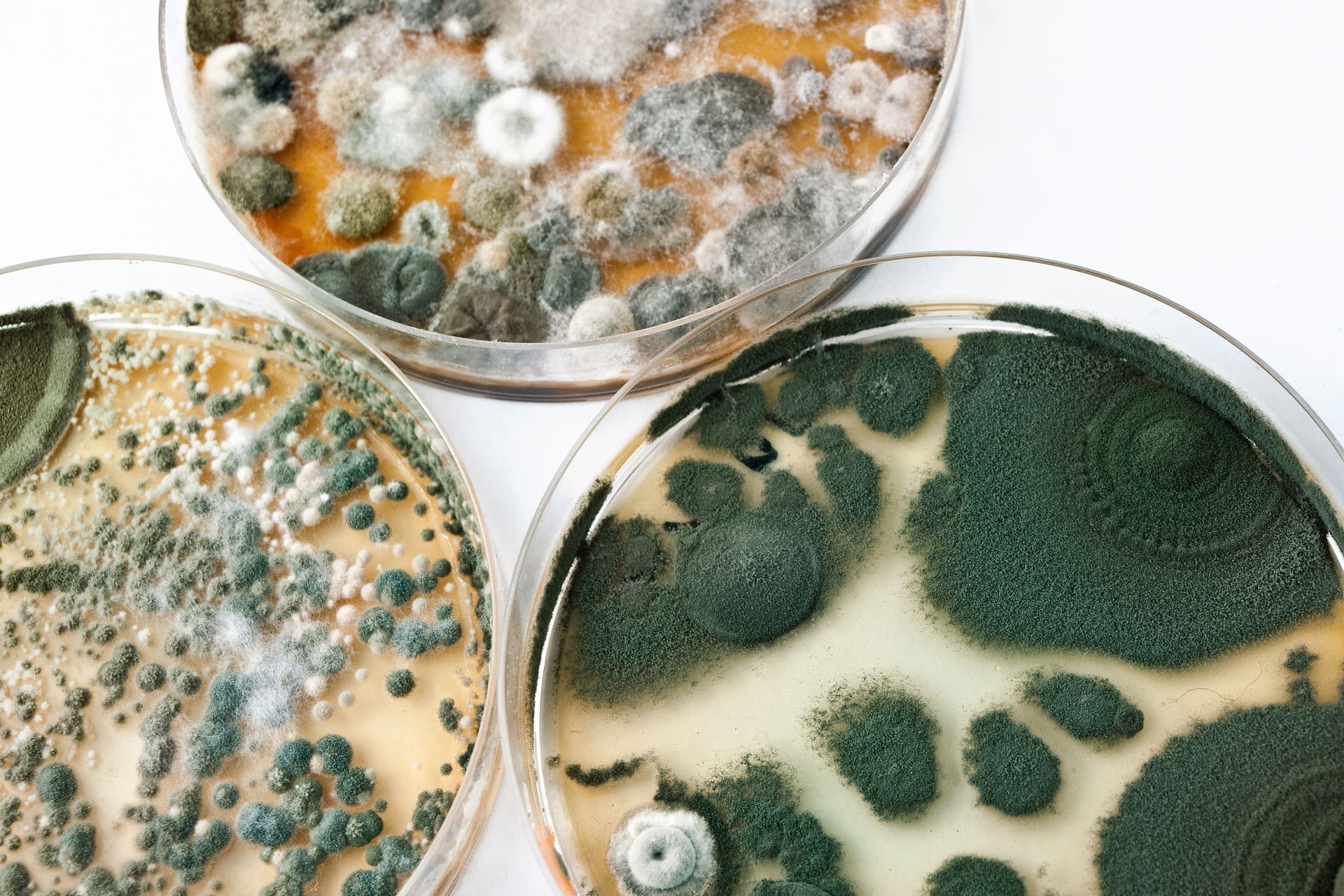
One of his petri dishes, left sitting open on the bench, had been contaminated by a common mold called Penicillium notatum. That part wasn't unusual. What was extraordinary was what the mold had done: it had carved out a clear, bacteria-free ring around itself — the bacteria were simply dead. Something in the mold was killing them.
Fleming, being a careful scientist rather than a tidy one, didn't throw the dish away. He studied it. He identified the antibacterial substance and named it penicillin — a word that would eventually become synonymous with modern medicine itself.
The road from discovery to medicine wasn't quick, though. Fleming himself struggled to purify penicillin in usable quantities and largely set his research aside. It took another decade and two different scientists — Howard Florey and Ernst Boris Chain — to actually turn Fleming's forgotten finding into a drug that could save lives.
By World War II, penicillin had become the Allies' secret weapon — not a battlefield technology, but a medical one. Infections that would have been death sentences in World War I were now treatable in hours. Soldiers who once died from minor wounds were surviving. The war's casualty rates shifted dramatically because of a moldy dish.
Fleming, Florey, and Chain shared the Nobel Prize in Physiology or Medicine in 1945. Fleming was famously modest about the whole thing. He consistently credited luck — pointing out that if the weather in London that summer hadn't been unusually cool, the mold might never have grown the way it did. A few degrees warmer and none of it happens.
Penicillin went on to change virtually every branch of medicine. Surgeries that had been too risky became routine. Organ transplants, chemotherapy, joint replacements — all of them depend on antibiotics to prevent the infections that would otherwise make them fatal. Modern medicine as we know it was built on this foundation.
The entire thing started because a scientist went on holiday and didn't wash his dishes. By some estimates, antibiotics derived from Fleming's discovery have saved over 200 million lives. Messiness has never paid off quite so spectacularly for anyone, before or since.