History Facts

Recent Content

The Secret Formula That Controls Your Financial Life

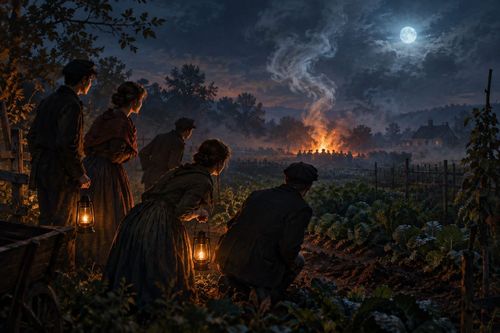
The Secret Formula That Controls Your Financial Life

A private company's secret algorithm decides if you get a house, a car, or a loan — and almost nobody knows exactly how it works.

Read more
This Country Had No Government for 589 Days — and Nobody Cared

This Country Had No Government for 589 Days — and Nobody Cared

Belgium went 589 days without an elected government — and life barely changed. No chaos, no collapse. Just street parties and free beer.

Read more
How Big Water Made Tap Water the Enemy

How Big Water Made Tap Water the Enemy

The bottled water industry spent billions convincing you tap water is dangerous. The truth about what's actually in that bottle will shock you.

Read more
The Disturbing Truth About How Memory Actually Works

The Disturbing Truth About How Memory Actually Works

Researchers have successfully implanted entirely false memories into real people's minds. The scary part? The subjects were completely convinced they were real.

Read more
Why You Always Wake Up Before You Hit the Ground

Why You Always Wake Up Before You Hit the Ground

That falling dream that jolts you awake every time? Your brain is doing something fascinating — and scientists have finally figured out why.

Read more
See All Content

The Dark and Bloody Origin of the Teddy Bear

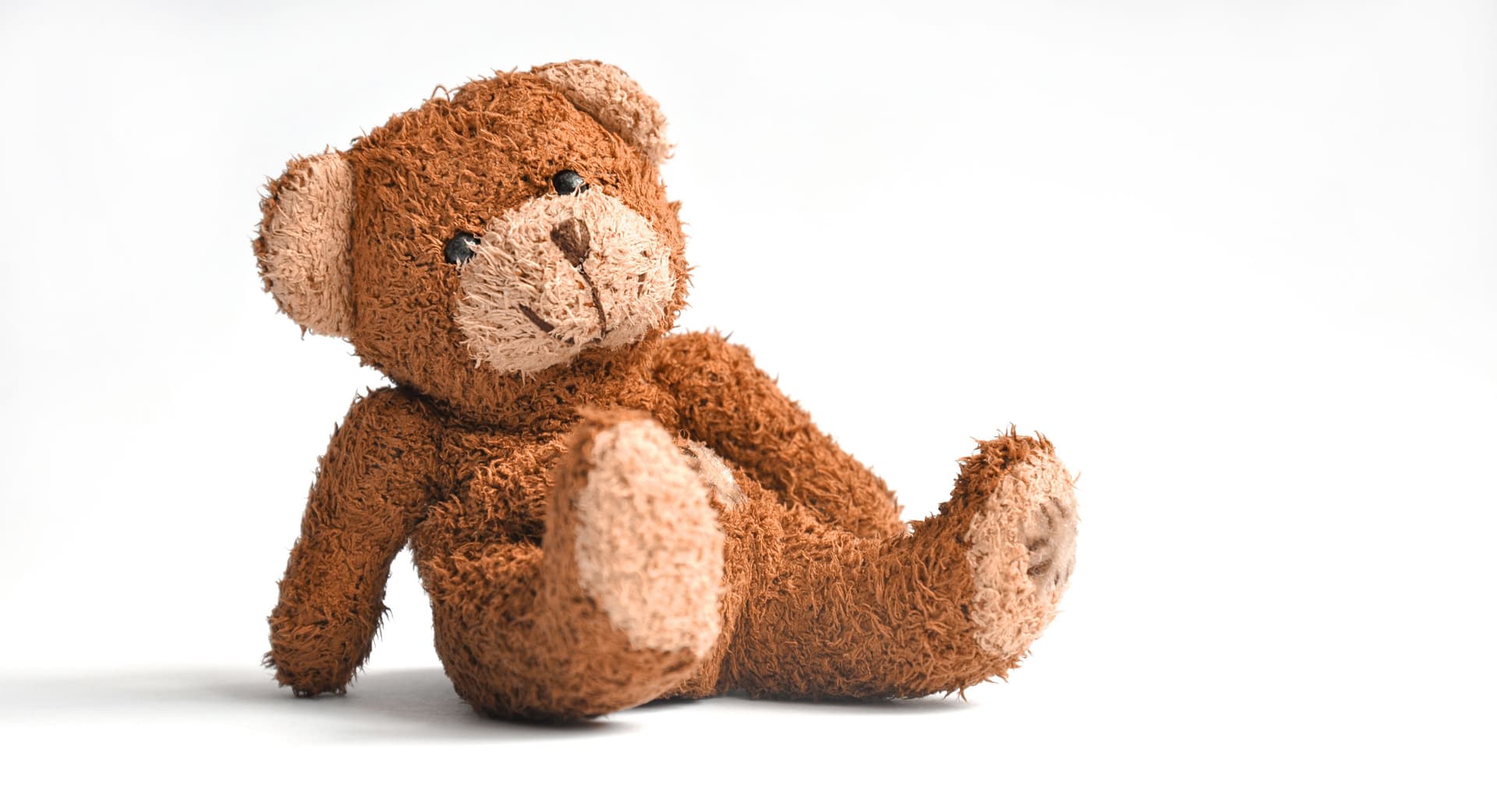
Vintage teddy bear

Every child has owned one. Every nursery has had one sitting on a shelf. The teddy bear is so deeply woven into childhood that it's hard to imagine it was ever invented at all — that there was a specific moment, in a specific place, where it didn't exist yet. That moment was November 1902. And it started with a president, a hunting trip, and a bear that had been cornered, beaten unconscious, and tied to a willow tree.

President Theodore Roosevelt had traveled to Mississippi for a bear hunt hosted by the state's governor. Days into the trip, Roosevelt hadn't found a single bear. His guide, a skilled tracker named Holt Collier, was determined to fix that. Collier spent hours chasing down a black bear with hunting dogs, eventually cornering it, clubbing it over the head, and tying it to a tree so that the President of the United States could walk up and shoot it at close range. Roosevelt took one look at the situation and refused. Killing a helpless, restrained animal wasn't hunting. It was an execution. He walked away.

The story spread fast. Political cartoonist Clifford Berryman caught wind of it and sketched a cartoon for the Washington Post on November 16, 1902, showing a disgusted Roosevelt turning his back on a cowering bear. The cartoon wasn't really about the bear. Berryman was using it as a metaphor for a political boundary dispute Roosevelt was refusing to take a side on. The bear represented Roosevelt "drawing the line" — staying out of a messy situation. But most readers didn't see the political subtext. They just saw a president with a conscience.

A Brooklyn candy store owner named Morris Michtom saw the cartoon and had an idea. He and his wife Rose sewed a small stuffed bear and placed it in their shop window, calling it "Teddy's Bear" — after Roosevelt's widely used nickname, which Roosevelt himself reportedly despised. The bear sold immediately. Then another. Then more. Michtom wrote to Roosevelt asking permission to use his name, and Roosevelt — apparently amused, if skeptical — agreed, reportedly saying he doubted the toy would amount to much.

He was wrong. By 1903, the Michtoms had formed the Ideal Toy Company and were manufacturing teddy bears at scale. Around the same time, a German toymaker named Margarete Steiff independently created her own stuffed bear, which an American buyer spotted at a Leipzig trade fair and ordered 3,000 of for the U.S. market. Neither Steiff nor the Michtoms knew the other existed at the time — poor transatlantic communication meant two people on opposite sides of the world were simultaneously creating the same toy, inspired by the same news story.

Roosevelt leaned into it. During his 1904 re-election campaign, a Michtom bear was prominently displayed at the White House, cementing the connection between the president and the toy. By 1906, one Manhattan store alone sold more than 60,000 teddy bears. The craze was global. Berryman kept drawing the little bear into his political cartoons throughout Roosevelt's presidency, and the image became permanently linked with the man.

Not everyone was charmed. A Michigan minister named Reverend Michael Esper warned his congregation in 1907 that the teddy bear craze was dangerous — specifically, that girls who preferred stuffed animals over baby dolls would lose their maternal instincts and stop wanting children altogether. Several social commentators agreed, warning that the "horrible monstrosity" of the teddy bear would lead to falling birthrates and the destruction of family values. History has not been kind to this prediction.

The bear that started it all — the one tied to the tree that Roosevelt refused to shoot — was ultimately killed by his guide with a knife, put out of its misery as Roosevelt had instructed. A moment of cruelty, a refusal, a cartoon, and a candy store window display later, one of the most iconic childhood objects in human history had been born. The original Michtom teddy bear eventually made its way to the Smithsonian Institution, where it still sits today — soft, worn, and somehow still completely innocent-looking, given everything.
Related Content

History Facts

12 March 2026

Post

The Dirty Petri Dish That Accidentally Saved Millions

Alexander Fleming forgot to clean his lab before vacation. The moldy petri dish he came back to changed medicine forever — and has saved over 200 million lives....

History Facts

17 March 2026

Post

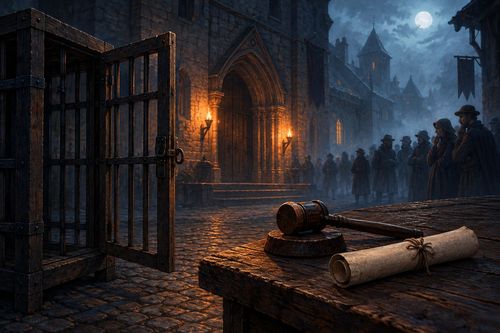
Why Wearing the Wrong Color Could Get You Executed

For centuries, wearing the wrong color — especially purple — was illegal across Europe and punishable by death. Your outfit was literally a legal document....

History Facts

06 April 2026

Post

The One-Legged Pigeon Who Saved Nearly 200 Soldiers

Shot through the chest, blinded, and missing a leg, a WWI carrier pigeon named Cher Ami still delivered the message that saved nearly 200 trapped soldiers....

History Facts

21 April 2026

Post

The Man Who Survived Both Atomic Bombs

Tsutomu Yamaguchi was three kilometers from the Hiroshima blast. Three days later, he was back at work in Nagasaki when the second bomb dropped....

History Facts

17 February 2026

Post

You’ve Been Doing This Wrong… Sleeping Longer Isn’t Helping

For years we’ve heard: “Just get more sleep.” But new sleep data shows something surprising...

History Facts

17 February 2026

Post

This Sounds Fake… But Your Groceries Are Secretly Shrinking

You’re not imagining it. That cereal box feels lighter. That chip bag seems emptier. That snack pack looks… smaller....

History Facts

06 February 2026

Post

How Monopoly Games Helped POWs Escape Nazi Camps

British intelligence hid maps, compasses, and real money inside WWII Monopoly games sent to POW camps. Hundreds escaped—Germans never discovered it....

History Facts

05 February 2026

Post

The Space Pen Myth (And What Really Happened)

The space pen myth is backwards. Fisher spent his own $1M, sold pens to NASA for $6 each. Russia bought them too—pencils were too dangerous in space....

History Facts

02 February 2026

Post

Why Treadmills Were Originally Punishment Devices

Treadmills were invented in 1818 as prison torture devices. Inmates climbed for hours daily grinding grain or nothing. We now pay gyms to use them voluntarily....

History Facts

21 January 2026

Post

The War That Started Over a Severed Ear

A captain preserved his severed ear in a jar for 7 years, then showed Parliament. Britain declared war on Spain, and it lasted 9 years....

History Facts

17 January 2026

Post

The War That Was Fought Over a Bucket

In 1325, two Italian cities fought a war over a stolen bucket. Thousands died. The bucket is still locked in a tower today, and they still won't give it back....

History Facts

15 January 2026

Post

When the Government Deliberately Poisoned Alcohol

During Prohibition, the U.S. government deliberately poisoned alcohol knowing people would drink it. Thousands of Americans died....

History Facts

27 December 2025

Post

How January 1st Became New Year's Day

Julius Caesar picked January 1st as New Year's Day in 46 BC. Before that, the new year was March 1st—which is why our month names don't make sense....

History Facts

22 December 2025

Post

The Paranoid History Behind Clinking Glasses During Toasts

Clinking glasses before drinking started as a medieval poison detection method. Now it's mandatory etiquette that nobody questions....

History Facts

08 December 2025

Post

How Wrapping Paper Was Invented by Accident

Decorative wrapping paper was invented by accident in 1917 when a Kansas City store ran out of tissue and sold fancy envelope linings instead. It sold out....
Terms and ConditionsDo Not Sell or Share My Personal InformationPrivacy PolicyPrivacy NoticeAccessibility NoticeUnsubscribe
Copyright © 2026 Fun Fact Feed