Picture this: it's the 1980s, and Evian has a problem. Tap water is clean, nearly free, and available in every home in America. Nobody needs to buy water in a bottle. So what do you do? You hire supermodels to carry your product down the runway at New York Fashion Week and tell the world that drinking bottled water will make you thinner, more beautiful, and healthier. It worked. And the industry never looked back.
Today, bottled water is one of the most profitable businesses on the planet, selling a product that costs almost nothing to produce at prices up to 1,900 times more expensive than tap water. The entire industry is built on one foundational belief that consumers have been carefully, deliberately, and expensively taught: that tap water is dangerous, and bottled water is pure. Neither of those things is quite true.
Here's something the industry doesn't advertise: an estimated 25% or more of all bottled water is literally just tap water. Filled from a municipal water system, sometimes filtered, sometimes not, then sealed in a plastic bottle with a mountain spring on the label. Walmart's Sam's Choice and several other major brands have been chemically tested and found to be essentially indistinguishable from standard tap water. The only real difference was the price.
The regulatory gap between tap and bottled water is staggering once you see it. Tap water is regulated by the EPA and must be tested for bacteria hundreds of times per month. A bottled water plant? Required to test just once a week. Municipal water suppliers are also legally required to publish annual water quality reports that any consumer can read. Bottled water companies are under no such obligation — they don't have to tell you what's in the bottle, where it came from, or what they found when they tested it.
When researchers have actually tested popular bottled water brands, the results have not been reassuring. One major investigation found that nearly a quarter of brands tested contained chemicals above state health limits or industry safety guidelines. Some contained bacteria. Two brands were found to contain disinfection byproducts at levels exceeding California's legal limits — the same byproducts that are tightly regulated in tap water. And unlike tap water violations, bottled water contamination doesn't trigger public notification requirements.
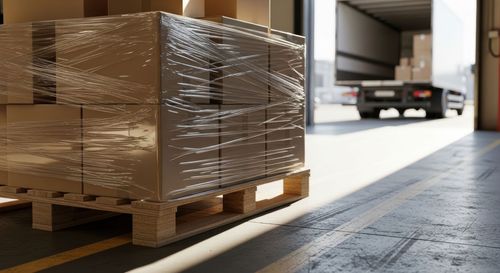
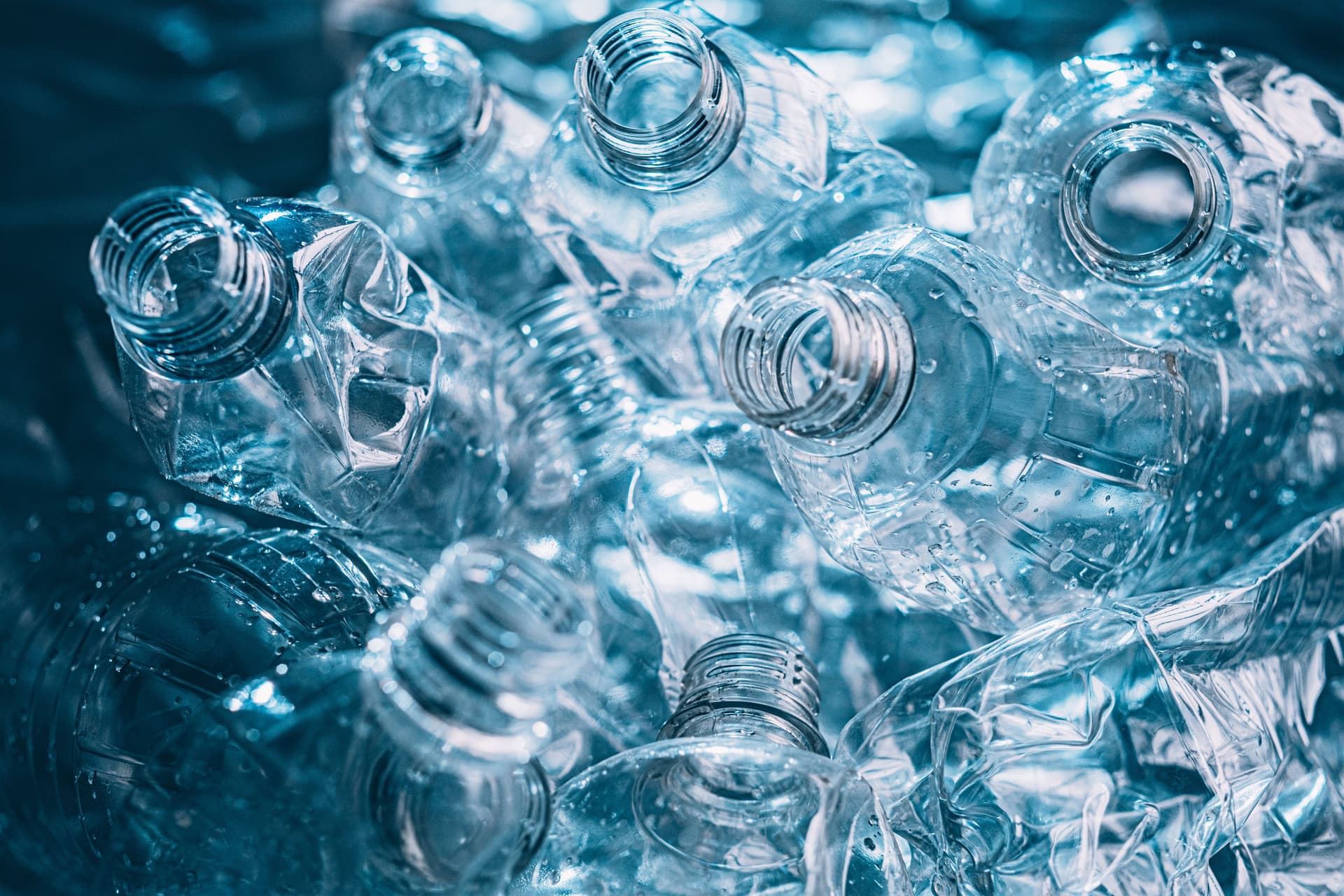
There's also the plastic problem nobody likes to talk about. Plastic bottles leach chemicals into the water inside them, including antimony, a heavy metal used in the manufacturing process, and hormone-disrupting compounds that interfere with estrogen and testosterone. The longer a bottle sits in a hot warehouse or delivery truck — which could be months — the more those chemicals migrate into the water you eventually drink. The pristine mountain spring imagery on the label doesn't account for what happens between the source and your hand.
The FDA, which regulates bottled water as a food product, inspects bottling plants on average once every several years — and historically has allocated very little funding to enforcement. A Government Accountability Office report explicitly criticized the FDA for failing to require bottlers to use certified labs, failing to require results be reported to the agency, and failing to define vague label terms like "pure," "spring," and "natural" that companies use freely on their packaging.
None of this means tap water is perfect everywhere — there are communities with genuine infrastructure problems, and a water filter is always a reasonable precaution. But the broad cultural belief that bottled water is cleaner, safer, and worth the premium? That belief was manufactured by an industry that needed you to distrust something you were already getting for free. The supermodels at Fashion Week were just the beginning. Decades later, the marketing is still doing exactly what it was designed to do.