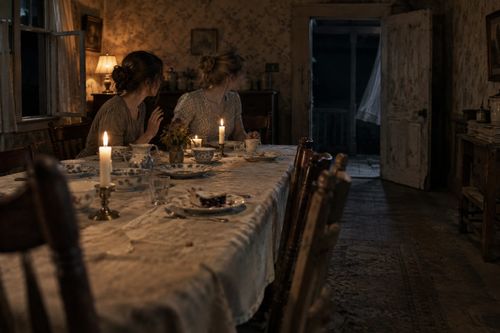
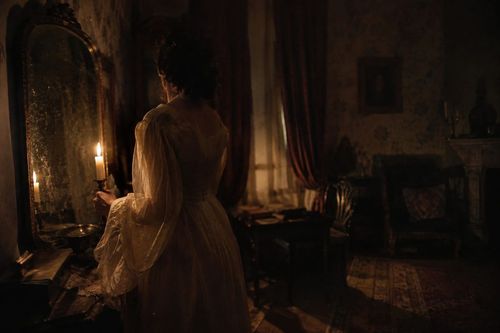
In 1914, a New York socialite named Mary Phelps Jacob was getting dressed for a party and had a wardrobe emergency. Her whalebone corset kept poking through the thin fabric of her evening gown, and she refused to wear it that night.
With no time to shop and no patience for the rigid undergarment, she grabbed two silk handkerchiefs and some ribbon and asked her maid to help her improvise something else to wear underneath.
The handkerchiefs were stitched together with ribbon straps, creating a soft, flexible alternative that let her move freely and still look proper in her gown. Friends who saw it immediately asked her to make one for them too.
Word spread quickly, and soon strangers were sending her money by mail asking for their own version. Realizing she had stumbled onto something bigger than a party fix, she decided to make it official.
In 1914, she filed a patent for the "Backless Brassiere", describing a design that was lightweight, comfortable, and nothing like the stiff corsets women had been forced into for decades.
She eventually sold the patent to the Warner Brothers Corset Company for $1,500, a deal that would be worth roughly $45,000 today, and stepped away from the business entirely.
Warner Brothers went on to make an estimated $15 million off that single patent in the following decades, all traced back to a last-minute fix made from two handkerchiefs and a piece of ribbon.