Claim A says the BBC reran Ghostwatch every Halloween until 1998. Claim B says Ghostwatch's fake news format led to child PTSD reports. Claim B is true, and Claim A is completely made up.
On October 31, 1992, the BBC aired Ghostwatch, a drama dressed up as a live investigation into a haunted house. It starred presenters Britain trusted, including Michael Parkinson in the studio and Sarah Greene and Craig Charles at the scene.
The house was fictional, a home on Foxhill Drive in Northolt. Its ghost was nicknamed "Pipes", after knocking noises the mother first blamed on the plumbing. The show was filmed months earlier but presented as live, and it started at 9:25pm, so many viewers missed the labels marking it as drama.
Viewers were invited to phone the real BBC number, and reportedly around 30,000 calls flooded in. Estimates vary, and the BBC had only a handful of operators standing by.
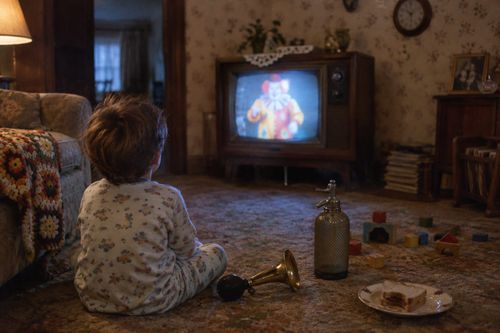
In 1994, the BMJ described two ten-year-old boys with symptoms like sleep trouble, fear of the dark and irritability. The authors called them the first reported cases of PTSD caused by a TV programme. Later letters described more cases in children aged 11 to 14.
There was a twist: the authors noted the symptoms cleared up quickly, suggesting a brief anxiety reaction rather than true PTSD. In 1995, the Broadcasting Standards Council ruled that the producers had set out to cultivate a sense of menace.
As for Claim A, the BBC never reran Ghostwatch every Halloween. It has never been repeated on UK television.
Think you could have spotted the fake? Share this with a friend and see if they would have been fooled.