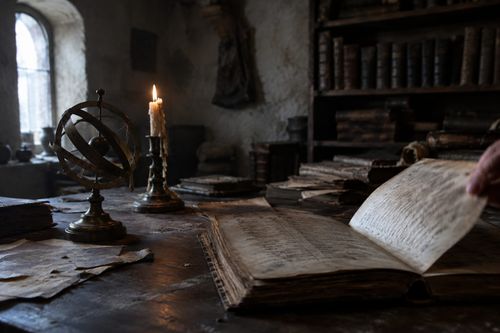
Medieval scriptoriums were quiet rooms where monks spent years copying scripture by hand, letter by letter, under candlelight. It sounds like the most disciplined work imaginable, which makes what they left behind so unexpected.
Historians combing through surviving manuscripts have found margins packed with tiny illustrations that have nothing to do with the sacred text above them. Some show knights jousting snails, rabbits wielding swords, or monks mooning the reader in full, unmistakable detail.
These images are called "marginalia," and they appear across hundreds of surviving medieval books, from psalters to prayer manuals. Art historians now study them as seriously as the text itself, because they reveal what illuminators were actually thinking.
The explicit content wasn't hidden or scratched out later by embarrassed clergy. It survived for centuries in plain sight, tucked beside psalms and gospel passages, apparently without much fuss from the church officials who owned these books.
Scholars believe the doodles served as a pressure release for scribes doing repetitive, exhausting labor. Copying a single manuscript could take months, and the margins became the one space where a monk's personality could sneak through.
One theory suggests the bawdy images also worked as inside jokes between illuminators, a visual rebellion against the seriousness of the text they were forced to reproduce word for word. Nobody signed these drawings, so their creators remain anonymous.
Today these manuscripts sit in museums and university archives, still bound exactly as they were centuries ago. Visitors expecting solemn religious art are often stunned to find a knight fighting an angry snail two inches from a psalm.