Georgian London looked buttoned up on the surface, all powdered wigs and stiff manners, but the city held a secret social world running beneath its streets. Molly houses, as they were called, gave gay men a place to gather, dance, and be themselves in an era when doing so could cost them their lives.
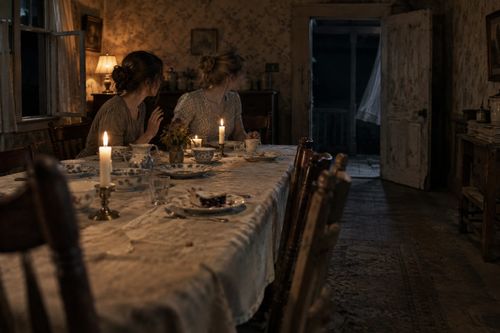
These were not glamorous underground lairs but ordinary taverns, coffeehouses, and private rooms scattered across the city. Mother Clap's molly house in Holborn became one of the most famous, hosting dozens of men on a single busy night in the 1720s.
Regulars used coded names, campy nicknames, and playful mock weddings to build a community that felt safe from the outside world. Some even staged fake childbirths as satirical theater, poking fun at the rigid gender roles they were forced to perform in daily life.
The danger was constant and very real, since sodomy was a capital offense under English law at the time. Molly houses survived only because they relied on secrecy, bribery, and a loose network of lookouts who could warn patrons of approaching authorities.
That fragile safety collapsed in 1726 when undercover agents infiltrated Mother Clap's house after months of surveillance. The raid led to dozens of arrests, and the resulting trials sent several men to the gallows purely for who they loved.
Court records from these trials, preserved for centuries, became one of the few detailed windows historians have into queer life in the 1700s. The very persecution meant to erase this community accidentally left behind proof that it existed at all.
What survives today paints a picture far removed from the buttoned up image of Georgian England most people carry. Beneath the powdered wigs and formal manners was a network of hidden spaces where identity, humor, and community quietly refused to disappear.