



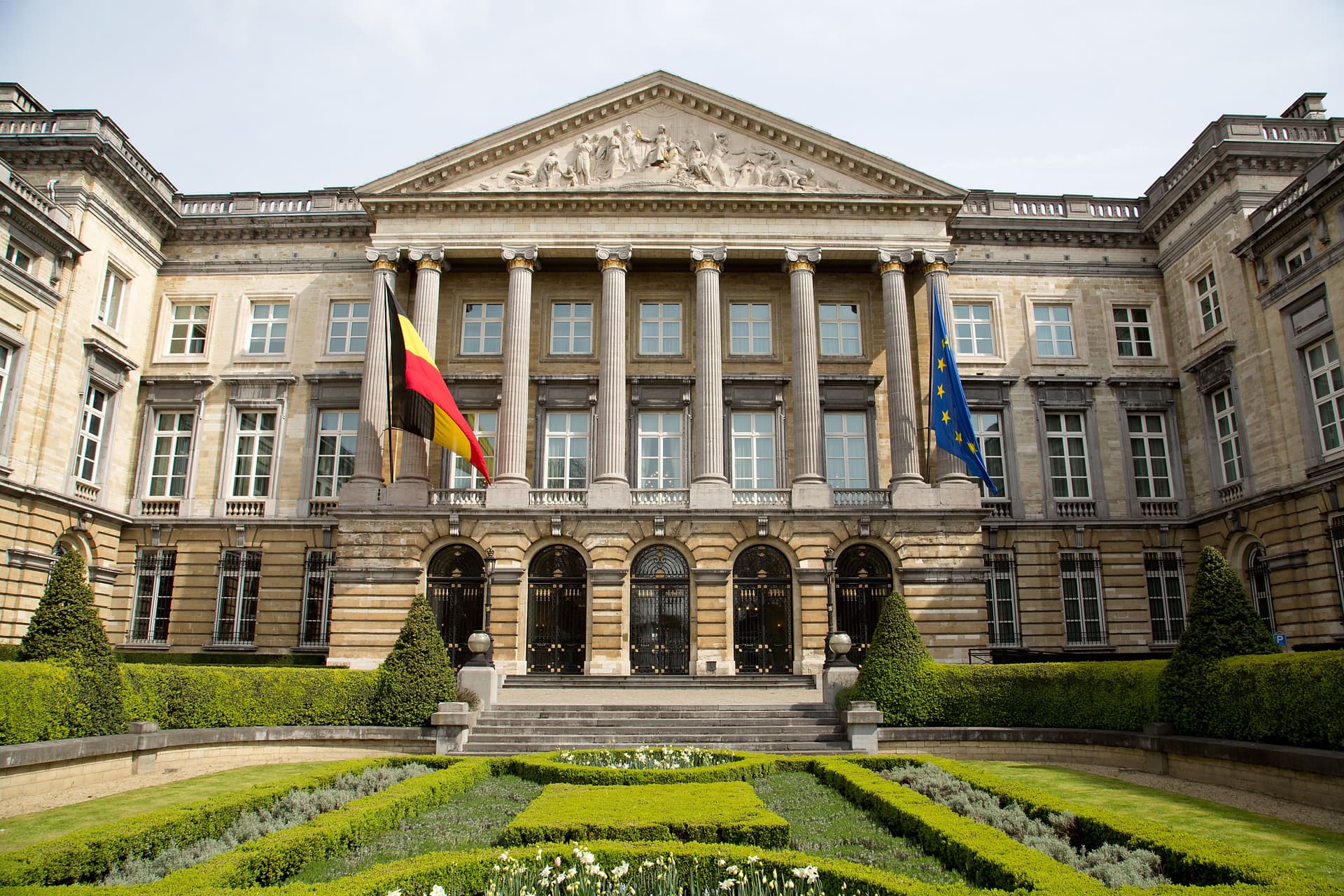
In June 2010, Belgium held a federal election. The two largest parties — one Flemish, one French-speaking — were so deeply divided on nearly every issue that they couldn't agree on how to form a government. Then they kept not agreeing. For days, then weeks, then months. By the time it was all over, Belgium had gone 589 days without an elected federal government — a Guinness World Record that stunned political scientists around the world.
The country's deep linguistic divide had been simmering for decades. Belgium is split between Dutch-speaking Flanders in the north and French-speaking Wallonia in the south, with Brussels sitting bilingual in the middle. After the 2010 election produced 11 parties in parliament with none holding more than 20% of seats, forming a coalition became nearly impossible. Negotiators came and went. Proposals were rejected overnight. One mediator famously quit after months of failed talks.
What the world expected was chaos. What actually happened was... not much. Belgium kept functioning almost completely normally. Trains ran on time. Police showed up to work. Hospitals stayed open. Garbage got collected. The reason? A caretaker government — led by the outgoing Prime Minister — was legally allowed to keep the lights on and handle day-to-day affairs. It just couldn't pass new legislation or make major policy decisions.
Belgian citizens, for their part, treated the whole situation with characteristic dry humor. There were street parties when Belgium broke the previous world record, which had been held by Iraq. Protesters staged a "frite revolution," handing out free french fries in central Brussels. A group of women jokingly threatened a sex strike until politicians reached a deal. A mock government website went viral. The Belgian people, it turned out, had a remarkably relaxed attitude toward the absence of their own government.
Part of that attitude came from something political scientists found genuinely interesting: Belgium had spent decades quietly transferring real power away from the federal government and down to its regional governments. By 2010, the regions of Flanders, Wallonia, and Brussels-Capital were handling so many day-to-day responsibilities — education, employment policy, housing, local infrastructure — that the federal government's absence was barely felt on the ground. The system had essentially decentralized itself out of necessity.
One economics professor even argued the deadlock had an unexpected upside: "A government without power can't introduce new taxes," he pointed out. With no functioning legislature, Belgium couldn't pass a budget for 2011 and had to keep rolling over the previous year's spending. While that created long-term concerns, in the short term it meant no new financial burdens on citizens. Some Belgians quietly admitted they preferred it.
The record finally ended on December 6, 2011, when a six-party coalition was sworn in under Prime Minister Elio Di Rupo — 541 days after the election, and 589 days after the previous government officially resigned. The deal involved a sweeping reform of the Belgian state, splitting a contested electoral district that had been at the heart of the crisis for years. Belgians celebrated, though many admitted the celebrations were more about the absurdity ending than any confidence in what came next.
The story became something of a philosophical case study in whether governments are as essential as we assume. Belgium didn't collapse. Society didn't unravel. The country just quietly kept going, powered by bureaucracy, regional governments, and citizens who'd stopped expecting much from their federal politicians anyway. It's worth asking: if a country can run itself for a year and a half without a government, what does that say about how much we actually need one?