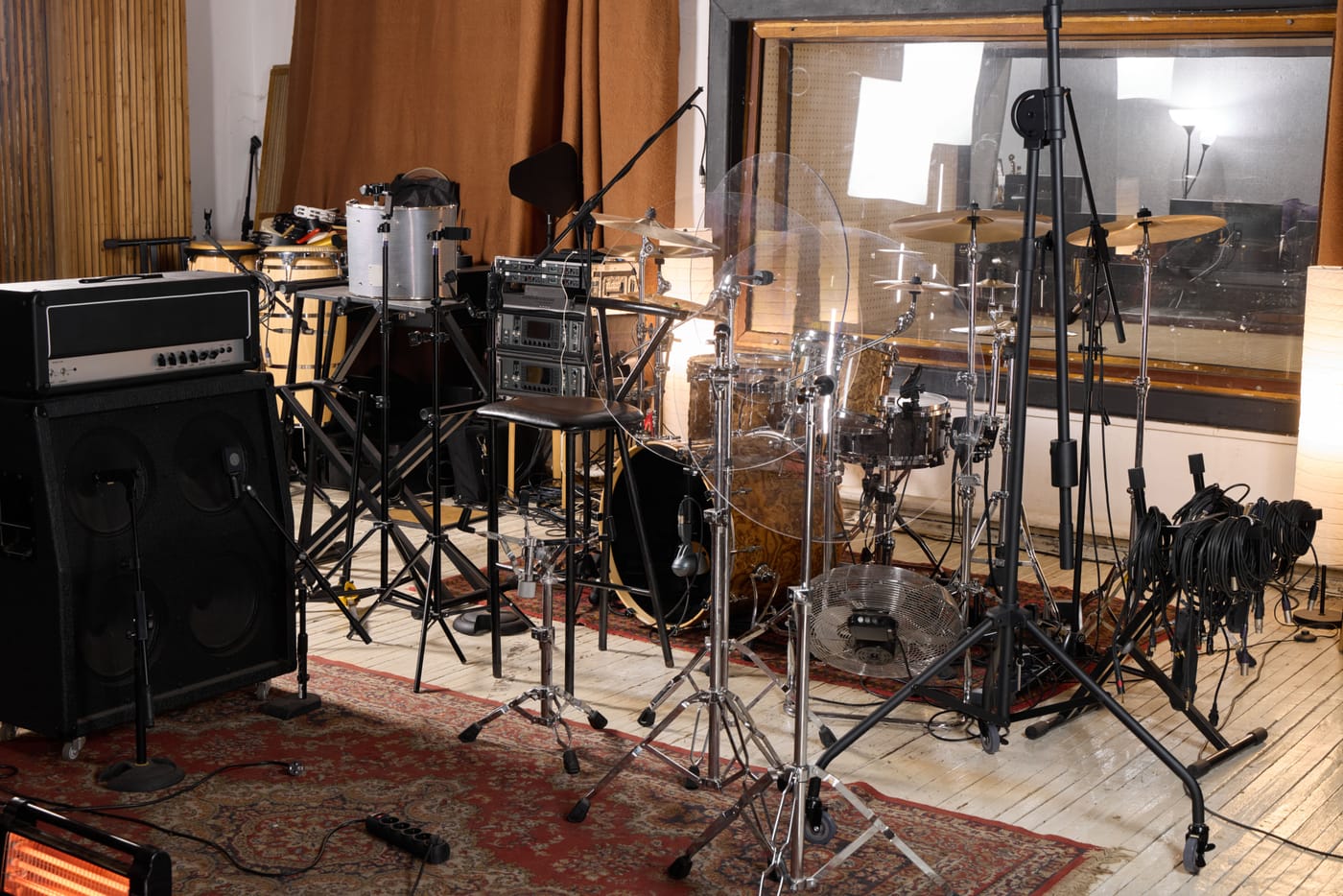
In 1969, a Washington D.C. soul group called The Winstons were recording the B-side of a single. They'd run out of original material, so they recorded an instrumental version of the gospel standard "Amen, Brother." Halfway through the track, the drummer — Gregory C. Coleman — played a four-bar solo that lasted approximately six seconds. Nobody in the room thought much of it. The record came out, barely sold, and The Winstons broke up the following year. The B-side sat in obscurity for nearly two decades.
The six seconds didn't stay obscure. In 1986, a hip hop DJ named Lou Flores — known as "Breakbeat Lou" — was compiling a collection of drum breaks for other DJs to use as source material. He included "Amen, Brother" on the compilation, slowed it down slightly, and put it in front of producers who immediately recognized something in Coleman's solo: a syncopated, slightly rough, endlessly adaptable beat that could be chopped, looped, and rearranged into almost anything. Within years, it was everywhere.
The Amen Break — as it became known — didn't just get sampled. It became the architectural foundation of entire genres. Drum and bass, jungle, breakcore — musical movements that emerged in the late 1980s and 1990s and generated billions of dollars in music sales — were built substantially around variations of Coleman's six-second solo. Hip hop producers used it from the beginning: it appears in songs by N.W.A., Public Enemy, and Salt-N-Pepa. David Bowie used it. Oasis used it. The Prodigy built careers around it. The theme song of Futurama uses it. According to WhoSampled, as of 2022 it has appeared in over 5,500 tracks.
The Winstons received no royalties for any of it. The bandleader, Richard Lewis Spencer, didn't even know it was being used until 1996 — when a record executive called asking for the original master tape. By then, the statute of limitations for copyright infringement had passed. There was nothing Spencer could legally do. He condemned the sampling publicly, telling journalists: "His heart and soul went into that drum break. Now these guys copy and paste it and make millions."
What happened to Coleman is the hardest part of the story. He spent his later years struggling with mental illness and homelessness in Atlanta. Spencer said it was unlikely Coleman ever knew the scope of what his drumming had become — how many records it had touched, how many careers it had shaped, how many millions of dollars had flowed through music that would not have existed without those six seconds. Gregory Coleman died in 2006, destitute, while the break he played was still appearing in new songs.
The legal situation around the Amen Break remains one of the more uncomfortable corners of music copyright law. Because sampling without clearance was common practice before the landmark 1991 Biz Markie lawsuit forced the industry to reckon with copyright, much of the early use of the Amen Break happened in a legal gray zone that was never fully adjudicated. Later use often went uncleared as well — the sample had become so embedded in certain genres that clearing it felt unnecessary, or the connection to the original was obscured enough by processing that producers felt insulated.
In 2015, a crowdfunding campaign raised over $20,000 for Spencer — a gesture of recognition from the music community, if not legal restitution. Spencer, then in his 70s, was gracious about it. "It's not the worst thing that can happen to you," he said of the sampling, a quote that lands differently when you know what happened to Coleman. The money went to Spencer. Coleman had been dead for nine years.
Somewhere in the music you've listened to your entire life — the hip hop, the electronic music, the drum and bass, the TV themes — there is a six-second loop of a man playing drums in a Washington D.C. studio in 1969. He never knew how far it traveled. He never made a cent from where it went. And the break that built entire genres of music is still being used today.