
Fun Facts

Trending Now

Viagra Facts: A Heart Drug, Blue Vision and Hamsters

Viagra Facts: A Heart Drug, Blue Vision and Hamsters

Why Viagra began as a heart drug, how it can tint your vision blue and why the FAA cares, and the hamster jet lag study that won an Ig Nobel Prize.

Read more
Tattoos: The Iceman, Ink in Your Nodes (+1 More)

Tattoos: The Iceman, Ink in Your Nodes (+1 More)

Ötzi's 5,300-year-old tattoos, where your tattoo ink really travels in your body, and the company that frames a dead loved one's actual tattooed skin.

Read more
The Taboo Word That Broke Through Ad Breaks

The Taboo Word That Broke Through Ad Breaks

One of these claims about a taboo word in a 1980s TV commercial is true, and one is completely made up. Can you guess which one really happened?

Read more
Why a Marathon Is Exactly 26.2 Miles Long

Why a Marathon Is Exactly 26.2 Miles Long

The odd number behind every marathon traces back to one summer day in London. Here's how it happened.

Read more
Starbucks Secrets: Pequod, the CIA and Fecal Ice

Starbucks Secrets: Pequod, the CIA and Fecal Ice

The Moby-Dick name Starbucks almost used, the secret store inside CIA headquarters and the 2017 UK investigation that found fecal bacteria in coffee shop ice.

Read more
See All Content
logo
  • Sports

  • History

  • Language

  • Food

  • Tech

  • Animals

  • Sports
  • History
  • Language
  • Food
  • Tech
  • Animals
  • ​

The Potato was First Cultivated Over 7,000 Years Ago!

The Potato was First Cultivated Over 7,000 Years Ago!

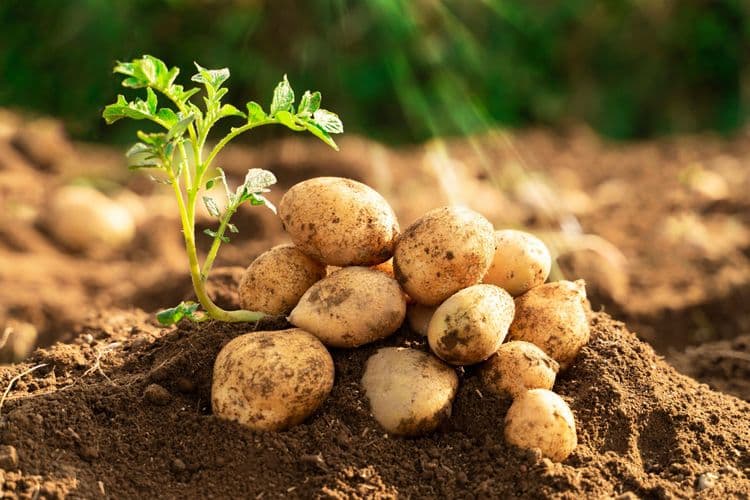
The potato, first cultivated over 7, 000 years ago by Indigenous communities in the Andes Mountains of South America, is a crop with a fascinating journey that reshaped global diets and economies. Indigenous peoples in the region developed numerous potato varieties, relying on them as a nutritious, hardy food source well-suited to the high altitudes and challenging climates of the Andes. When Spanish explorers encountered the potato in the 16th century, they brought it back to Europe, setting in motion a transformation of agriculture and cuisine across the continent.

Initially, Europeans were skeptical of the potato due to its unusual appearance and the fact that it was a member of the nightshade family, which includes several toxic plants. However, the potato’s potential as a reliable, high-yield crop soon outweighed these concerns, especially in regions with poor soil where other staples like wheat and rye struggled to grow. As people began to embrace the potato, it became essential in the European diet, prized for its versatility and ability to provide sustenance during times of scarcity.

By the 18th century, the potato was fueling population growth in Europe and aiding economies by providing a cheap and nutritious food source. In Ireland, the potato became so integral to the diet that it served as a primary food source for the majority of the population. This dependency, however, led to tragedy when a potato blight struck in the mid-19th century, causing the Great Irish Famine—a stark reminder of both the crop's significance and the risks of agricultural reliance on a single staple.

The potato’s influence spread beyond Europe, finding its way into cuisines around the world. In North America, it became a staple crop and culinary favorite, adapted into beloved dishes like mashed potatoes and potato salad. In Asia, the potato was incorporated into regional dishes, from Indian curries to Japanese korokke (potato croquettes). Today, potatoes are grown on every continent except Antarctica, with major producers like China, India, and the United States reflecting the crop's global reach.

Potatoes are celebrated for their versatility and presence in countless dishes, from French fries and chips to stews and dumplings like gnocchi. They provide essential nutrients, including vitamin C, potassium, and fiber, making them a valuable part of diets worldwide. The adaptability of the potato has allowed it to thrive in diverse climates and soil conditions, showcasing the resilience and utility of this remarkable tuber.

The journey of the potato, from the Andean highlands to dinner tables around the globe, highlights its role as a crop that nourished and transformed societies. As a dietary staple, economic booster, and culinary inspiration, the potato remains a testament to the ingenuity of Indigenous agricultural practices and the enduring impact of this humble yet powerful food.


Related Content

History Facts

Fun Facts

10 November 2026

Post

Viagra Facts: A Heart Drug, Blue Vision and Hamsters

Why Viagra began as a heart drug, how it can tint your vision blue and why the FAA cares, and the hamster jet lag study that won an Ig Nobel Prize....

History Facts

Fun Facts

08 November 2026

Post

Tattoos: The Iceman, Ink in Your Nodes (+1 More)

Ötzi's 5,300-year-old tattoos, where your tattoo ink really travels in your body, and the company that frames a dead loved one's actual tattooed skin....

History Facts

Fun Facts

07 November 2026

Post

The Taboo Word That Broke Through Ad Breaks

One of these claims about a taboo word in a 1980s TV commercial is true, and one is completely made up. Can you guess which one really happened?...

Sports Facts

Fun Facts

07 November 2026

Post

Why a Marathon Is Exactly 26.2 Miles Long

The odd number behind every marathon traces back to one summer day in London. Here's how it happened....

History Facts

Fun Facts

07 November 2026

Post

Starbucks Secrets: Pequod, the CIA and Fecal Ice

The Moby-Dick name Starbucks almost used, the secret store inside CIA headquarters and the 2017 UK investigation that found fecal bacteria in coffee shop ice....

History Facts

Fun Facts

06 November 2026

Post

Lobotomies: 3 True Stories That Sound Made Up

How lobotomies won a Nobel Prize, why a 12-year-old was operated on for being a kid, and the secret Kennedy family surgery that was hidden for decades....

Food

Fun Facts

06 November 2026

Post

The Curious Case of How Spam Got Its Name

One of these claims about how Spam got its name is true, and one is completely made up. Can you guess which one really happened?...

Language Facts

Fun Facts

06 November 2026

Post

A Frustrated Author, a Word List, and a Hat

A famous children's book began as a publisher's headache. The author hated the assignment....

Food

Fun Facts

05 November 2026

Post

The Sweet Secret Behind a Sitcom Kitchen Table

One of these claims about a famous sitcom's kitchen-table dessert is true, and one isn't. Can you guess which behind-the-scenes story really happened?...

History Facts

Fun Facts

05 November 2026

Post

The Lottery Was Rigged: 3 Wild True Stories

A fortune cookie that picked 110 winners, a live TV drawing rigged to hit 666 and the security director who rigged jackpots: three true lottery scandals....

Sports Facts

Fun Facts

05 November 2026

Post

The Olympic Continent That Waited 130 Years

The world's biggest sporting event skipped an entire continent for over a century. Why so long?...

Humor

Fun Facts

Quotes

04 November 2026

Post

Martha Stewart's Shocking Halloween Costume Apology…

The backlash was immediate. One person on X called Stewart "tone deaf and totally out of touch"....

History Facts

Fun Facts

04 November 2026

Post

The Election Day That Was Chosen for Farmers

Why does America vote on a Tuesday in November? The answer is rooted in horses, harvests, and church....

Animal Facts

Fun Facts

04 November 2026

Post

Can Earwax Detect Cancer? (And 2 More Things in Your Ears)

Scientists are testing earwax as a way to spot cancer. Plus why cleaning your ears can make you cough and the cotton swab warning almost everyone ignores....

History

Fun Facts

Quotes

04 November 2026

Post

24-Year-Old Runner Dies After Collapsing During NYC Marathon

Rachel Apa, 24, collapsed near Mile 24 of the NYC Marathon and later died. Here's what we know about what happened and who she was....
Terms and ConditionsDo Not Sell or Share My Personal InformationPrivacy PolicyPrivacy NoticeAccessibility NoticeUnsubscribe
Copyright © 2026 Fun Fact Feed