Fun Facts

Trending Now

Viagra Facts: A Heart Drug, Blue Vision and Hamsters

Viagra Facts: A Heart Drug, Blue Vision and Hamsters

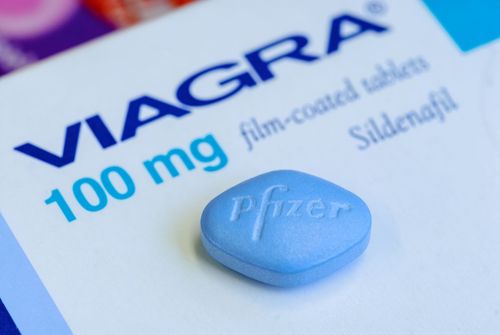
Why Viagra began as a heart drug, how it can tint your vision blue and why the FAA cares, and the hamster jet lag study that won an Ig Nobel Prize.

Read more
Cannibalism: 3 True Stories You Won't Believe

Cannibalism: 3 True Stories You Won't Believe

Which state bans cannibalism, why the CDC warned about placenta pills, and how a tribe's funeral ritual may have left a gene that fights brain disease.

Read more
The Laughing Sickness That Shut Down Schools

The Laughing Sickness That Shut Down Schools

In 1962, three schoolgirls started laughing and a whole region couldn't stop. Nobody was joking.

Read more
The Surprising Origin of the Movie Trailer

The Surprising Origin of the Movie Trailer

One of these claims about the first movie trailer is true, and one is completely made up. Can you guess which one really happened?

Read more
Your Latte Art Is Named After a Monk's Hood

Your Latte Art Is Named After a Monk's Hood

A Sunday coffee order shares its name with a monk's wardrobe and a monkey. Here's the link.

Read more
See All Content
logo
  • Sports

  • History

  • Language

  • Food

  • Tech

  • Animals

  • Sports
  • History
  • Language
  • Food
  • Tech
  • Animals
  • ​

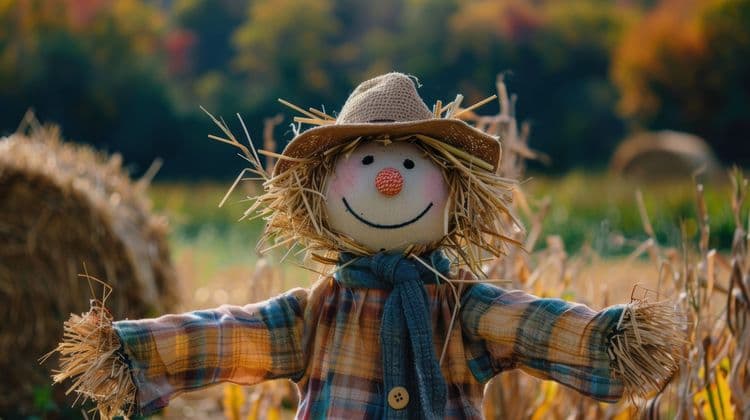
The Origins of Scarecrows Trace Back to Ancient Egypt!

The Origins of Scarecrows Trace Back to Ancient Egypt!

Scarecrows have been used for thousands of years, with their origins tracing back to ancient Egypt. Egyptian farmers placed wooden figures in their wheat fields along the Nile River to ward off flocks of quail that threatened to devour their crops. This early solution to protect harvests highlights just how long humans have been finding inventive ways to keep animals away from their food sources. The use of scarecrows in agriculture spread from culture to culture, adapting to local needs and customs.

In ancient Japan, farmers created scarecrows known as "kakashi. " These figures were dressed in old clothing and often equipped with bows and arrows to frighten away birds and small animals from rice fields. The name "kakashi" means “something that smells bad, ” as early kakashi were sometimes scented with materials like fish heads to deter animals with both sight and smell. This method reflected a practical approach to crop protection that was uniquely Japanese and contributed to the enduring tradition of scarecrows in Japanese farming.

As scarecrows made their way to Europe, they took on a different form, resembling human figures dressed in old, worn-out clothing. European farmers positioned scarecrows in fields to mimic human presence, hoping to trick birds and animals into keeping their distance. This approach was so effective that it became common across Europe, and scarecrows became a staple of rural landscapes. In North America, Indigenous peoples developed their own methods of protecting crops, using handmade dolls or mounted figures to deter animals, which served as an early form of the scarecrow before European settlers arrived.

Over the centuries, scarecrows evolved from purely functional figures to cultural symbols. In many places, they became associated with the harvest season, representing the hard work of farmers and the abundance of autumn. In modern times, scarecrows are no longer just tools for protecting crops; they have become an iconic symbol of fall and are featured as decorations in festivals, fairs, and Halloween displays. Communities even hold scarecrow-building contests and parades, celebrating these figures as a nostalgic emblem of agricultural heritage.

Today, scarecrows are cherished for both their practicality and their charm. They capture the spirit of the harvest and remind us of the resourcefulness of farmers throughout history. Whether standing in a field or decorating a front porch, scarecrows continue to be a timeless symbol of fall, representing protection, harvest, and tradition across cultures.
Related Content

History Facts

Fun Facts

10 November 2026

Post

Viagra Facts: A Heart Drug, Blue Vision and Hamsters

Why Viagra began as a heart drug, how it can tint your vision blue and why the FAA cares, and the hamster jet lag study that won an Ig Nobel Prize....

History Facts

Fun Facts

09 November 2026

Post

Cannibalism: 3 True Stories You Won't Believe

Which state bans cannibalism, why the CDC warned about placenta pills, and how a tribe's funeral ritual may have left a gene that fights brain disease....

History Facts

Fun Facts

09 November 2026

Post

The Laughing Sickness That Shut Down Schools

In 1962, three schoolgirls started laughing and a whole region couldn't stop. Nobody was joking....

History Facts

Fun Facts

09 November 2026

Post

The Surprising Origin of the Movie Trailer

One of these claims about the first movie trailer is true, and one is completely made up. Can you guess which one really happened?...

Language Facts

Fun Facts

08 November 2026

Post

Your Latte Art Is Named After a Monk's Hood

A Sunday coffee order shares its name with a monk's wardrobe and a monkey. Here's the link....

Tech Facts

Fun Facts

08 November 2026

Post

How NASA Sends Tools to Astronauts in Orbit

One of these claims about NASA and tools for astronauts is true, and one is completely made up. Can you guess which one really happened?...

History Facts

Fun Facts

08 November 2026

Post

Tattoos: The Iceman, Ink in Your Nodes (+1 More)

Ötzi's 5,300-year-old tattoos, where your tattoo ink really travels in your body, and the company that frames a dead loved one's actual tattooed skin....

History Facts

Fun Facts

07 November 2026

Post

The Taboo Word That Broke Through Ad Breaks

One of these claims about a taboo word in a 1980s TV commercial is true, and one is completely made up. Can you guess which one really happened?...

Sports Facts

Fun Facts

07 November 2026

Post

Why a Marathon Is Exactly 26.2 Miles Long

The odd number behind every marathon traces back to one summer day in London. Here's how it happened....

History Facts

Fun Facts

07 November 2026

Post

Starbucks Secrets: Pequod, the CIA and Fecal Ice

The Moby-Dick name Starbucks almost used, the secret store inside CIA headquarters and the 2017 UK investigation that found fecal bacteria in coffee shop ice....

History Facts

Fun Facts

06 November 2026

Post

Lobotomies: 3 True Stories That Sound Made Up

How lobotomies won a Nobel Prize, why a 12-year-old was operated on for being a kid, and the secret Kennedy family surgery that was hidden for decades....

Food

Fun Facts

06 November 2026

Post

The Curious Case of How Spam Got Its Name

One of these claims about how Spam got its name is true, and one is completely made up. Can you guess which one really happened?...

Language Facts

Fun Facts

06 November 2026

Post

A Frustrated Author, a Word List, and a Hat

A famous children's book began as a publisher's headache. The author hated the assignment....

Food

Fun Facts

05 November 2026

Post

The Sweet Secret Behind a Sitcom Kitchen Table

One of these claims about a famous sitcom's kitchen-table dessert is true, and one isn't. Can you guess which behind-the-scenes story really happened?...

History Facts

Fun Facts

05 November 2026

Post

The Lottery Was Rigged: 3 Wild True Stories

A fortune cookie that picked 110 winners, a live TV drawing rigged to hit 666 and the security director who rigged jackpots: three true lottery scandals....
Terms and ConditionsDo Not Sell or Share My Personal InformationPrivacy PolicyPrivacy NoticeAccessibility NoticeUnsubscribe
Copyright © 2026 Fun Fact Feed