On a remote Pacific island,you can actually harvest money from trees- and it's completely legal tender that locals use for everyday purchases.
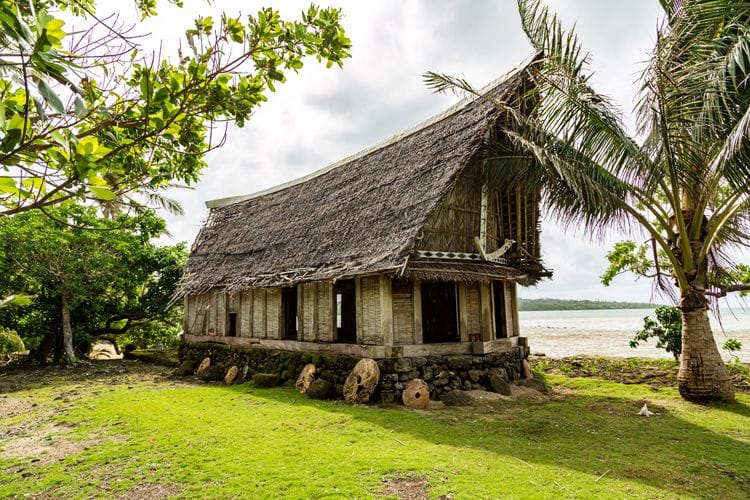
The Micronesian island of Yaphas one of the world's most unusual monetary systems.Alongside their famous giant stone coins,islanders use currency made from tree barkthat can bepeeled, processed, and spentjust like paper money.
The "money trees" are a species of mulberrywhoseinner bark has the perfect fibrous texturefor creating durable, flexible currency.Local families have harvesting rightsto specific trees thathave been passed down through generationslike valuable property.
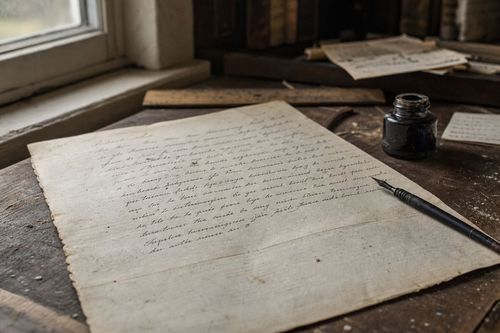
The process is sophisticated.The bark is stripped in long sheets,soaked in saltwater for weeks, thenpounded flat and driedinto paper-like sheets.Each sheet gets official government stampsthatvalidate its worthfor transactions.
Different trees produce different denominations.Older, larger trees yield bark that's worth more per sheetthan younger trees.Some ancient specimensare so valuable thatfamilies guard them jealouslyandharvest them only during financial emergencies.
Local businesses accept the tree moneyfor everything fromgroceries to taxi rides.Tourists are often shockedto see shopkeeperscarefully examining bark currencyalongside regular cash and credit cards.
The system works because the bark is incredibly difficult to counterfeit.Each tree produces bark with unique fiber patternsthat locals canidentify immediately.Fake bark is obvious to anyone familiar with the authentic texture and appearance.
Climate change threatens this ancient system.Rising sea levels and changing weather patternsarekilling some of the money trees, makingcertain denominations increasingly rareand valuable.
This Pacific island proves thatmoney really can grow on trees- if you knowwhich trees to plant.