Every fall, the scale seems to creep up right as the pies and lattes show up. It is easy to blame the menu, but a team in Canada found a quieter suspect hiding in your skin.
The story starts at the University of Alberta, where researchers were studying fat cells that make insulin in response to light. They were not hunting for a weight-loss clue at all.
While testing those cells, they noticed something unexpected. Fat cells taken from just beneath the skin shrank when exposed to blue light, the same wavelengths found in ordinary sunlight.
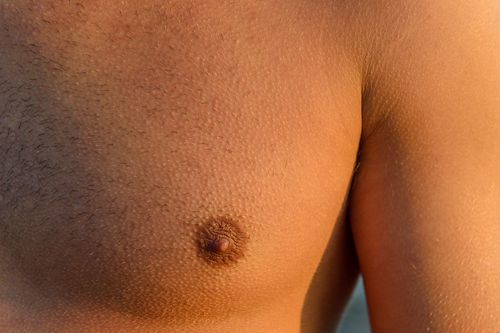
Blue light can penetrate skin and reach the fat below. There, the lipid droplets inside the cells shrank and were pushed out. The cells appeared to be using a light-sensing protein, melanopsin, the kind better known from your eyes.
The study, published in Scientific Reports in 2018, came with a delightful coincidence. The senior author's name is Peter Light. Medical News Today called the name auspicious, and it is hard to disagree.
Light suggested that too little sunlight may promote fat storage and could play a part in typical winter weight gain. As autumn days shorten, your skin simply gets less of that blue light.
Now the caveats, and they matter. Light called it an initial observation, and nobody knows how much light activates the pathway. He stressed that sunbathing is not a safe or recommended way to lose weight.