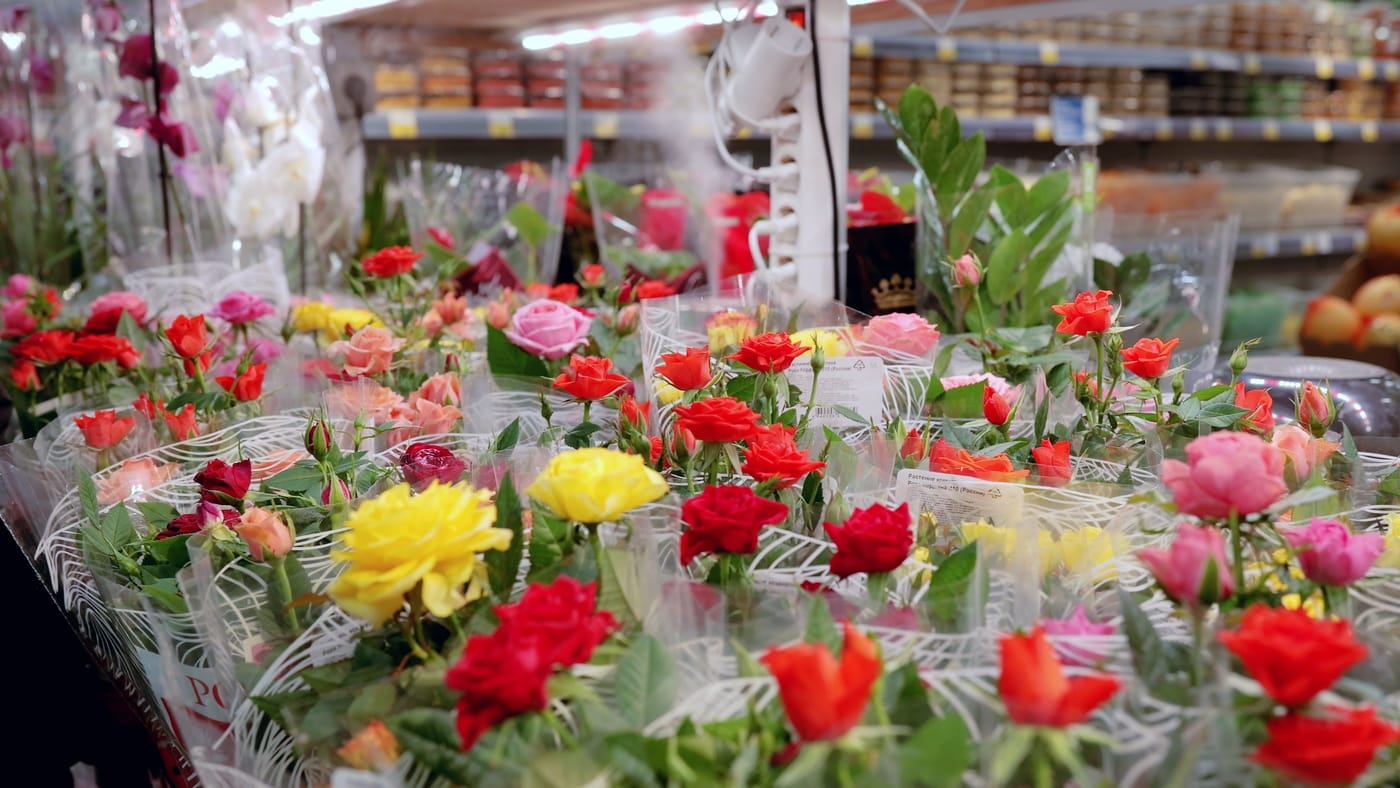
Walk into almost any grocery store and the first thing you see is flowers. Big, bright bouquets right at the entrance, every single time. You probably assumed it was just a nice touch — a little ambiance. It isn't.
Grocery stores didn't always sell flowers. The trend took off in the 1970s when Kroger began planting floral departments in its stores, and by the 1980s the chain had them in hundreds of locations. Other major grocers followed. None of them did it because they thought you needed a bouquet. They did it because of what flowers do to your brain before you've touched a single item on your list.
The mechanism is simple and a little unsettling. When you walk past fresh flowers, your senses engage — the color, the scent, the visual signal of something alive and perishable. Your brain immediately associates all of that with freshness, quality, and abundance. And that association doesn't stay with the flowers. It transfers to everything else in the store.
"If you can get someone's nose and saliva glands working, they become a much less disciplined shopper," said Paco Underhill, founder of behavioral research firm Envirosell. Less disciplined means more spending — more impulse buys, more premium items, more of everything.
Psychologists call the broader effect implicit priming — you're exposed to one stimulus and it quietly shapes how you respond to everything that follows, without you realizing it. Flowers prime you to see the store as fresh, natural, and trustworthy. A store that keeps flowers alive, the logic goes, isn't going to sell you stale food.
And the flowers themselves? They carry an average gross margin of around 47% — far higher than most of the actual food in the store. So they're not just priming you to spend more on groceries. They're also a high-profit item on their own, bought on impulse by shoppers who had no intention of picking up flowers when they walked in.
The placement isn't accidental either. Flowers go on the right side of the entrance because studies show shoppers naturally drift counter-clockwise through stores — meaning the flowers are the very first thing you encounter, before a single purchasing decision has been made.
Every detail of a grocery store — the music, the lighting, the placement of milk at the back — is engineered to keep you spending. The flowers are just the first move in a game that started before you grabbed a cart.