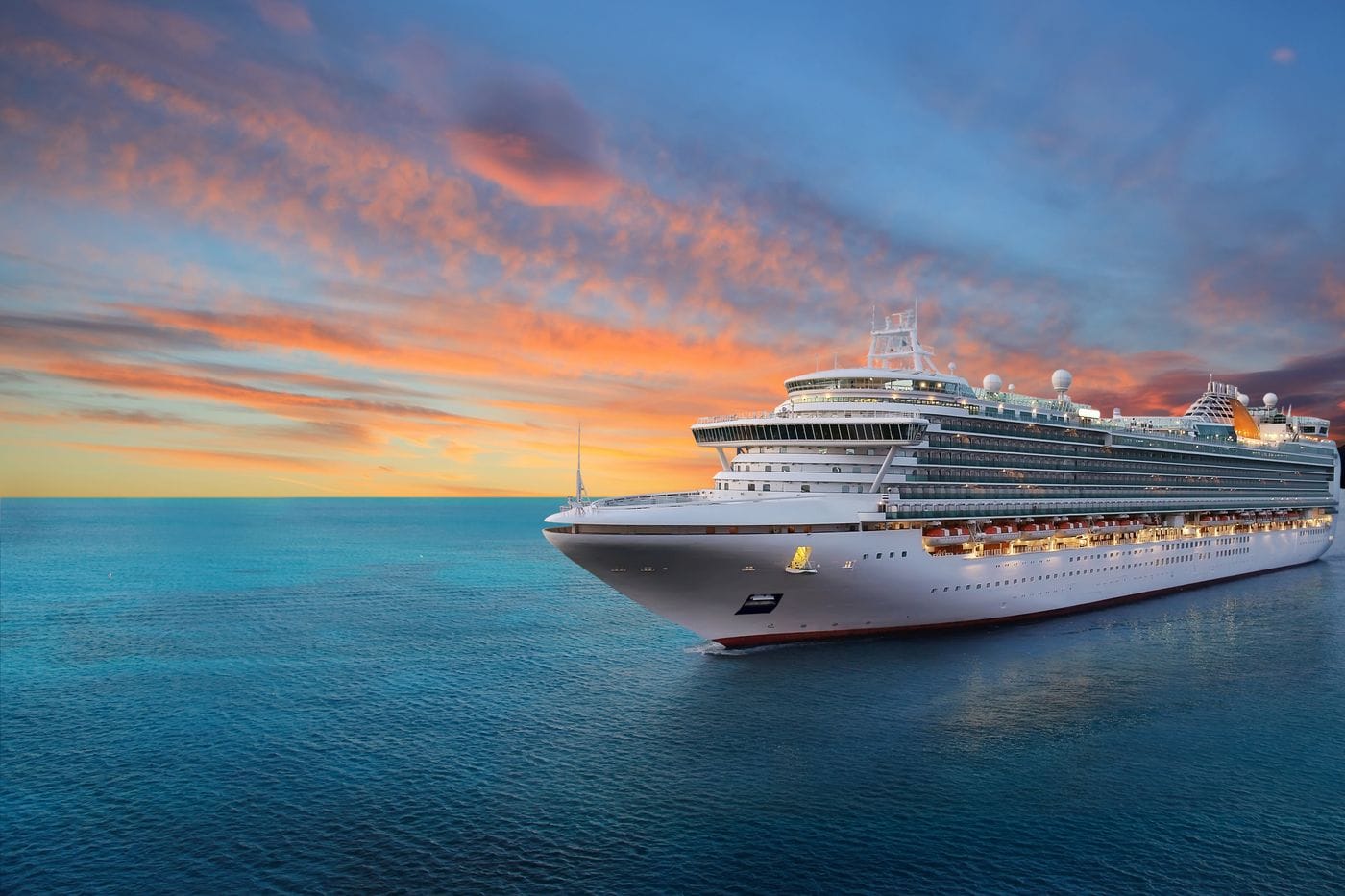
Nearly every major cruise ship sailing out of U.S. ports isn't legally American at all, including Disney's. Disney Cruise Line is headquartered in Florida, run by an American company, and sails mostly American passengers, yet its ships are registered in the Bahamas or the United Kingdom, not the United States.
This isn't a Disney-specific move. Almost every major cruise line, including Carnival, Royal Caribbean, and Celebrity, registers its ships under foreign flags like Panama, the Bahamas, or Malta, even though the companies themselves are based in the U.S.
The practice even has an official name. It's called a "flag of convenience," and it means a ship is legally governed by the labor, tax, and safety laws of whatever country it's registered in, regardless of where the company is headquartered or where the ship actually sails.
The financial upside is significant. Foreign registries let cruise lines avoid U.S. corporate taxes and sidestep U.S. minimum wage requirements entirely, while also allowing them to hire crew members from anywhere in the world instead of only American citizens.
There's also a legal technicality at play. U.S. law generally won't allow a ship to be U.S.-flagged unless it was built in the United States, and no American shipyard currently has the capacity to build vessels the size of today's largest cruise ships.
This history goes back further than most people assume. The practice of flagging ships abroad started in the 1920s, when American shipowners registered vessels in Panama specifically to serve alcohol during Prohibition. Companies kept the arrangement long after Prohibition ended, once they saw the cost savings.
This isn't just a business technicality either. If a passenger is injured, robbed, or assaulted onboard, the ship's foreign flag often means the incident falls under that country's laws, not U.S. law. Many cruise tickets also require disputes to go through arbitration in the flag country, not a U.S. court, and American consumer protection agencies generally have no jurisdiction over what happens once you're on board.
So next time a cruise ship pulls out of a Florida port under the American flag colors printed on its brochure, look at the stern. The actual flag flying there almost certainly belongs to a country the ship has never even sailed to, and that flag decides more about your trip than most passengers realize.