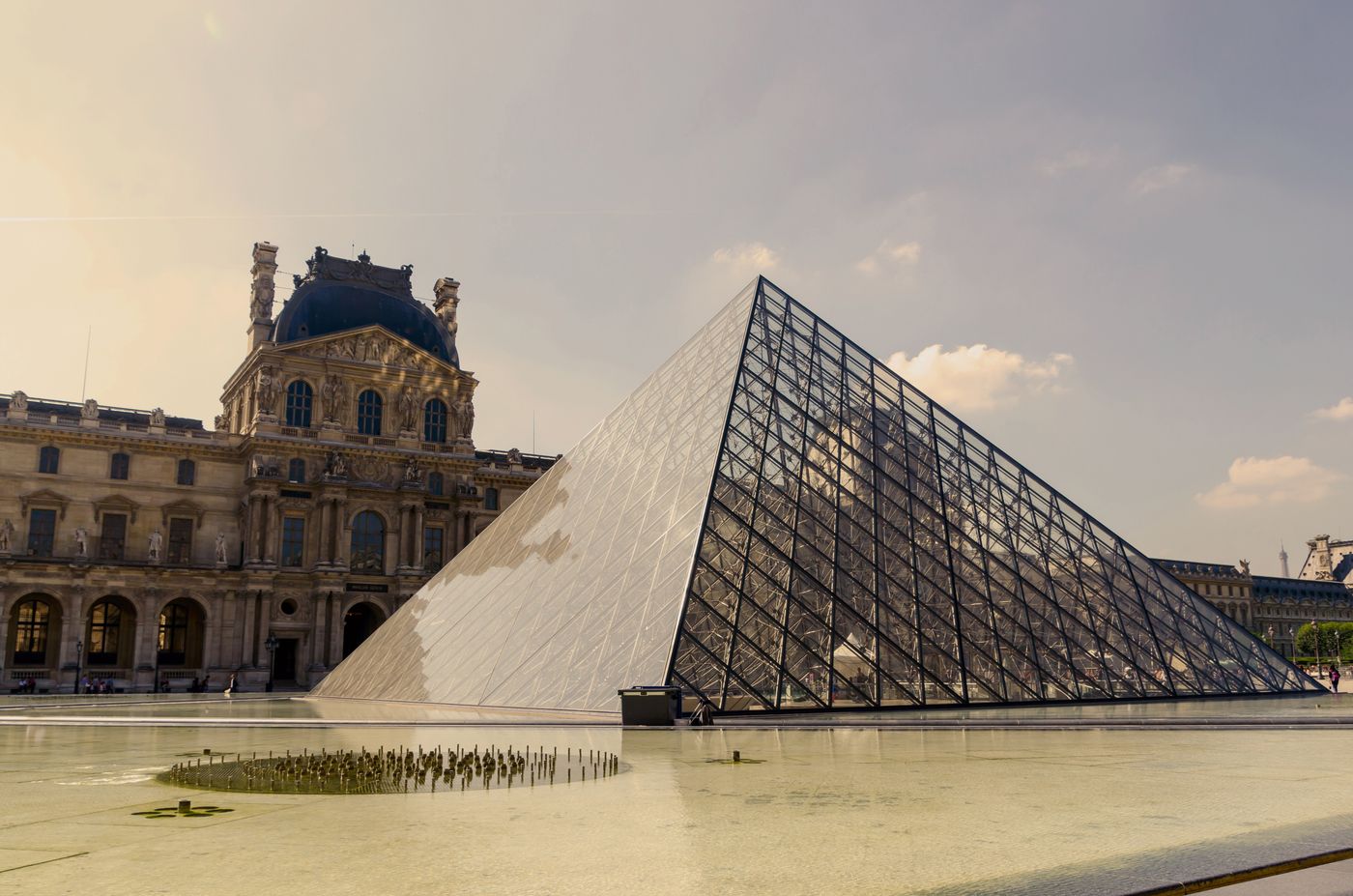
When thieves stole $102 million in crown jewels from the Louvre in 2025, France received no insurance payout at all. The museum doesn't carry private insurance on its most valuable treasures, including its most famous painting of all.
The Mona Lisa hasn't been insured in decades. The last time it carried a formal policy was in 1962, when it was valued at $100 million to travel to the United States for exhibition, a record-setting sum at the time.
France never actually paid for that coverage. Instead of paying the insurance premium, the French government redirected those funds into security and safe transportation for the painting, reasoning that prevention mattered more than a payout ever could.
That 1962 valuation, adjusted for inflation, would be worth roughly $900 million to over $1 billion today. Yet the painting has had no formal insurance policy since, despite being the single most visited artwork on Earth.
The reason comes down to basic insurance math. Standard insurance policies are built around replacement value, but there's no way to replace or repurchase the Mona Lisa, since it's legally classified as inalienable French property that can never be sold under any circumstances.
Without a sale price or a replacement option, insurers have nothing to base a policy on. The Louvre essentially "self-insures" instead, pouring resources directly into security, climate control, and preservation rather than into a policy that would only pay out after a disaster.
The recent jewel heist made that gap painfully clear. The stolen crown jewels were also uninsured for the same reason, meaning France absorbed the entire $102 million loss with no payout coming from anywhere.