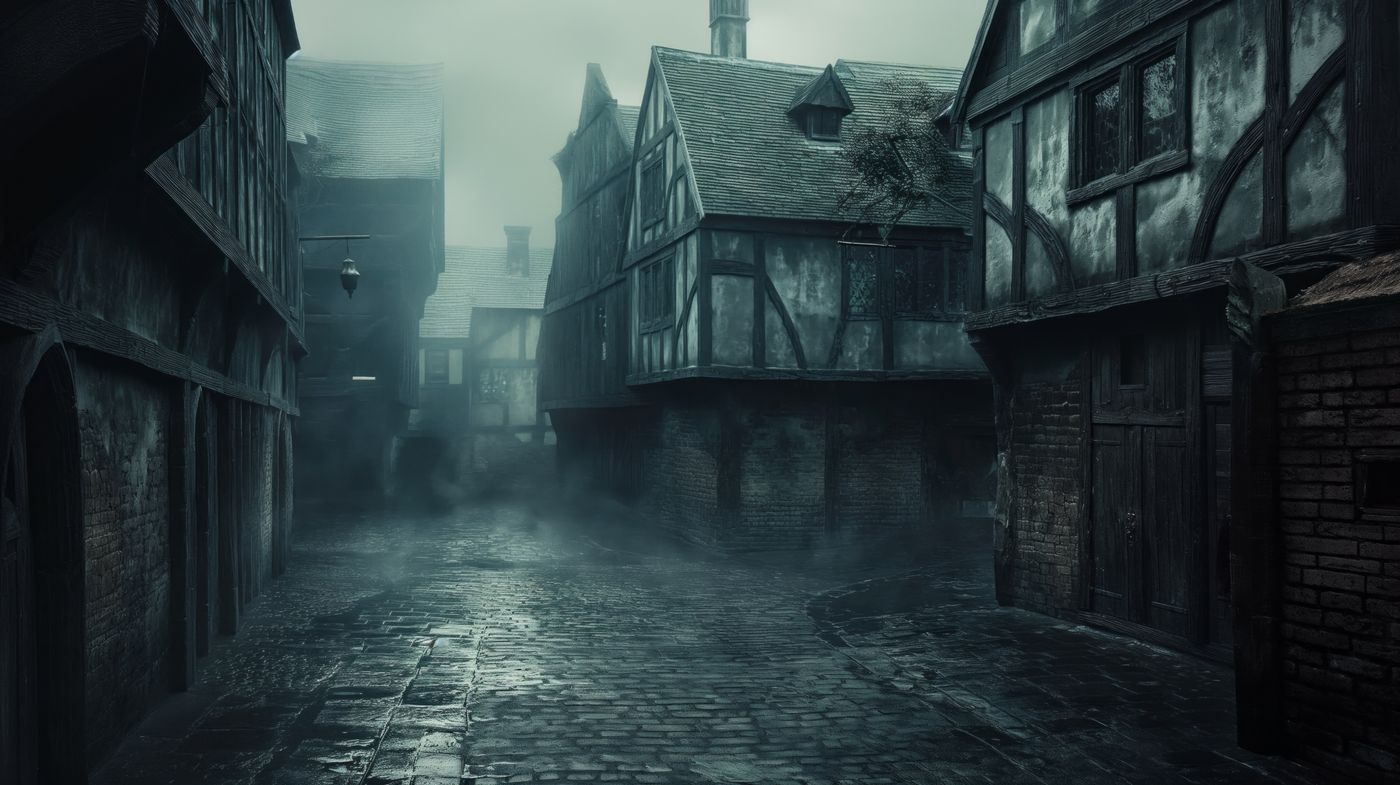
In July 1518, a woman named Frau Troffea stepped into the street in Strasbourg and began to dance. She didn't stop. Not that day, not the next, ignoring her husband's pleas and her own bleeding, swollen feet.
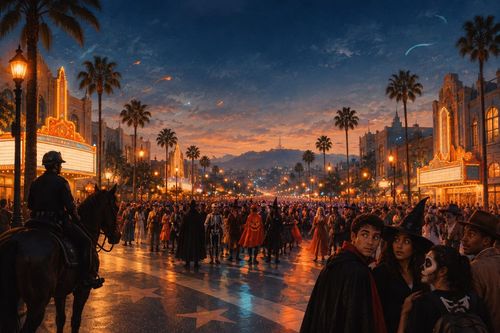
Within a week, she wasn't alone. More than 30 other people had joined her, dancing uncontrollably in the streets with no music and no apparent ability to stop themselves.
The numbers kept climbing from there. By the end of the month, as many as 400 people were caught up in the same compulsive dancing, collapsing from exhaustion, heart attacks, and in some accounts, dancing until they died.
City officials, desperate for a solution, made a decision that seems almost unbelievable now. They hired musicians and professional dancers, believing the cure for uncontrollable dancing was simply more dancing. It only made things worse.
Doctors at the time offered their own explanation. Physicians diagnosed the dancers with "hot blood," a medical theory claiming an internal overheating was driving their bodies to move uncontrollably.
Modern historians have proposed several competing theories since. One leading explanation points to mass psychogenic illness triggered by extreme famine, disease, and social unrest gripping the city that year. Another theory blames ergot, a toxic mold that grows on damp rye and can cause hallucinations and spasms.
Neither theory fully satisfies historians who've studied the event closely. The dancers' movements were described as full, coordinated dancing rather than the spasms typical of ergot poisoning, and no single explanation accounts for every detail eyewitnesses recorded.