In 2011, researchers at the University of Rochester published a study in the journal Emotion with a finding that sounds like it shouldn't be true: when people see the color red, their physical reactions become measurably faster and more forceful. Not marginally. Not in ways that require careful statistical analysis to detect. The effect was consistent, significant, and — most strangely — completely invisible to the people experiencing it. Nobody knew the color was changing what their body was doing.
The mechanism is evolutionary. Red is one of the most ancient threat signals in human biology — the color of blood, of an enraged face flushing with anger, of an animal preparing to attack. The brain processes red as a danger cue before conscious awareness catches up, triggering a cascade of physiological responses: elevated heart rate, increased respiration, a surge of energy mobilized for fight or flight. In the right context — a sudden physical task requiring brute force or speed — that surge translates directly into measurable performance improvement. The body is preparing for a threat that isn't there.
But the effect cuts both ways. The same threat response that boosts physical reactions also floods the brain with worry and self-preoccupation — which is why red has been found to hurt performance on cognitive tasks. Students exposed to red before an exam perform measurably worse. Athletes competing against opponents wearing red are more likely to lose, even when controlling for skill level — not because red makes them weaker, but because seeing an opponent in red triggers a subtle anxiety response that taxes mental resources. The color is simultaneously a physical stimulant and a cognitive disruptor, depending on what you're being asked to do.
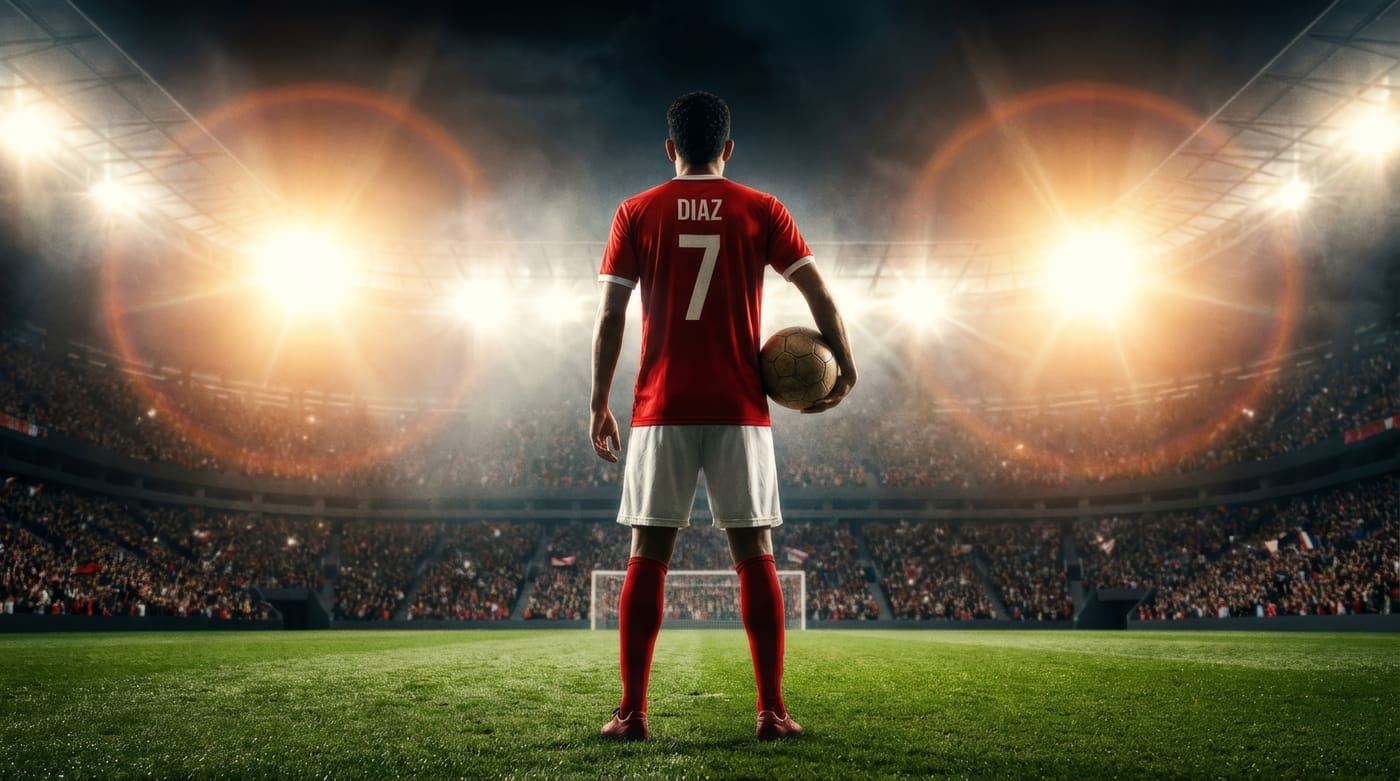
A 2005 study by Durham University researchers analyzed results from four combat sports at the 2004 Athens Olympics — boxing, taekwondo, Greco-Roman wrestling, and freestyle wrestling — in which competitors were randomly assigned red or blue uniforms. Athletes wearing red won significantly more often across all four sports. The assignment was random, meaning the red-wearing athletes were no more skilled on average than the blue-wearing ones. The color itself appeared to be conferring a genuine competitive advantage — either through the wearer's own physiological boost, or through the effect of red on the opponent's threat response, or both.
Some coaches took a different approach: instead of dressing their own team in red, they used color psychology against their opponents. The most famous example is Hayden Fry, head football coach at the University of Iowa, who in 1979 painted the visiting team's locker room entirely pink — walls, ceiling, lockers, urinals. Fry had read research suggesting pink had a calming, weakening effect on muscle strength, and believed that softening the opposing team's aggression before they even took the field would give Iowa an advantage. The tactic worked well enough that it became controversial — visiting coaches complained, covered the walls with paper, and eventually the practice prompted debate in athletic regulatory circles. The locker room is still pink today.
The color psychology of sports has since become a serious area of study and deliberate strategy. Multiple major soccer leagues have analyzed whether teams wearing red win at statistically higher rates at home — where they more consistently wear their primary colors — and found modest but consistent effects across large datasets. Manchester United, Liverpool, Arsenal — the most historically successful clubs in English football all wear red as their primary color, a correlation that researchers have noted without being able to fully untangle causation from coincidence.
What makes all of this genuinely unsettling is the part about awareness. In every study measuring red's effect on physical performance, participants had no idea the color was influencing them. They felt stronger, or they felt threatened, or they performed worse on a test — and attributed it to something else entirely. The color operated below the threshold of conscious perception, hijacking physiological systems that evolved long before humans had words for what was happening to them. You can know about the effect and still not be immune to it. The brain doesn't wait for permission.
The most powerful color in sports isn't a logo choice or a tradition. It's a threat signal your nervous system inherited from millions of years of evolution — and some coaches figured out how to aim it.