Teeth seem simple until you look closer. Your mouth holds a dark piece of American history, a possible clue about your brain and a surgery that sounds like a prank. All three stories below sound made up, but they are true.
1. What were George Washington's teeth really made of?
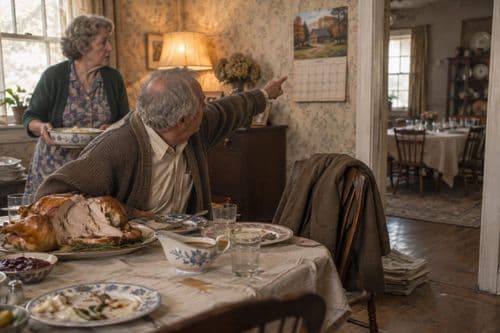
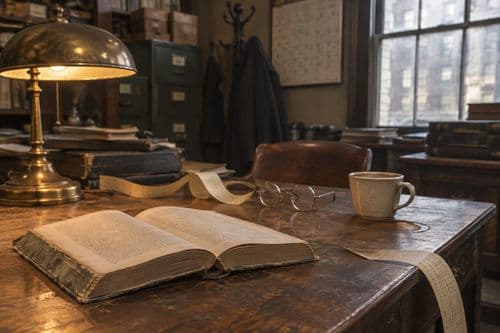
Not wood. That story is a myth. His dentures were built from hippopotamus ivory, human teeth, metal and brass nails, and a Mount Vernon ledger from May 1784 records him paying enslaved people for teeth.
The entry reads, "By cash pd Negroes for 9 Teeth on Acct of Dr. Lemoin." That was the dentist Jean Pierre Le Mayeur. Washington had only one natural tooth left by his 1789 inauguration.
The caveats matter. Mount Vernon says those teeth could have gone to any of the dentist's patients, so the ledger doesn't prove they ended up in Washington's mouth. It also says it is unknown whether the people were forced to give them up. Historians still see it as a stark reminder that 317 people were enslaved at Mount Vernon when he died.
2. Could your gums be connected to your brain?
Possibly. A 2019 study in Science Advances found Porphyromonas gingivalis, the key bacterium behind gum disease, in the brains of people who died with Alzheimer's. Its DNA also turned up in the spinal fluid of living patients.
The researchers also found the bacterium's toxic enzymes, called gingipains, in more than 90% of the Alzheimer's brain samples they examined.
Now the caution. This shows a link, not proof that gum disease causes Alzheimer's. The study was sponsored by a biotech startup, and even some scientists who like the idea aren't convinced. Still, flossing is cheap, so maybe keep doing it.
3. Can a tooth really restore someone's sight?
Yes. Doctors in Vancouver took a blind man's own canine tooth and implanted it in his eye. The patient, Brent Chapman, had been blind since age 13, after a severe reaction to ibuprofen.
Surgeons shaved the tooth into a small block and fitted a plastic optical lens inside it. First they grew it in his cheek for several months so soft tissue could surround it. Then they moved it to his eye. Because it's his own tooth, rejection is less likely.
Chapman had already had more than 50 surgeries, and most had failed. Right after this one he could perceive movement, and after a final surgery he reportedly reached 20/30 vision. The technique dates to the 1960s and is a last resort when the retina and optic nerve are still healthy.