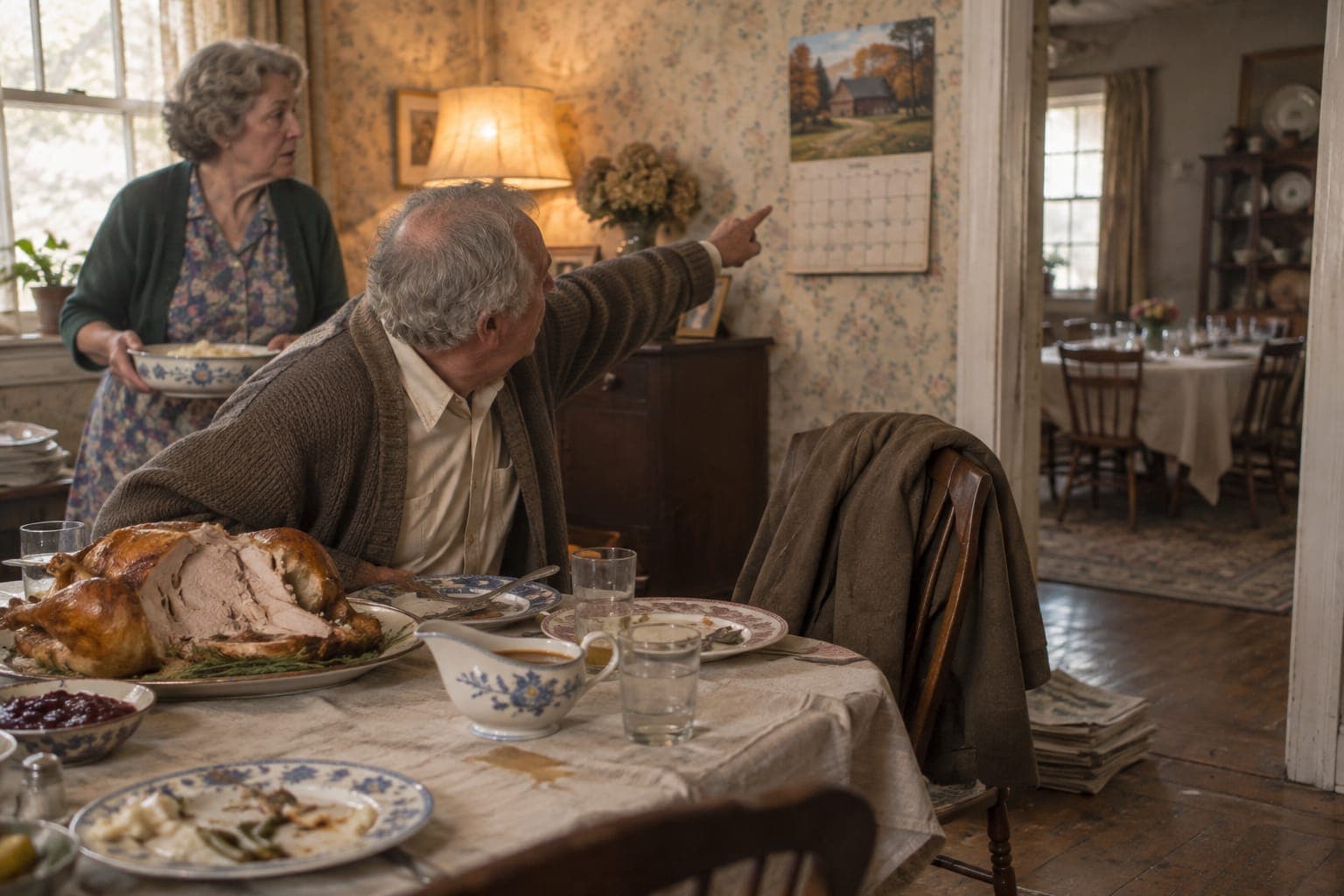
In 1939, Americans had to ask a question that sounds absurd today: which Thursday is Thanksgiving? The country split, and families, schools and football games got caught in the middle.
The trouble began with the calendar. November 1939 had five Thursdays, so the traditional last-Thursday holiday would land on the 30th, leaving a very short stretch of holiday shopping.
Retailers noticed. Fred Lazarus Jr., head of Federated Department Stores, urged President Franklin Roosevelt to move the holiday up a week, and the president agreed, declaring Thanksgiving for November 23.
But a presidential proclamation couldn't force the states to follow. Some governors went along, others refused, and a few states, including Colorado, Mississippi and Texas, ended up observing both dates. Exact counts vary by source.
The new date picked up a nickname: "Franksgiving." The early date was also called the "Democratic Thanksgiving," followed a week later by the "Republican Thanksgiving." Roosevelt carved his turkey at Warm Springs, Georgia.
Did it help business? A survey of 200 stores found no real economic benefit. Even so, Roosevelt kept the earlier date for two more years, and the split continued across the country.
Congress finally settled it on December 26, 1941, setting Thanksgiving on the fourth Thursday of November. Texas held out longest, observing the last Thursday until 1956.