Fun Facts

Trending Now

The Accidental Invention Behind Beaded Ice Cream

The Accidental Invention Behind Beaded Ice Cream

One of these claims about a famous beaded ice cream's strange origin is true, and one isn't. Can you guess which one really happened?

Read more
A Command Sent Today Won't Land Until Tomorrow

A Command Sent Today Won't Land Until Tomorrow

A NASA probe is about to hit a milestone no other human-made object has reached.

Read more

The Wild Story of a Broken Tour de France Bike

One of these claims about an early Tour de France mishap is true, and one isn't. Can you guess which story really happened? Find out inside.

Read more
The Year America Served Two Thanksgivings

The Year America Served Two Thanksgivings

In 1939, families argued over which Thursday was the real one. A retailer's pitch started it all.

Read more
A Siberian Tomb Just Failed a 2,800-Year-Old Drug Test

A Siberian Tomb Just Failed a 2,800-Year-Old Drug Test

Researchers tested a princely tomb in southern Siberia and found something surprising in the hair.

Read more
See All Content
logo
  • Sports

  • History

  • Language

  • Food

  • Tech

  • Animals

  • Sports
  • History
  • Language
  • Food
  • Tech
  • Animals
  • ​

Why Your Body Starts Waking Up an Hour Before Your Alarm

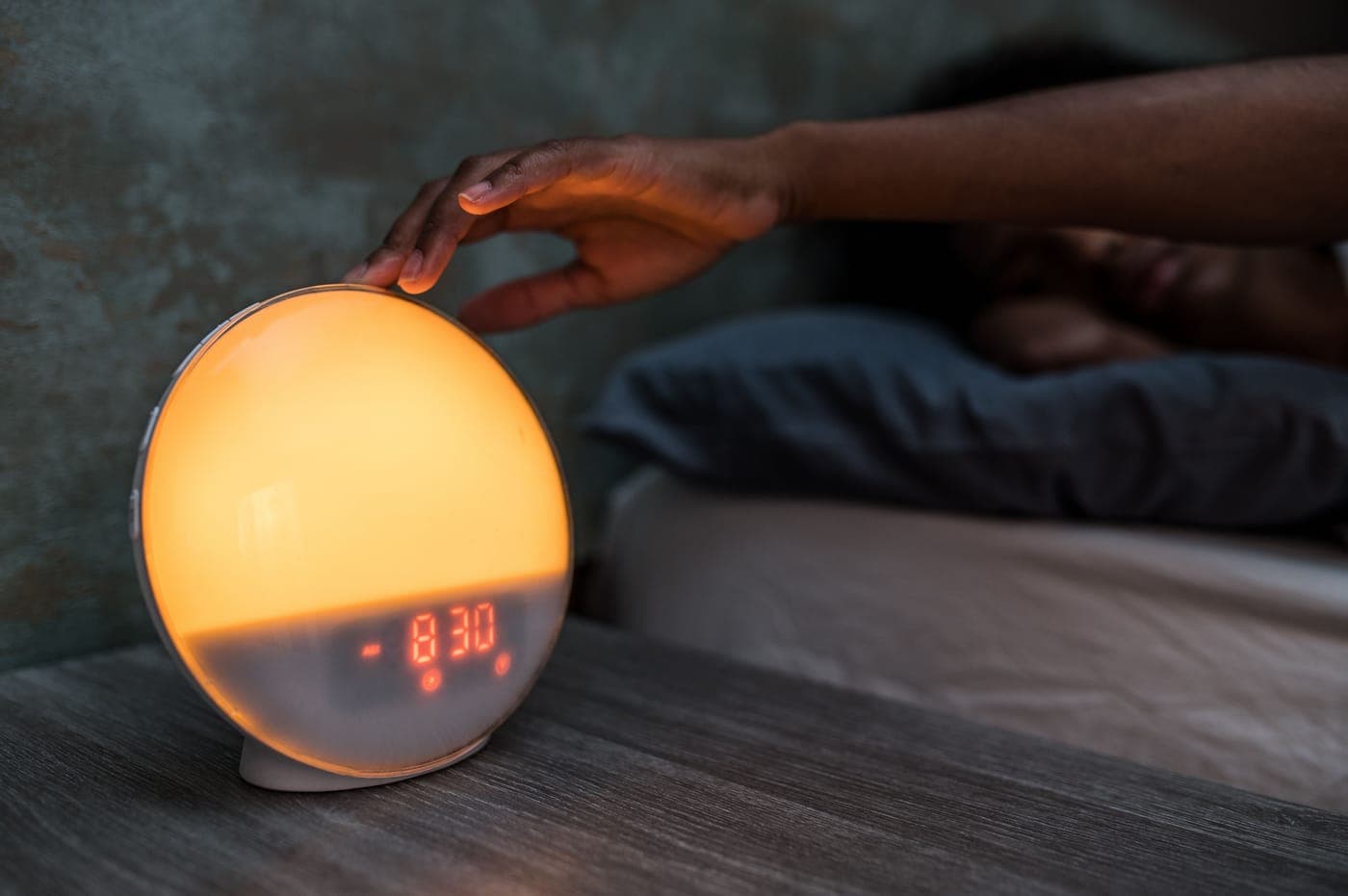
Alarm clock morning wake up

If you've ever opened your eyes a few minutes before your alarm sounds, that wasn't coincidence or luck. It was your body's internal clock doing exactly what it was designed to do — and the alarm, when it finally went off, was arriving late to a process that had already been running for up to an hour.

Your body operates on a roughly 24-hour internal schedule called the circadian rhythm, governed by a region of the brain called the suprachiasmatic nucleus. This clock doesn't just regulate when you feel sleepy — it coordinates hormone release, body temperature, metabolism, and dozens of other processes on a precise daily schedule, all calibrated around your expected wake time. And in the hours before that wake time, it quietly begins preparing your body to be conscious again.

The key player in this process is cortisol. Often called the stress hormone, cortisol's morning role is better described as a preparation hormone. In the hours before your expected wake time, cortisol levels begin climbing — raising blood sugar to provide energy, increasing alertness, and priming the cardiovascular system for activity. Your body temperature also starts rising, and melatonin — the hormone that keeps you asleep — begins to fall. By the time your alarm sounds, many of the physiological shifts associated with waking have already happened. The alarm didn't initiate them. It just confirmed the schedule your body was already running.

What makes this more interesting is that the timing is learned. People who consistently wake at the same time begin anticipating that wake time more reliably than people with irregular schedules. The brain registers the pattern and begins coordinating the hormonal sequence earlier and more precisely over time. People who regularly wake before their alarm aren't unusually light sleepers or anxious — their circadian system has simply been trained by repetition to run the sequence on schedule.

Sleep architecture plays a role too. Sleep moves through roughly 90-minute cycles, alternating between light sleep, deep sleep, and REM. In the final hours before natural wake time, the cycles shift — deep sleep stages shorten and light sleep stages lengthen. This means that by the time your alarm is set to go off, you're likely already in a lighter stage of sleep than you were at midnight. Waking up feels easier not because the alarm is gentle, but because your body positioned you closer to wakefulness before it arrived.

This is also why alarm clocks can feel so brutal when they interrupt the wrong part of a sleep cycle. A person woken suddenly from deep sleep experiences sleep inertia — that groggy, disoriented feeling that can persist for 30 minutes or more. A person whose body has already moved into light sleep wakes up feeling relatively alert, not because they slept better, but because the timing happened to align. The alarm landed at the right moment in the cycle, or the body had already done the work of moving them there.

The practical implication is straightforward: a consistent sleep schedule doesn't just make you feel better — it makes your body's internal clock more precise. The more regularly you wake at the same time, the more reliably your circadian rhythm will begin its preparation sequence at the right moment, and the more likely you are to open your eyes before the alarm. People with highly irregular sleep schedules lose this calibration, forcing their body to rely on an external jolt rather than an internal one.

Your alarm clock is less a wake-up tool and more a backup system. On the mornings it works perfectly, your body already finished the job.

Related Content

History Facts

Fun Facts

10 November 2026

Post

A Hostage Waits at the Palace Whenever the King Visits

Every year, a politician is held at a palace so the monarch comes home safe. Here's why....

History Facts

Fun Facts

10 November 2026

Post

The Strange Story of Gunpowder and Pigeon Droppings

One of these claims about England's old gunpowder-and-pigeon-dung business is true, and one isn't. Can you guess which one really happened?...

History Facts

Fun Facts

10 November 2026

Post

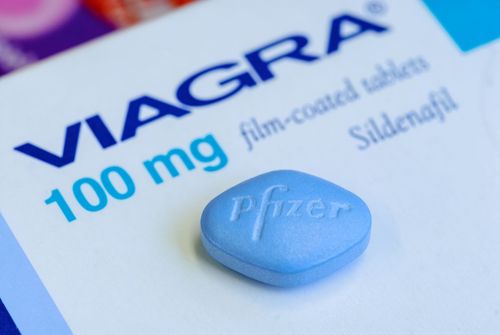
Viagra Facts: A Heart Drug, Blue Vision and Hamsters

Why Viagra began as a heart drug, how it can tint your vision blue and why the FAA cares, and the hamster jet lag study that won an Ig Nobel Prize....

History Facts

Fun Facts

09 November 2026

Post

Cannibalism: 3 True Stories You Won't Believe

Which state bans cannibalism, why the CDC warned about placenta pills, and how a tribe's funeral ritual may have left a gene that fights brain disease....

History Facts

Fun Facts

09 November 2026

Post

The Laughing Sickness That Shut Down Schools

In 1962, three schoolgirls started laughing and a whole region couldn't stop. Nobody was joking....

History Facts

Fun Facts

09 November 2026

Post

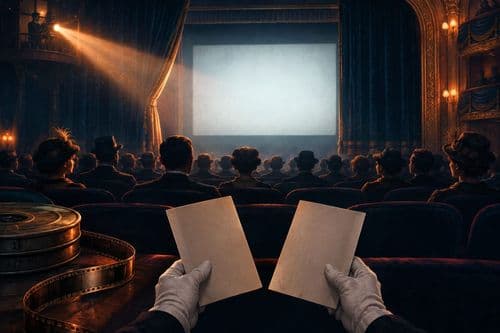
The Surprising Origin of the Movie Trailer

One of these claims about the first movie trailer is true, and one is completely made up. Can you guess which one really happened?...

Language Facts

Fun Facts

08 November 2026

Post

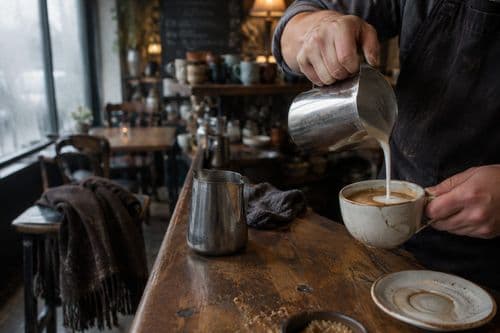
Your Latte Art Is Named After a Monk's Hood

A Sunday coffee order shares its name with a monk's wardrobe and a monkey. Here's the link....

Tech Facts

Fun Facts

08 November 2026

Post

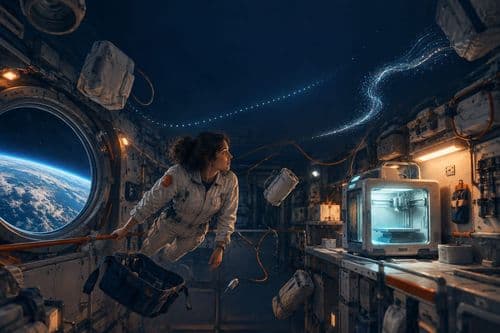
How NASA Sends Tools to Astronauts in Orbit

One of these claims about NASA and tools for astronauts is true, and one is completely made up. Can you guess which one really happened?...

History Facts

Fun Facts

08 November 2026

Post

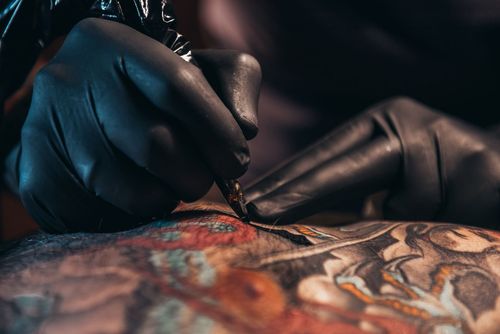
Tattoos: The Iceman, Ink in Your Nodes (+1 More)

Ötzi's 5,300-year-old tattoos, where your tattoo ink really travels in your body, and the company that frames a dead loved one's actual tattooed skin....

History Facts

Fun Facts

07 November 2026

Post

The Taboo Word That Broke Through Ad Breaks

One of these claims about a taboo word in a 1980s TV commercial is true, and one is completely made up. Can you guess which one really happened?...

Sports Facts

Fun Facts

07 November 2026

Post

Why a Marathon Is Exactly 26.2 Miles Long

The odd number behind every marathon traces back to one summer day in London. Here's how it happened....

History Facts

Fun Facts

07 November 2026

Post

Starbucks Secrets: Pequod, the CIA and Fecal Ice

The Moby-Dick name Starbucks almost used, the secret store inside CIA headquarters and the 2017 UK investigation that found fecal bacteria in coffee shop ice....

History Facts

Fun Facts

06 November 2026

Post

Lobotomies: 3 True Stories That Sound Made Up

How lobotomies won a Nobel Prize, why a 12-year-old was operated on for being a kid, and the secret Kennedy family surgery that was hidden for decades....

Food

Fun Facts

06 November 2026

Post

The Curious Case of How Spam Got Its Name

One of these claims about how Spam got its name is true, and one is completely made up. Can you guess which one really happened?...

Language Facts

Fun Facts

06 November 2026

Post

A Frustrated Author, a Word List, and a Hat

A famous children's book began as a publisher's headache. The author hated the assignment....
Terms and ConditionsDo Not Sell or Share My Personal InformationPrivacy PolicyPrivacy NoticeAccessibility NoticeUnsubscribe
Copyright © 2026 Fun Fact Feed