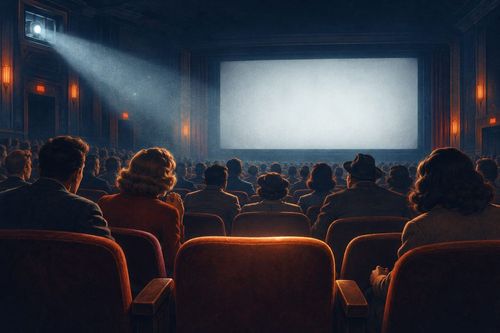
In the 1950s, television was brand new, and advertisers were desperate to find spokespeople Americans would trust without question. Nothing screamed credibility louder than a man in a white coat with a stethoscope around his neck.
So cigarette companies did something that sounds absurd today: they hired actual physicians, or actors dressed as them, to appear in commercials recommending specific cigarette brands. The tagline "More doctors smoke Camels than any other cigarette" ran for years and was backed by a real survey.
That survey wasn't exactly scientific. Camel representatives handed out free packs to doctors at medical conventions, then asked those same doctors what brand they smoked, virtually guaranteeing the answer they wanted.
Other brands piled on with their own medical theater. Chesterfield ran ads claiming a panel of physicians found "no adverse effects" in the throats of smokers who tested their cigarettes for months. Viceroy even used the phrase "as your dentist would recommend" alongside a smiling man holding dental tools.
These weren't fringe companies running shady late-night spots. This was mainstream, prime-time advertising, often airing during the same broadcasts that families gathered around for wholesome entertainment.
The strategy worked because postwar Americans had an almost religious faith in science and expertise. A man who looked like a doctor telling you a product was safe carried more weight than any government warning label would decades later.
It took until 1964 for the Surgeon General's report to finally connect smoking to cancer in a way the public couldn't ignore, and years more before doctor-endorsed cigarette ads disappeared from television for good.