If you woke up this morning with an extra hour, you can thank Congress, plus a few industries you'd never suspect. Here are three daylight saving time facts that sound made up, and every single one of them is true.
1. Who daylight saving time was really for
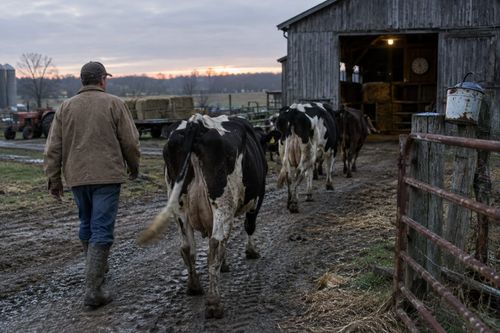
Not farmers. In fact, farmers have long been the leading group against it. Daylight saving time first came to the U.S. in 1918, and the agriculture industry lobbied against it from the start.
Farmers work by the sun, not the clock. Moving the clocks forward left them out of step with the towns and businesses they depended on, and farm opposition helped get the national program repealed right after World War I.
The real fans were businesses that make money when people stay out later. At 1980s hearings, the golf industry told Congress an extra month of daylight saving was worth $200 million in clubs and greens fees, and the barbecue industry pitched $100 million more in grills and charcoal.
2. Why it's still light out on Halloween
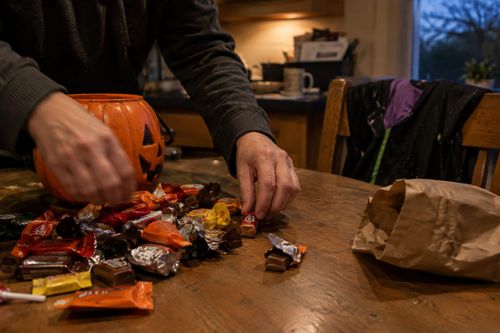
For decades, candy makers lobbied to stretch daylight saving time past Halloween, figuring an extra hour of daylight meant longer trick-or-treating and more candy sold.
At the 1985 congressional hearings on daylight saving, the industry put candy pumpkins on the seat of every senator. It didn't work: the law passed the next year still ended daylight saving on the last Sunday in October, before Halloween.
Candy makers finally got their wish two decades later. A 2005 energy bill moved the end of daylight saving time to the first Sunday in November, just in time to cover Halloween. It took effect in 2007, and it's why the clocks fell back this weekend instead of last.
3. The twins the time change flipped
In November 2016, at Cape Cod Hospital in Massachusetts, Samuel Peterson was born at 1:39 a.m. His twin brother, Ronan, arrived 31 minutes later. In between, daylight saving time ended.
The clocks fell back an hour, so Ronan's official birth time became 1:10 a.m., making him the older twin on paper even though he was born second. The hospital's veteran maternity nurse said it was the first time she'd seen it in more than 40 years.
It wasn't the first time it happened, though. In 2007, a North Carolina mother had twins on fall-back night, too: her son was born first, but her daughter, born 34 minutes later, is officially older. It can only happen in one hour on one night of the year.