Fun Facts

Recent Content

The History of the New Year's Baby vs Old Man Time

The History of the New Year's Baby vs Old Man Time

The New Year's Baby and Old Man Time mascots symbolize the year changing. Both were invented by political cartoonists in the 1800s to sell newspapers.

Read more
Why 80% of New Year's Resolutions Fail by February

Why 80% of New Year's Resolutions Fail by February

80% of New Year's resolutions fail by February. Brain science explains why we're biologically terrible at keeping them—and why January 1st makes it worse.

Read more
The First Ball Drop Almost Killed People

The First Ball Drop Almost Killed People

The 1907 Times Square ball was 700 pounds of iron and wood. It nearly fell during the first drop, almost killing the crowd below.

Read more
How January 1st Became New Year's Day

How January 1st Became New Year's Day

Julius Caesar picked January 1st as New Year's Day in 46 BC. Before that, the new year was March 1st—which is why our month names don't make sense.

Read more
Why Boxing Day Is Called Boxing Day

Why Boxing Day Is Called Boxing Day

Boxing Day started as the one day British servants got off after working Christmas. They received boxes of leftovers and tips from their employers.

Read more
See All Content
logo
  • Sports

  • History

  • Language

  • Food

  • Tech

  • Animals

  • Sports

  • History

  • Language

  • Food

  • Tech

  • Animals

  • ​
    ​

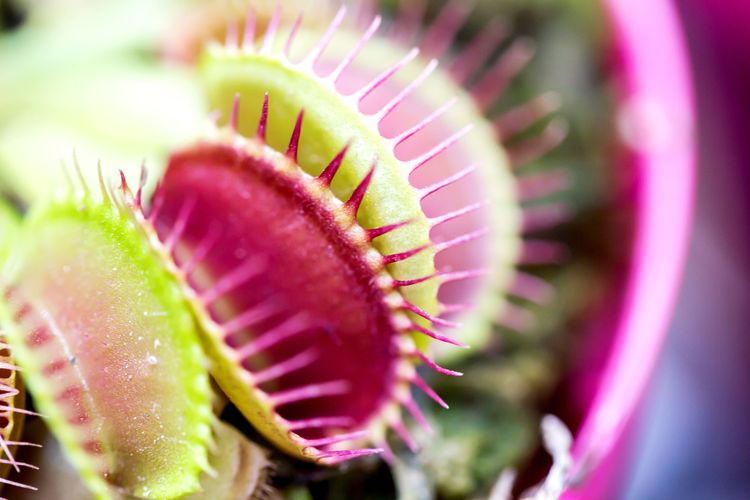
Venus Flytraps Count to 5 Before They Eat You

Venus Flytraps Count to 5 Before They Eat You

Did you know that Venus flytraps can actually COUNT?

That's right - these fascinating carnivorous plants don't just snap shut at the first touch. They're actually counting the number of times their trigger hairs are stimulated!

When an insect first touches the sensitive hairs inside a Venus flytrap's "mouth," the plant doesn't immediately close. Instead, it waits for a SECOND touch within about 20 seconds before snapping shut.

This brilliant evolutionary mechanism helps the plant conserve energy by making sure it's not closing on raindrops, debris, or other non-nutritious objects.

But the counting doesn't stop there! After closing, the trap counts THREE MORE touches (for a total of FIVE) before it begins secreting digestive enzymes. Only then does it start the 5-10 day process of digesting its prey.

Scientists believe this counting ability works through electrical signals and calcium ion storage - essentially a basic form of plant "memory"!


Related Content

Terms and ConditionsDo Not Sell or Share My Personal InformationPrivacy PolicyPrivacy NoticeAccessibility NoticeUnsubscribe
Copyright © 2026 Fun Fact Feed