Animal Facts

Trending Now

Burning Black Cats: The Grim Halloween Tradition

Burning Black Cats: The Grim Halloween Tradition

One of these black cat burning claims is true, one is totally made up. Find out which dark Halloween tradition really happened.

Read more
The 1952 London Fog So Thick It Stopped Everything

The 1952 London Fog So Thick It Stopped Everything

One of these claims about London's deadly 1952 smog is true, the other totally made up. Find out which eerie detail really happened.

Read more
The Ointment Behind the Flying Witch Legend

The Ointment Behind the Flying Witch Legend

Witches on broomsticks weren't just a fairy tale image. There's a real, strange reason it stuck.

Read more
The Near-Miss Name Behind a Famous Anatomy Term

The Near-Miss Name Behind a Famous Anatomy Term

Researchers almost gave a major discovery a wildly different, much goofier name.

Read more
The Creepy Pre-Halloween Night History Forgot

The Creepy Pre-Halloween Night History Forgot

One of these old Cabbage Night claims is true, the other made up. Find out which eerie pre-Halloween tradition really happened.

Read more
See All Content
logo
  • Sports

  • History

  • Language

  • Food

  • Tech

  • Animals

  • Sports
  • History
  • Language
  • Food
  • Tech
  • Animals
  • ​

Touch First, Decide Later: How an Octopus Works

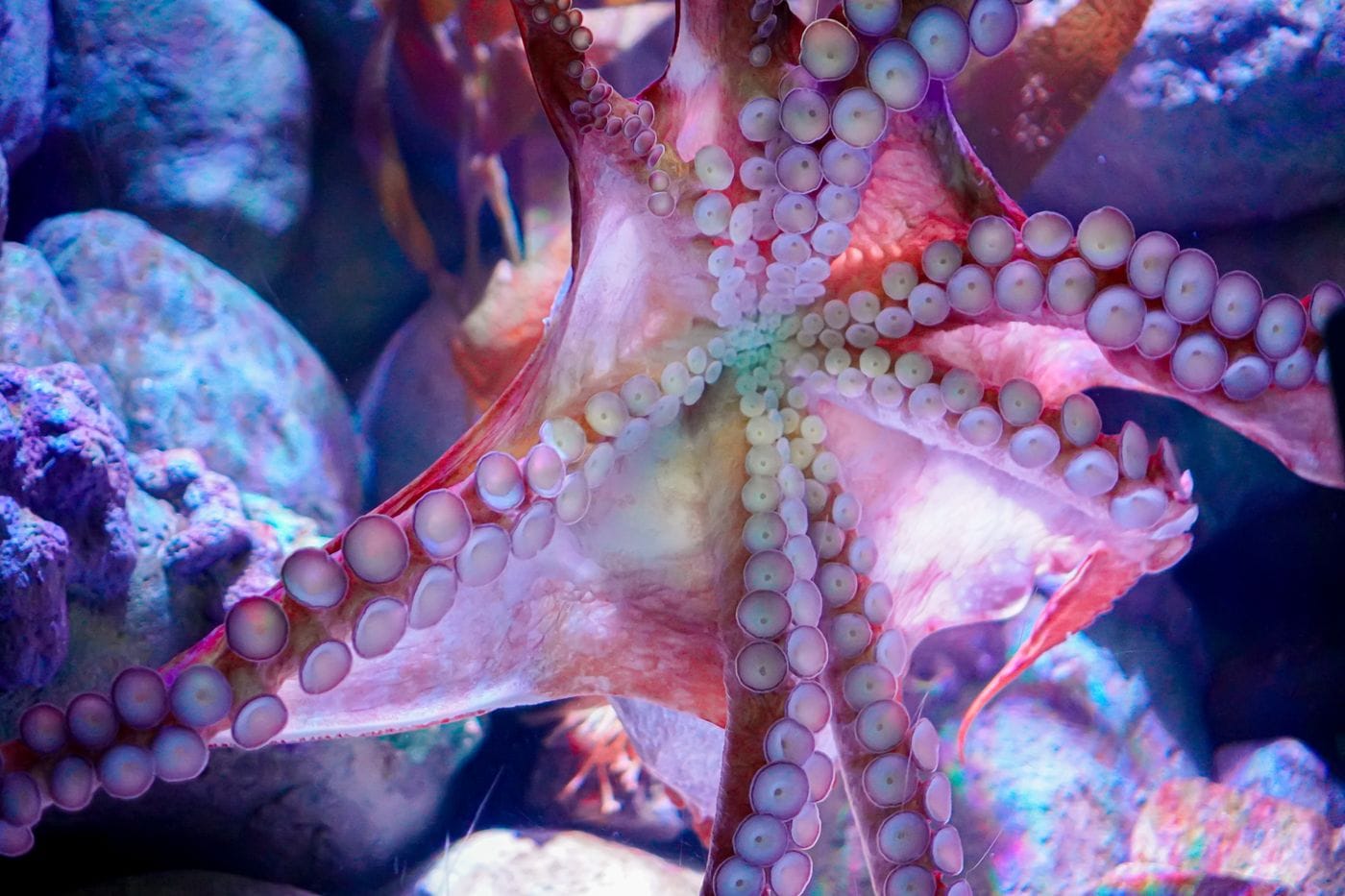
Close up of octopus arm suckers

Most animals taste something only after it reaches their mouth. An octopus tastes an object the instant its skin touches it, using a sense embedded directly in its arms, long before the information ever has a chance to reach its brain.

Researchers at Harvard discovered the mechanism behind this by studying the two-spot octopus. They identified an entirely new family of sensory cells inside the octopus's suckers, called chemotactile receptors, unlike any known taste or smell receptor found in other animals.

These receptors work differently from human taste buds in a key way. They're built to detect molecules that don't dissolve in water at all, the kind of chemical residue left behind on the surface of prey, letting the octopus tell a live crab from a bare rock without ever taking a bite.

When scientists tested these receptors in a lab, the results were unmistakable. Nothing resembling these receptors exists in human or frog cells whatsoever, meaning this entire sense has no true counterpart anywhere in the human body.

The reason this sense works so fast comes down to where the octopus keeps its brainpower. Roughly two-thirds of an octopus's half-billion neurons are located in its arms, not its central brain. Each arm can process information and react largely on its own.

That independence isn't just theoretical. That independence isn't just theoretical. If one of an octopus's arms is severed, it will still grip almost anything that touches its suckers, a reflex that can persist for hours, with no signal from the rest of the octopus's body required.

Squid, close relatives of octopuses, have a similar sensing system, but with a key difference. Where an octopus feels around to investigate before deciding whether to eat something, a squid grabs first and decides afterward, and researchers say the two animals' differently evolved receptors explain exactly why.

Random Fact  →

Related Content

Animal Facts

13 October 2026

Post

Your Brain Is Quietly Eating Parts of Itself

There's a cleanup crew inside your skull working right now, and you'll never notice it happening....

Animal Facts

10 October 2026

Post

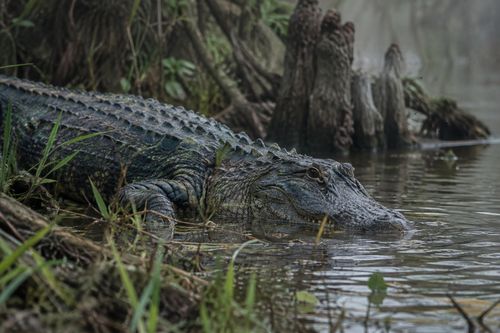
The Alligator Anatomy That Defies All Logic

One reptile's reproductive system works nothing like you'd guess. It stays hidden until the exact second it's needed....

Animal Facts

08 October 2026

Post

Petting a Dog Lowers Two Heart Rates at Once

A few minutes of petting changes something in both bodies at the same time....

Animal Facts

06 October 2026

Post

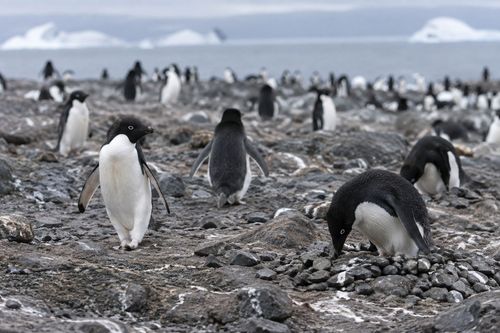
The Penguins Who Trade Favors for Pebbles

Some penguins strike unusual bargains during nesting season, and pebbles are at the center of it....

Animal Facts

06 October 2026

Post

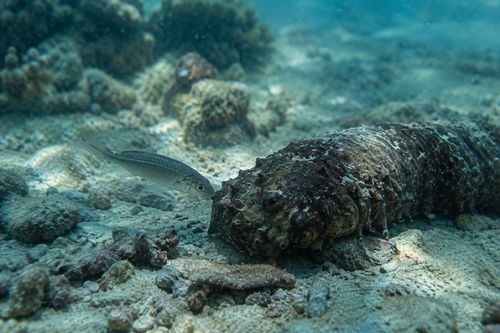
The Fish That Lives Inside a Sea Cucumber's Body

One tiny fish picked the strangest possible roommate in the entire ocean....

Animal Facts

05 October 2026

Post

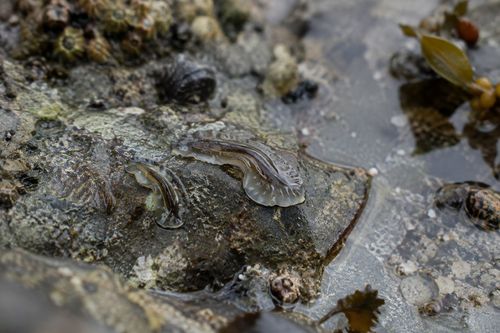
The Worm Duel That Ends in a Sperm Sword Fight

One tiny sea worm fights to avoid a role nobody wants in its own mating game....

Animal Facts

30 September 2026

Post

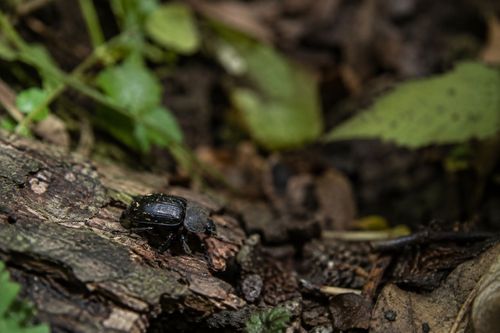
The Beetle That Farts Boiling Acid at Predators

One insect fights off attackers with a defense mechanism that sounds physically impossible....

Animal Facts

30 September 2026

Post

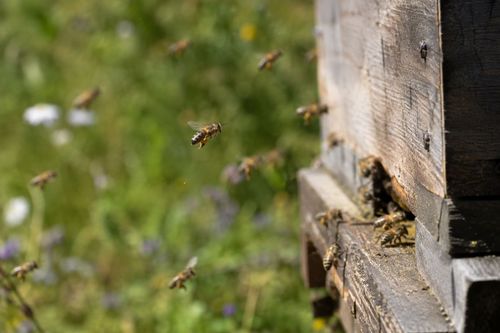
The Bee That Explodes at the Moment of Mating

One insect's love life ends in under five seconds. It's brutal, and it's real....

Animal Facts

27 September 2026

Post

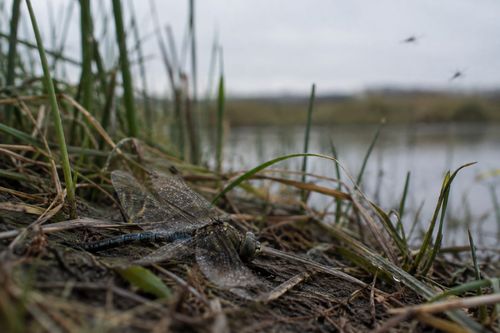
This Dragonfly Fakes Her Own Death to Get Some Peace

One flying insect has a bizarre trick for dodging unwanted attention mid-air....

Animal Facts

26 September 2026

Post

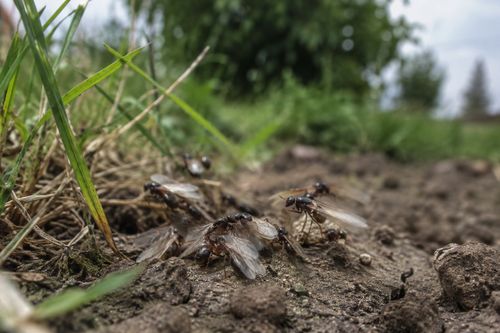
One Flight Decides an Ant Queen's Entire Life

One brief flight determines everything for an ant queen. What happens up there is wild....

Animal Facts

24 September 2026

Post

Corpses Can Still Get Goosebumps After Death

A muscle reflex most people assume stops at death actually lingers a bit longer than expected....

Animal Facts

23 September 2026

Post

The Sheep Study That Surprised Animal Scientists

One farm animal behavior study found something researchers didn't expect at all....

Animal Facts

20 September 2026

Post

Why Sloths Can't Actually Fart Like Other Mammals

Sloths are slow at everything, even this. The reason involves their gut, not their manners....

Animal Facts

17 September 2026

Post

Giraffe Courtship Involves a Very Odd Taste Test

Giraffe dating rituals get weird fast, and it starts with a headbutt to the stomach....

Animal Facts

15 September 2026

Post

Neanderthals and Mammoths Shared a Frozen Secret

Two Ice Age giants evolved the same survival trick without ever meaning to....
Terms and ConditionsDo Not Sell or Share My Personal InformationPrivacy PolicyPrivacy NoticeAccessibility NoticeUnsubscribe
Copyright © 2026 Fun Fact Feed