
Fun Facts

Recent Content

The History of the New Year's Baby vs Old Man Time

The History of the New Year's Baby vs Old Man Time

The New Year's Baby and Old Man Time mascots symbolize the year changing. Both were invented by political cartoonists in the 1800s to sell newspapers.

Read more
Why 80% of New Year's Resolutions Fail by February

Why 80% of New Year's Resolutions Fail by February

80% of New Year's resolutions fail by February. Brain science explains why we're biologically terrible at keeping them—and why January 1st makes it worse.

Read more
The First Ball Drop Almost Killed People

The First Ball Drop Almost Killed People

The 1907 Times Square ball was 700 pounds of iron and wood. It nearly fell during the first drop, almost killing the crowd below.

Read more
How January 1st Became New Year's Day

How January 1st Became New Year's Day

Julius Caesar picked January 1st as New Year's Day in 46 BC. Before that, the new year was March 1st—which is why our month names don't make sense.

Read more
Why Boxing Day Is Called Boxing Day

Why Boxing Day Is Called Boxing Day

Boxing Day started as the one day British servants got off after working Christmas. They received boxes of leftovers and tips from their employers.

Read more
See All Content
logo
  • Sports

  • History

  • Language

  • Food

  • Tech

  • Animals

  • Sports

  • History

  • Language

  • Food

  • Tech

  • Animals

  • ​
    ​

The World’s Oldest Recipe

The World’s Oldest Recipe

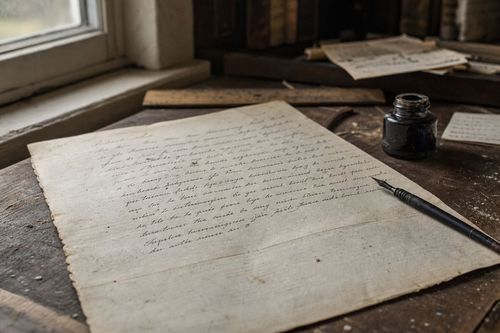
In the ruins of ancient Mesopotamia, archaeologists uncovered clay tablets with cuneiform inscriptions that include what is now considered the world’s oldest written recipe—a method for brewing beer, dating back over 4,000 years.

Created by the Sumerians, this recipe wasn't exactly your modern IPA. It described a fermented mash made from baked barley bread (called bappir), water, and wild yeast, left to bubble in large vats. Beer played a central role in Sumerian life—used in religious offerings, payments to workers, and everyday nourishment.

One famous tablet even praises Ninkasi, the goddess of beer, with a hymn that doubles as a brewing guide. While ingredients and tools have changed over millennia, the Sumerians' love of fermentation lives on in today’s global beer culture.


Related Content

Terms and ConditionsDo Not Sell or Share My Personal InformationPrivacy PolicyPrivacy NoticeAccessibility NoticeUnsubscribe
Copyright © 2025 Fun Fact Feed