Fun Facts

Recent Content

The History of the New Year's Baby vs Old Man Time

The History of the New Year's Baby vs Old Man Time

The New Year's Baby and Old Man Time mascots symbolize the year changing. Both were invented by political cartoonists in the 1800s to sell newspapers.

Read more
Why 80% of New Year's Resolutions Fail by February

Why 80% of New Year's Resolutions Fail by February

80% of New Year's resolutions fail by February. Brain science explains why we're biologically terrible at keeping them—and why January 1st makes it worse.

Read more
The First Ball Drop Almost Killed People

The First Ball Drop Almost Killed People

The 1907 Times Square ball was 700 pounds of iron and wood. It nearly fell during the first drop, almost killing the crowd below.

Read more
How January 1st Became New Year's Day

How January 1st Became New Year's Day

Julius Caesar picked January 1st as New Year's Day in 46 BC. Before that, the new year was March 1st—which is why our month names don't make sense.

Read more
Why Boxing Day Is Called Boxing Day

Why Boxing Day Is Called Boxing Day

Boxing Day started as the one day British servants got off after working Christmas. They received boxes of leftovers and tips from their employers.

Read more
See All Content
logo
  • Sports

  • History

  • Language

  • Food

  • Tech

  • Animals

  • Sports

  • History

  • Language

  • Food

  • Tech

  • Animals

  • ​
    ​

The World's Most Expensive Coffee Comes From...Animal Poop?

The World's Most Expensive Coffee Comes From...Animal Poop?

If you've ever complained about the price of your morning latte, consider this: Kopi Luwak, the world's most expensive coffee, can cost up to$600 per pound or $100 for a single cup! But what makes this Indonesian coffee so valuable isn't just rarity—it's the unconventional production method.

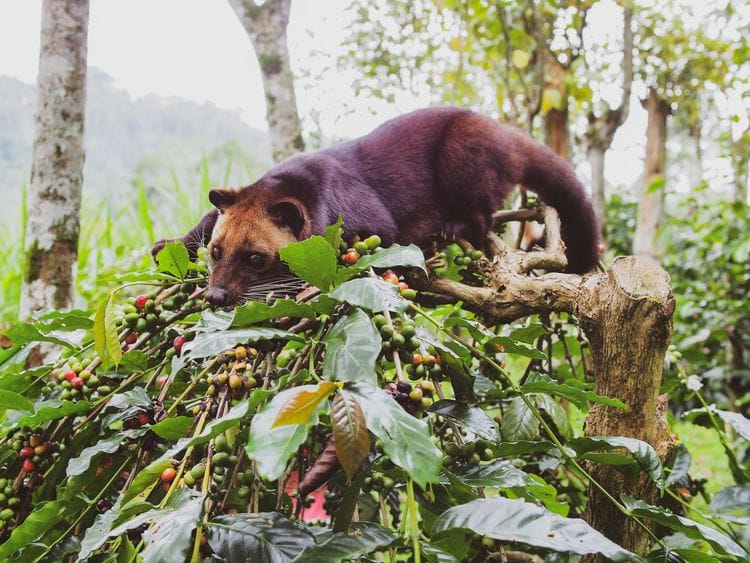
Kopi Luwak is made from coffee cherries that have been eaten anddigested by Asian palm civets, small cat-like mammals native to Southeast Asia. The civets select only the ripest coffee cherries, and their digestive enzymes modify the beans' proteins, creating a uniquely smooth, less acidic brew with caramel-like flavors.

After the civets excrete the beans, farmers collect, wash, and roast them. Traditional production involves wild civets naturally selecting the best cherries, though sadly, the coffee's popularity has led to controversial captive civet farms. For coffee connoisseurs seeking the authentic experience, ethical suppliers track wild civets and collect beans naturally—making each cup both extremely rare and a truly unusual luxury!


Related Content

Terms and ConditionsDo Not Sell or Share My Personal InformationPrivacy PolicyPrivacy NoticeAccessibility NoticeUnsubscribe
Copyright © 2026 Fun Fact Feed