Animal Facts

Trending Now

The Bank Vault Stuffed With Aging Cheese Wheels

The Bank Vault Stuffed With Aging Cheese Wheels

One Italian bank holds a collateral that ages, molds, and grows tastier by the month.

Read more
The 1957 Ad Stunt That Fooled a Nation

The 1957 Ad Stunt That Fooled a Nation

One man claimed he could control shoppers' minds. The truth took years to surface.

Read more
The Queen's Secret Royal Body Double, Revealed

The Queen's Secret Royal Body Double, Revealed

One of these Queen Elizabeth stand-in claims actually happened, the other is completely made up. Find out which one is true.

Read more
The Surgical Tool That Was Never Meant for Wood

The Surgical Tool That Was Never Meant for Wood

A tool now used to fell trees started in a place you'd never expect: the delivery room.

Read more
An AI Invented a Language Humans Couldn't Read

An AI Invented a Language Humans Couldn't Read

Researchers gave two AIs a task. What they started doing next got shut down fast.

Read more
See All Content
logo
  • Sports

  • History

  • Language

  • Food

  • Tech

  • Animals

  • Sports
  • History
  • Language
  • Food
  • Tech
  • Animals
  • ​

The Most Alien Circulatory System on Earth

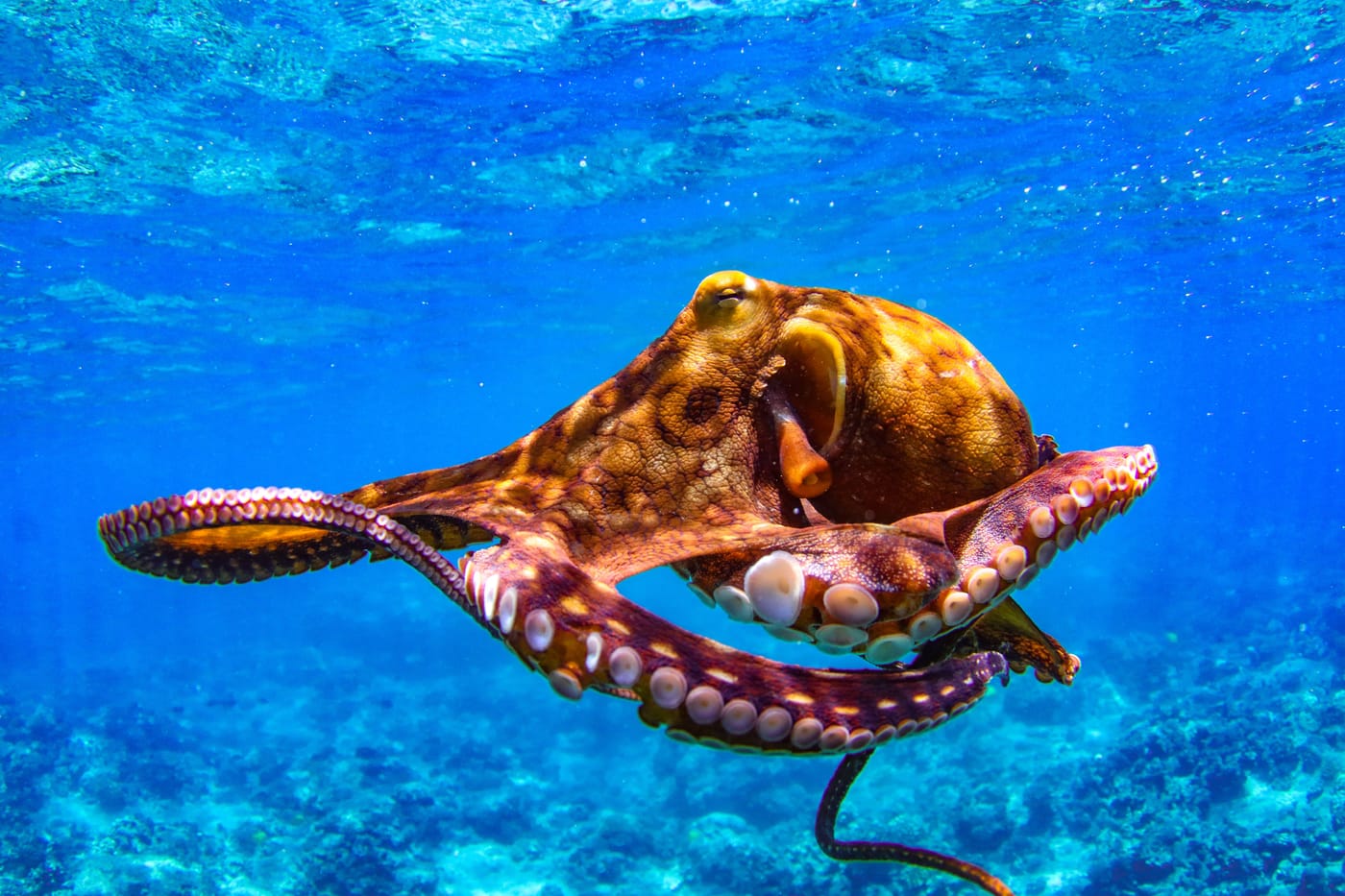
Octopus underwater

Octopuses have three hearts and blue blood — two facts most people have encountered at some point. What tends to get left out is the part where one of those hearts stops working every time the octopus tries to swim. That detail changes the picture considerably, and it explains something you'd notice immediately if you ever watched an octopus move.

The three hearts divide labor in a specific way. Two of them — called branchial hearts — sit at the base of the octopus's gills and are dedicated entirely to pushing blood through gill tissue, where it picks up oxygen from the surrounding water. The third — the systemic heart — takes that freshly oxygenated blood and pumps it out to the rest of the body: the arms, the organs, the brain. It's the systemic heart that keeps the whole animal alive and functioning. And it's the systemic heart that stops beating when the octopus swims.

The mechanism is mechanical rather than neurological. When an octopus needs to move quickly — escaping a predator, typically — it uses jet propulsion, drawing water into its mantle cavity and blasting it out through a muscular siphon. The powerful contractions required to generate that jet physically compress the area around the systemic heart, preventing it from pumping. A 1987 study in the Journal of Experimental Biology confirmed it directly: the systemic heart arrests completely during jetting. The two branchial hearts keep running, but the main circulatory pump stops.

The consequence is immediate and significant. During sustained swimming, the octopus's organs and muscles are temporarily cut off from freshly oxygenated blood. The animal can sustain this for a short burst — long enough to escape — but it exhausts quickly, and it needs time to recover once it stops. This is why, given any choice in the matter, an octopus crawls. Crawling doesn't trigger the same cardiac arrest. Moving along the seafloor on eight arms is far more sustainable than jetting, even if it's considerably slower.

The blue blood is connected to the same underlying problem. Where human blood uses iron-based hemoglobin to carry oxygen, octopus blood uses hemocyanin — a copper-based protein that turns blue when oxygenated. Hemocyanin is less efficient than hemoglobin at carrying oxygen under normal conditions, which is part of why octopuses needed a more elaborate pumping system in the first place. The two dedicated gill hearts exist partly to compensate for the lower oxygen-carrying capacity of their blood, ensuring it moves through the gills slowly enough and under enough pressure to pick up adequate oxygen despite the inefficiency.

Hemocyanin does have one advantage: it performs better than hemoglobin in cold, low-oxygen environments. In the deep, cold water where many octopus species live, blue blood is actually better suited to the conditions than red blood would be. The three-heart system, strange as it looks from the outside, is a functional solution to a specific set of environmental and physiological constraints — not a design flaw, but an adaptation to a particular way of living.

One detail that researchers have noted in passing: a male octopus introduced to a female in a tank showed his systemic heart skipping beats as she approached. The same cardiac arrest mechanism that gets triggered by swimming, it turns out, can also apparently be triggered by something that looks a lot like excitement. Which, depending on how you feel about octopuses, is either endearing or deeply unsettling.

Three hearts, blue blood, and a circulatory system that breaks down under the physical stress of escape. The octopus is, as one cephalopod researcher famously put it, effectively an alien — and its cardiovascular system is one of the better pieces of evidence for that argument.
Related Content

Animal Facts

30 September 2026

Post

The Beetle That Farts Boiling Acid at Predators

One insect fights off attackers with a defense mechanism that sounds physically impossible....

Animal Facts

30 September 2026

Post

The Bee That Explodes at the Moment of Mating

One insect's love life ends in under five seconds. It's brutal, and it's real....

Animal Facts

27 September 2026

Post

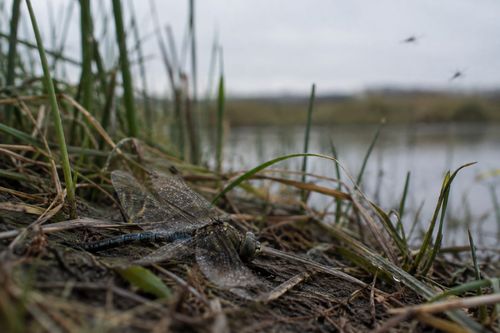
This Dragonfly Fakes Her Own Death to Get Some Peace

One flying insect has a bizarre trick for dodging unwanted attention mid-air....

Animal Facts

26 September 2026

Post

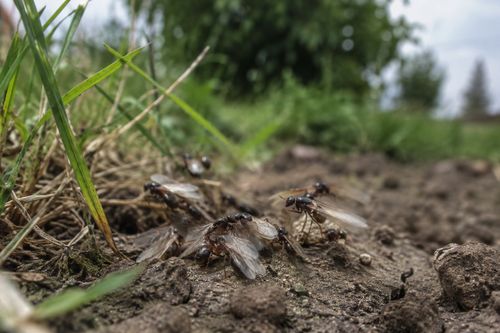
One Flight Decides an Ant Queen's Entire Life

One brief flight determines everything for an ant queen. What happens up there is wild....

Animal Facts

24 September 2026

Post

Corpses Can Still Get Goosebumps After Death

A muscle reflex most people assume stops at death actually lingers a bit longer than expected....

Animal Facts

23 September 2026

Post

The Sheep Study That Surprised Animal Scientists

One farm animal behavior study found something researchers didn't expect at all....

Animal Facts

20 September 2026

Post

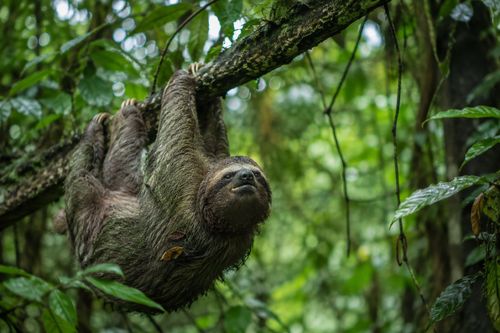
Why Sloths Can't Actually Fart Like Other Mammals

Sloths are slow at everything, even this. The reason involves their gut, not their manners....

Animal Facts

17 September 2026

Post

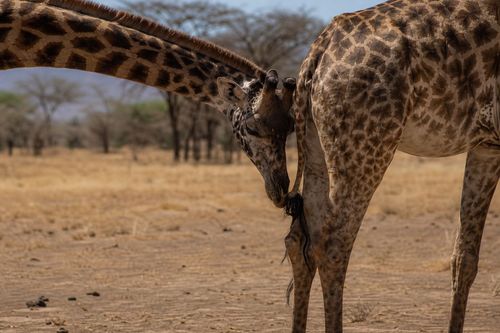
Giraffe Courtship Involves a Very Odd Taste Test

Giraffe dating rituals get weird fast, and it starts with a headbutt to the stomach....

Animal Facts

15 September 2026

Post

Neanderthals and Mammoths Shared a Frozen Secret

Two Ice Age giants evolved the same survival trick without ever meaning to....

Animal Facts

14 September 2026

Post

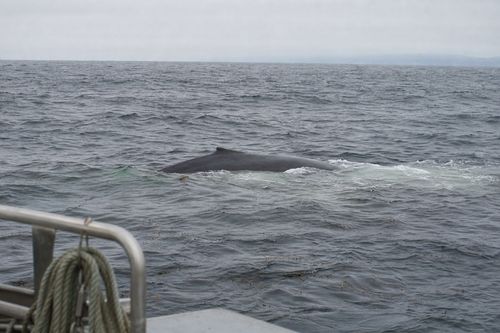
Whale Pee Might Be Holding the Ocean Together

One whale bodily function quietly powers ocean life across entire hemispheres....

Animal Facts

13 September 2026

Post

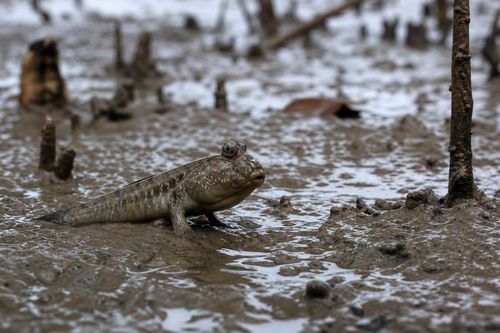
The Fish That Walks Better Than It Swims

One fish spends most of its life out of water, walking across mudflats on its fins....

Animal Facts

12 September 2026

Post

The Calorie Burn Hidden in a Simple Head Nod

Scientists actually measured this everyday motion and the number surprised everyone....

Animal Facts

12 September 2026

Post

Dogs Mourn Each Other Longer Than You'd Guess

When a canine companion dies, the surviving dog's behavior shifts in ways researchers didn't expect....

Animal Facts

11 September 2026

Post

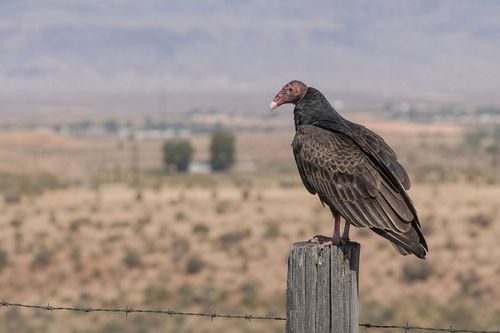
The Vulture That Cools Off With Its Own Waste

One bird's bathroom habit is actually a brilliant survival hack in disguise....

Animal Facts

10 September 2026

Post

A Whale's Gas Bubble Can Outsize a Sedan

One whale bodily function creates a bubble bigger than most parked cars....
Terms and ConditionsDo Not Sell or Share My Personal InformationPrivacy PolicyPrivacy NoticeAccessibility NoticeUnsubscribe
Copyright © 2026 Fun Fact Feed