History Facts

Recent Content

The History of the New Year's Baby vs Old Man Time

The History of the New Year's Baby vs Old Man Time

The New Year's Baby and Old Man Time mascots symbolize the year changing. Both were invented by political cartoonists in the 1800s to sell newspapers.

Read more
Why 80% of New Year's Resolutions Fail by February

Why 80% of New Year's Resolutions Fail by February

80% of New Year's resolutions fail by February. Brain science explains why we're biologically terrible at keeping them—and why January 1st makes it worse.

Read more
The First Ball Drop Almost Killed People

The First Ball Drop Almost Killed People

The 1907 Times Square ball was 700 pounds of iron and wood. It nearly fell during the first drop, almost killing the crowd below.

Read more
How January 1st Became New Year's Day

How January 1st Became New Year's Day

Julius Caesar picked January 1st as New Year's Day in 46 BC. Before that, the new year was March 1st—which is why our month names don't make sense.

Read more
Why Boxing Day Is Called Boxing Day

Why Boxing Day Is Called Boxing Day

Boxing Day started as the one day British servants got off after working Christmas. They received boxes of leftovers and tips from their employers.

Read more
See All Content
logo
  • Sports

  • History

  • Language

  • Food

  • Tech

  • Animals

  • Sports

  • History

  • Language

  • Food

  • Tech

  • Animals

  • ​
    ​

The History of Knitting—Loops Through Time

The History of Knitting—Loops Through Time

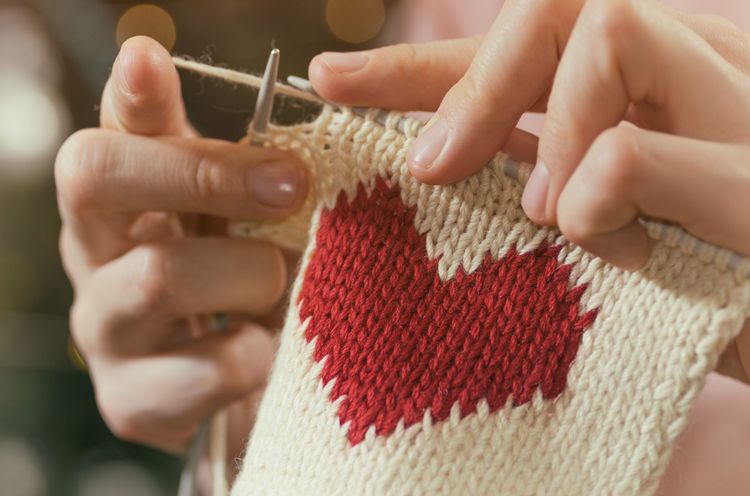
Knitting, now often associated with cozy sweaters and handmade gifts, has ancient and worldwide origins. While no one knows exactly where it began, the oldest known knitted items date back to around 1000 CE in Egypt. These intricate socks used complex techniques and fine cotton thread—proof that knitting was already an art form.

Unlike weaving, which requires a loom, knitting can be done with just two needles and yarn. That simplicity helped it spread across cultures, especially in colder regions where wool garments were essential for survival. By the 14th century, knitting guilds in Europe were producing fine woolens for royalty, and during wartime, people were encouraged to knit socks and scarves for soldiers.

Today, knitting has experienced a modern revival as both a practical craft and a relaxing pastime. It’s a beautiful example of how something so humble can tie generations—and cultures—together.
Related Content

Terms and ConditionsDo Not Sell or Share My Personal InformationPrivacy PolicyPrivacy NoticeAccessibility NoticeUnsubscribe
Copyright © 2025 Fun Fact Feed