
History Facts

Recent Content

Why 80% of New Year's Resolutions Fail by February

Why 80% of New Year's Resolutions Fail by February

80% of New Year's resolutions fail by February. Brain science explains why we're biologically terrible at keeping them—and why January 1st makes it worse.

Read more
The First Ball Drop Almost Killed People

The First Ball Drop Almost Killed People

The 1907 Times Square ball was 700 pounds of iron and wood. It nearly fell during the first drop, almost killing the crowd below.

Read more
How January 1st Became New Year's Day

How January 1st Became New Year's Day

Julius Caesar picked January 1st as New Year's Day in 46 BC. Before that, the new year was March 1st—which is why our month names don't make sense.

Read more
Why Boxing Day Is Called Boxing Day

Why Boxing Day Is Called Boxing Day

Boxing Day started as the one day British servants got off after working Christmas. They received boxes of leftovers and tips from their employers.

Read more
Christmas Trees Started as Pagan Worship of Odin

Christmas Trees Started as Pagan Worship of Odin

Decorating evergreen trees at winter originated with Germanic tribes honoring Odin.

Read more
See All Content
logo
  • Sports

  • History

  • Language

  • Food

  • Tech

  • Animals

  • Sports

  • History

  • Language

  • Food

  • Tech

  • Animals

  • ​
    ​

The History of the Color Green in Fashion

The History of the Color Green in Fashion

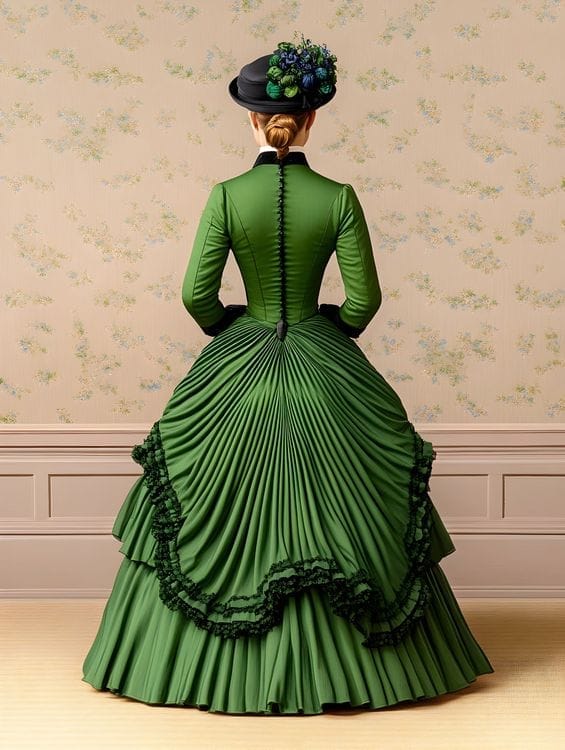
In the 1800s, emerald green became the height of fashion. It was vibrant, eye-catching, and found in dresses, wallpaper, and even artificial flowers. But this beautiful hue had a deadly secret—it was made using arsenic.

Known as “Scheele’s Green” and later “Paris Green,” the pigment contained copper arsenite, a toxic compound. Prolonged exposure could cause ulcers, respiratory problems, and even death. Factory workers making the pigment, and wearers of green garments, unknowingly suffered horrifying symptoms.

Despite growing concerns, the color remained popular for decades. It wasn’t until well into the late 19th century that safer dyes replaced these poisonous pigments. Today, it serves as a chilling reminder that sometimes, beauty comes with a dangerous price.


Related Content

Terms and ConditionsDo Not Sell or Share My Personal InformationPrivacy PolicyPrivacy NoticeAccessibility NoticeUnsubscribe
Copyright © 2025 Fun Fact Feed