Fun Facts

Recent Content

The History of the New Year's Baby vs Old Man Time

The History of the New Year's Baby vs Old Man Time

The New Year's Baby and Old Man Time mascots symbolize the year changing. Both were invented by political cartoonists in the 1800s to sell newspapers.

Read more
Why 80% of New Year's Resolutions Fail by February

Why 80% of New Year's Resolutions Fail by February

80% of New Year's resolutions fail by February. Brain science explains why we're biologically terrible at keeping them—and why January 1st makes it worse.

Read more
The First Ball Drop Almost Killed People

The First Ball Drop Almost Killed People

The 1907 Times Square ball was 700 pounds of iron and wood. It nearly fell during the first drop, almost killing the crowd below.

Read more
How January 1st Became New Year's Day

How January 1st Became New Year's Day

Julius Caesar picked January 1st as New Year's Day in 46 BC. Before that, the new year was March 1st—which is why our month names don't make sense.

Read more
Why Boxing Day Is Called Boxing Day

Why Boxing Day Is Called Boxing Day

Boxing Day started as the one day British servants got off after working Christmas. They received boxes of leftovers and tips from their employers.

Read more
See All Content
logo
  • Sports

  • History

  • Language

  • Food

  • Tech

  • Animals

  • Sports

  • History

  • Language

  • Food

  • Tech

  • Animals

  • ​
    ​

The Floating Forests of Lake Superior

The Floating Forests of Lake Superior

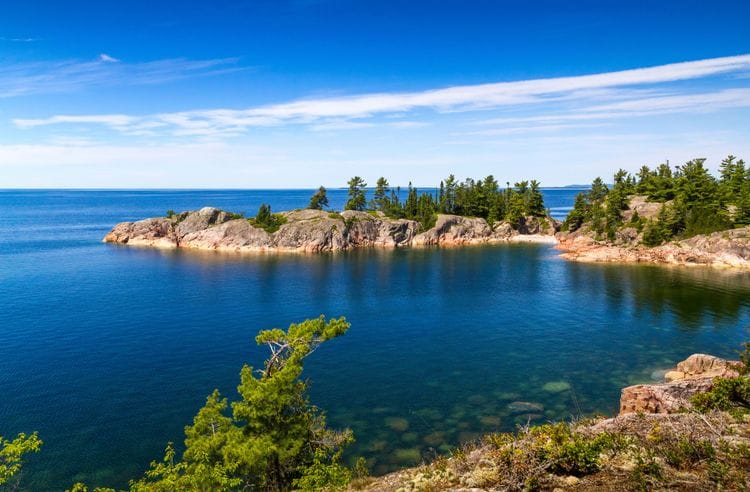
Beneath the chilly waters of Lake Superior lies a remarkable discovery: perfectly preserved ancient forestsdating back over 8,000 years. Unlike typical sunken logs that decompose quickly, these submerged trees remain intact thanks to Lake Superior's unique conditions.

The combination of the lake's frigid temperatures, low oxygen levels, and lack of bacteria creates a natural preservation chamber. Some recovered logs are so well-preserved that they still smell like fresh-cut wood when brought to the surface!

These underwater timber stands are remnants of forests that thrived during the last ice age when water levels were much lower. When lake levels rose, the trees were submerged and sealed in their watery time capsule. Today, these prehistoric trees provide scientists with valuable data about ancient climates and ecosystems—literal windows into North America's distant past.


Related Content

Terms and ConditionsDo Not Sell or Share My Personal InformationPrivacy PolicyPrivacy NoticeAccessibility NoticeUnsubscribe
Copyright © 2026 Fun Fact Feed