Fun Facts

Trending Now

The Colony That Outlawed Christmas

The Colony That Outlawed Christmas

One of these claims about a colonial-era Christmas crackdown is true, and one is completely made up. Can you guess which one really happened?

Read more
The Boss's Computer Built Cyber Monday

The Boss's Computer Built Cyber Monday

In 2005, a shopping holiday leaned on one workplace perk. Guess which.

Read more
The Year Thanksgiving Split the Country

The Year Thanksgiving Split the Country

One of these claims about a presidential Thanksgiving feud is true, and one isn't. Can you guess which story really happened?

Read more
The Sled Test That Gave Pessimism Its Name

The Sled Test That Gave Pessimism Its Name

A famous saying about things going wrong began in a desert lab. The story is messier than you'd guess.

Read more
The White House Thanksgiving Raccoon Story

The White House Thanksgiving Raccoon Story

One of these claims about a Thanksgiving gift to a president's family is true, and one is made up. Can you guess which one really happened?

Read more
See All Content
logo
  • Sports

  • History

  • Language

  • Food

  • Tech

  • Animals

  • Sports
  • History
  • Language
  • Food
  • Tech
  • Animals
  • ​

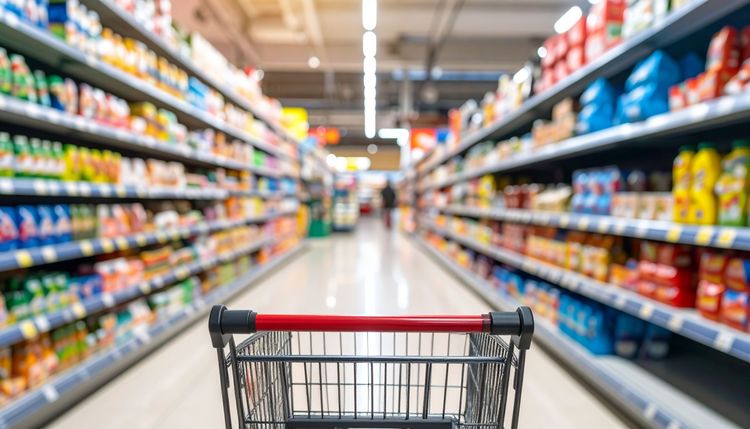
Why Poor Neighborhoods Pay More for the Same Groceries

Why Poor Neighborhoods Pay More for the Same Groceries

The same box of cereal that costs $3.99 in a wealthy suburb can cost $5.49 just a few miles away in a low-income neighborhood—and this price discrimination is happening in grocery stores across America every single day.

Research consistently shows that residents in poorer areas pay significantly more for identical products, creating a cruel economic penalty for those who can least afford it. This pricing disparity exists because low-income inner city and rural neighborhoods typically have fewer grocery stores, less competition, and smaller inventory volumes that reduce buying power with suppliers.

Studies in cities like Boston found dramatic price differences between the same grocery chain's locations—with stores in working-class areas charging up to 20% more for basic necessities like milk, bread, and fresh produce. The phenomenon creates "food deserts" where families must choose between traveling long distances to find affordable groceries or paying inflated prices close to home.

The economics behind this inequality are staggering. Low-income neighborhoods often have only one or two grocery options within reasonable distance, allowing those stores to charge premium prices without fear of losing customers. Meanwhile, wealthy areas might have five or six competing grocery stores within the same radius, driving prices down through competition.

Store owners in poorer areas also face higher insurance costs and lower sales volumes per square foot, which they pass directly onto consumers through inflated prices.

This systematic pricing inequality means that being poor literally costs more money, trapping families in cycles where their limited dollars buy less food. A family spending $100 per week on groceries in a low-income area might get 15-25% less food than the same $100 would buy in an affluent neighborhood.

The cruel irony is that the people who most need to stretch their food budgets are forced to pay the highest prices, while wealthy families enjoy both higher incomes and lower grocery costs, widening the gap between economic classes with every shopping trip.
Related Content

History Facts

Fun Facts

10 November 2026

Post

A Hostage Waits at the Palace Whenever the King Visits

Every year, a politician is held at a palace so the monarch comes home safe. Here's why....
Read More

History Facts

Fun Facts

10 November 2026

Post

The Strange Story of Gunpowder and Pigeon Droppings

One of these claims about England's old gunpowder-and-pigeon-dung business is true, and one isn't. Can you guess which one really happened?...
Read More

History Facts

Fun Facts

10 November 2026

Post

Viagra Facts: A Heart Drug, Blue Vision and Hamsters

Why Viagra began as a heart drug, how it can tint your vision blue and why the FAA cares, and the hamster jet lag study that won an Ig Nobel Prize....
Read More

History Facts

Fun Facts

09 November 2026

Post

Cannibalism: 3 True Stories You Won't Believe

Which state bans cannibalism, why the CDC warned about placenta pills, and how a tribe's funeral ritual may have left a gene that fights brain disease....
Read More

History Facts

Fun Facts

09 November 2026

Post

The Laughing Sickness That Shut Down Schools

In 1962, three schoolgirls started laughing and a whole region couldn't stop. Nobody was joking....
Read More

History Facts

Fun Facts

09 November 2026

Post

The Surprising Origin of the Movie Trailer

One of these claims about the first movie trailer is true, and one is completely made up. Can you guess which one really happened?...
Read More

Language Facts

Fun Facts

08 November 2026

Post

Your Latte Art Is Named After a Monk's Hood

A Sunday coffee order shares its name with a monk's wardrobe and a monkey. Here's the link....
Read More

Tech Facts

Fun Facts

08 November 2026

Post

How NASA Sends Tools to Astronauts in Orbit

One of these claims about NASA and tools for astronauts is true, and one is completely made up. Can you guess which one really happened?...
Read More

History Facts

Fun Facts

08 November 2026

Post

Tattoos: The Iceman, Ink in Your Nodes (+1 More)

Ötzi's 5,300-year-old tattoos, where your tattoo ink really travels in your body, and the company that frames a dead loved one's actual tattooed skin....
Read More

History Facts

Fun Facts

07 November 2026

Post

The Taboo Word That Broke Through Ad Breaks

One of these claims about a taboo word in a 1980s TV commercial is true, and one is completely made up. Can you guess which one really happened?...
Read More

Sports Facts

Fun Facts

07 November 2026

Post

Why a Marathon Is Exactly 26.2 Miles Long

The odd number behind every marathon traces back to one summer day in London. Here's how it happened....
Read More

History Facts

Fun Facts

07 November 2026

Post

Starbucks Secrets: Pequod, the CIA and Fecal Ice

The Moby-Dick name Starbucks almost used, the secret store inside CIA headquarters and the 2017 UK investigation that found fecal bacteria in coffee shop ice....
Read More

History Facts

Fun Facts

06 November 2026

Post

Lobotomies: 3 True Stories That Sound Made Up

How lobotomies won a Nobel Prize, why a 12-year-old was operated on for being a kid, and the secret Kennedy family surgery that was hidden for decades....
Read More

Food

Fun Facts

06 November 2026

Post

The Curious Case of How Spam Got Its Name

One of these claims about how Spam got its name is true, and one is completely made up. Can you guess which one really happened?...
Read More

Language Facts

Fun Facts

06 November 2026

Post

A Frustrated Author, a Word List, and a Hat

A famous children's book began as a publisher's headache. The author hated the assignment....
Read More
Terms and ConditionsDo Not Sell or Share My Personal InformationPrivacy PolicyPrivacy NoticeAccessibility NoticeUnsubscribe
Copyright © 2026 Fun Fact Feed