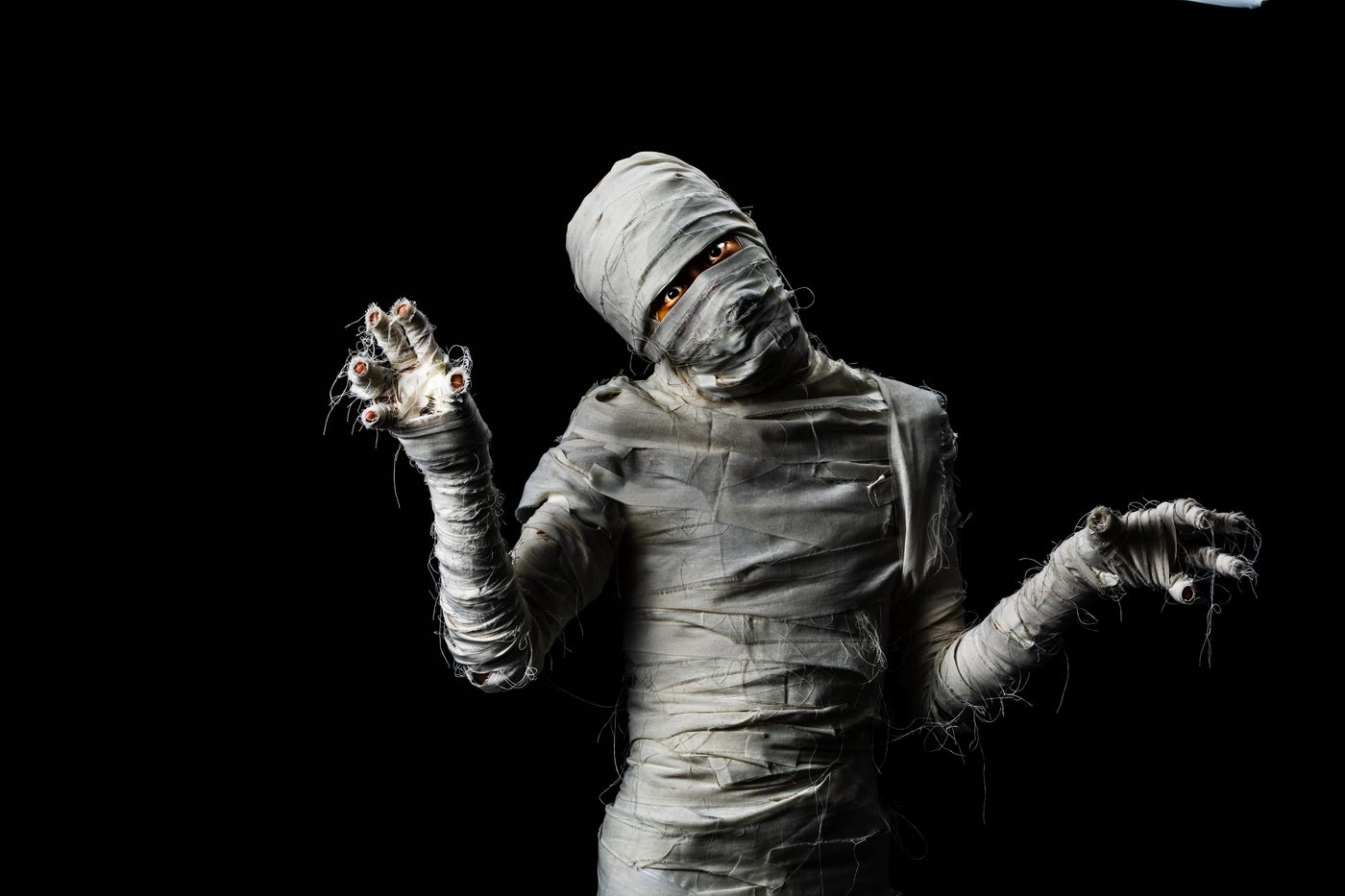
Mummies were built to last forever. What people did with them after they were dug up is another story. Here are three mummy facts that sound made up, and every single one of them is true.
1. Why Europeans ate mummies
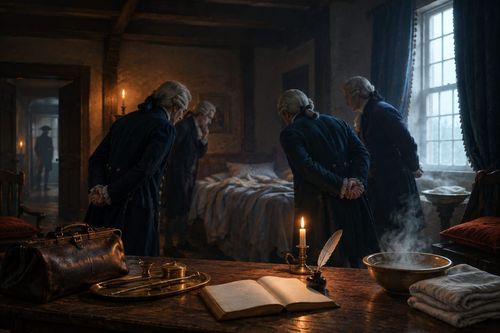
For centuries, mummies were medicine. From around the 12th century, apothecaries in Europe sold ground-up mummy, called mumia, and doctors prescribed it for the next 500 years. It was taken for everything from headaches to heart attacks.
It started with a mistranslation. Mumia originally meant a kind of bitumen, a tar-like substance prized as medicine. Medieval translators wrongly tied it to embalmed bodies, some of which were coated in a similar dark resin, and Europe went looking for mummies to grind up.
Demand outran supply. When real mummies ran short, some apothecaries used fresh human remains instead, and a royal doctor reported seeing fake mummies made from dead peasants in Alexandria in 1564. Since doctors claimed mumia came from pharaohs, the wealthy treated it as a royal remedy: royalty eating royalty.
2. The paintings made with real mummies
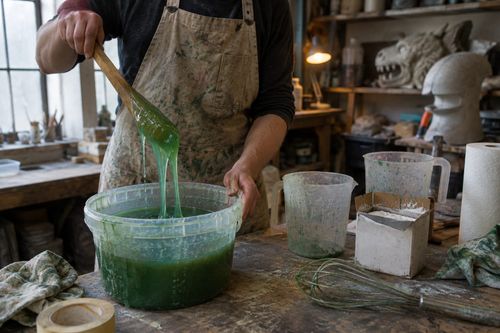
Mummies ended up on canvas too. A paint color called Mummy Brown was made by grinding mummies into powder and mixing it with myrrh and white pitch. Artists prized it for its rich, transparent tone.
Painters including Eugène Delacroix, Edward Burne-Jones and Lawrence Alma-Tadema are thought to have used it. Burne-Jones assumed the name only described a shade of brown. When a friend told him he'd seen a real mummy waiting to be ground into paint, Burne-Jones rushed to his studio and gave his tube a funeral in the garden.
The paint outlived him by decades. Production ended in the 1960s, reportedly because the manufacturer ran out of mummies. Animals weren't spared either: according to news reports at the time, about 180,000 mummified cats were auctioned in Liverpool in 1890 and ground into fertilizer.
3. The monks who mummified themselves alive
Between 1081 and 1903, at least 17 Buddhist monks in northern Japan turned their own bodies into mummies, a practice known as sokushinbutsu.
It took years. Monks cut their diet down until they ate only pine needles and bark for a thousand days or more, stripping away the fat and moisture that make a body decay. Some drank tea made from the toxic sap of the urushi tree, the same sap used for Japanese lacquer, which made their bodies even less appealing to insects.
The final step was the most extreme. The monk was buried alive in a box with a bamboo tube for air, meditating in total darkness and ringing a bell each day to show he was still alive. Years later, the tomb was opened to see whether the body had been preserved, and some of these monks are still on display in Japanese temples today.